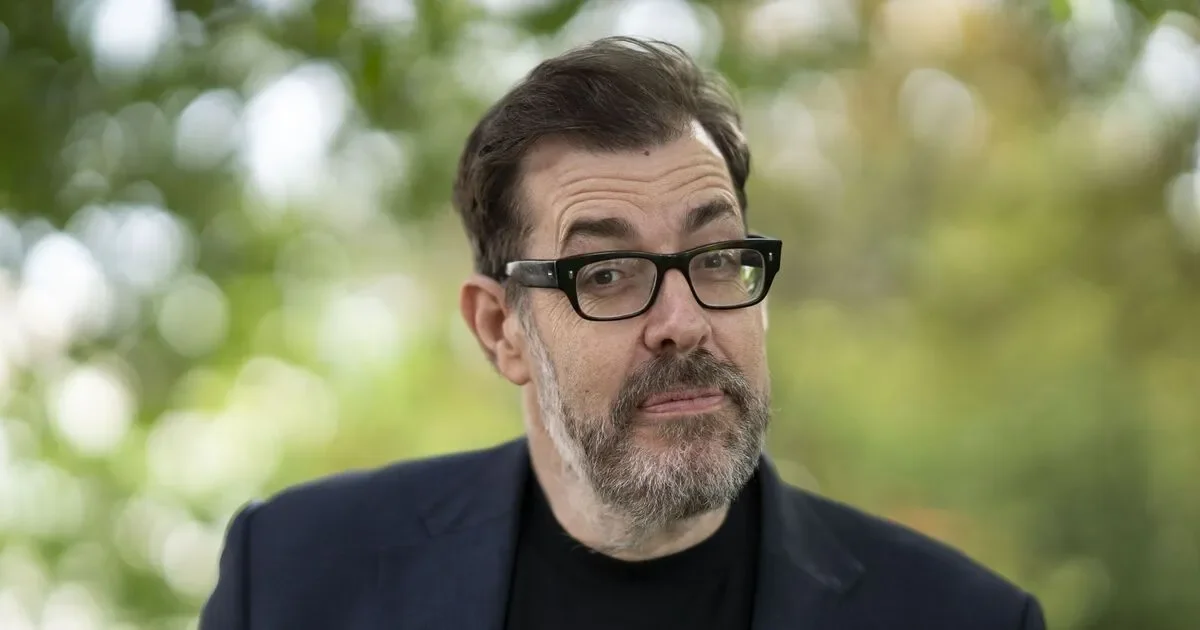
Richard Osman has publicly denounced television producers from the early 2000s, dismissing their justifications for ethically questionable elements in reality programming. Osman, speaking on 'The Rest Is Entertainment' podcast with Marina Hyde, argued that these producers "knew what right and wrong was" during that period, despite claims that societal norms were simply "different then."

Osman's critique comes in the wake of a renewed focus on the problematic aspects of reality television, particularly following Netflix's recent three-part docuseries on 'America's Next Top Model'. He stated, "I think back to rooms that I had been in, and everything I hear from those producers' mouths, I'm like no, absolutely no way, no one was thinking, I'm sure this is okay." Osman, who has a history in television production himself, indicated that the widespread public backlash these shows received was not a result of producers being genuinely unaware of wrongdoing, but rather a wilful oversight for entertainment value.
Read More: The Plot Against America Miniseries Discussed in April 2026

Producers' 'Different Times' Argument Falters
The notion that "things were very different then" is a common refrain from producers of that era when confronted with past controversies. Osman, however, directly refutes this defence, stating emphatically, "I was there then, and things were not that different then." His comments underscore a growing sentiment that ethical boundaries were indeed recognised, even if deliberately ignored, during the formative years of reality television.
A Legacy Reckoning
The re-examination of shows like 'America's Next Top Model' has shifted public perception from viewing them as harmless entertainment to recognising their potentially troubling underpinnings. Osman's intervention suggests a deeper ethical introspection is required within the industry, questioning whether past transgressions were due to ignorance or a calculated disregard for viewer well-being in pursuit of ratings.
Background:
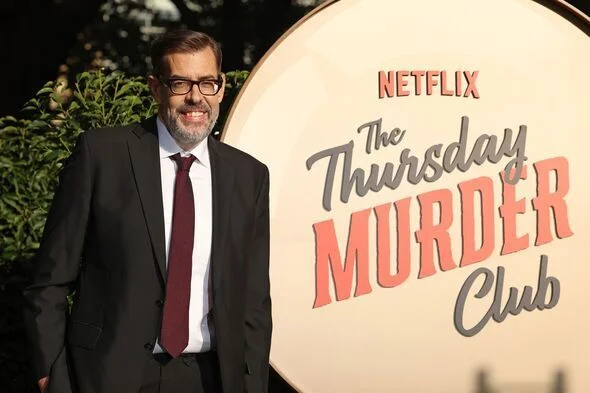
Richard Osman is a well-known British television presenter, producer, and writer. He is recognized for his role as a co-presenter on the BBC Two quiz show 'Pointless' and has also had a career in production, including work on shows like 'Have I Got News for You'. More recently, Osman has achieved significant success as an author with his 'Thursday Murder Club' series of crime novels. His remarks on producer accountability stem from his observations of the television industry during the period in question, particularly as documentaries revisit the making of influential, and at times controversial, reality programmes.
Read More: How AI ethics evaluations change software design on April 7 2026