The televised help machine operated by Phil McGraw faces new scrutiny regarding the physical and fiscal treatment of the people it puts on screen. Testimony from the E! docuseries Dirty Rotten Scandals alleges a system where the "cure" was secondary to the spectacle. Key claims involve:
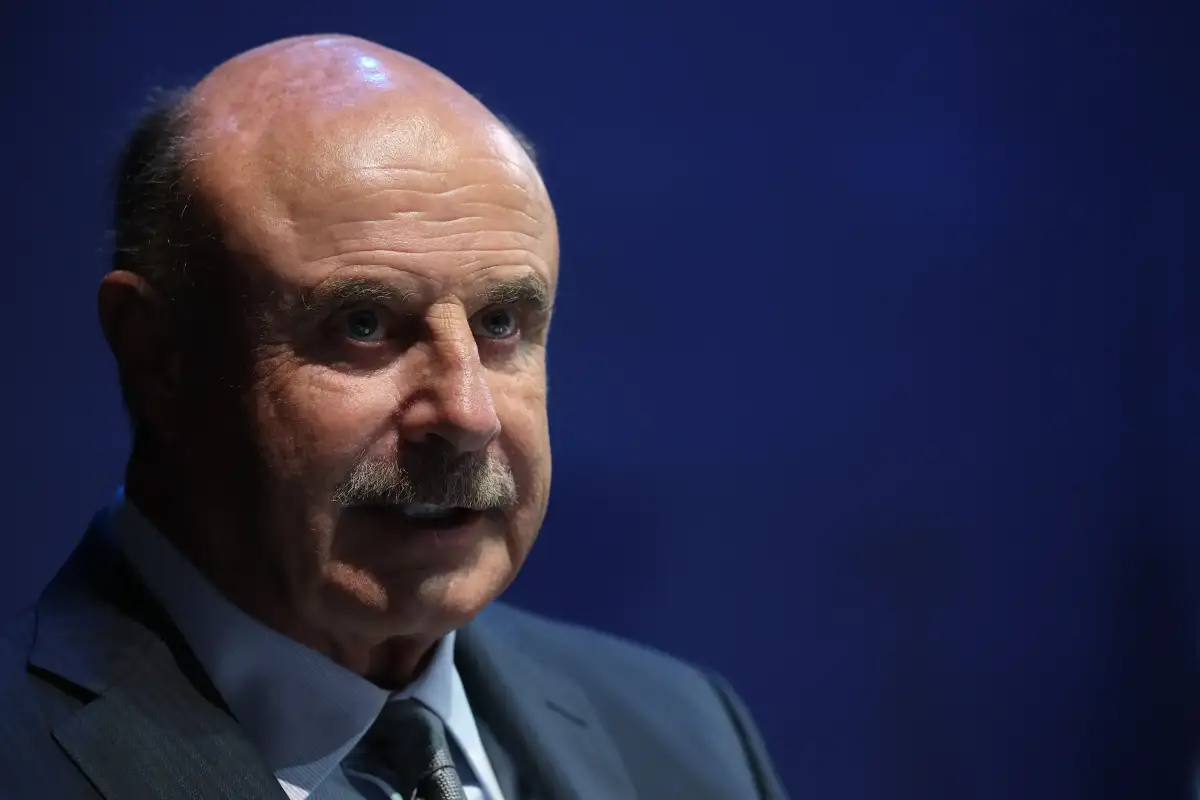
Todd Herzog, a former Survivor winner, alleging the production left a bottle of vodka in his dressing room before he went on stage for alcohol addiction treatment.
Staffers claiming guests were set up to fail to ensure high-tension television.
Investigative reports by Evan Allen (Boston Globe) suggesting financial ties between the show and the recovery centers it recommended to guests.
The Production of Panic
Former employees and guests describe the backstage of The Dr. Phil Show not as a clinic, but as a factory for high-stakes drama. Jack Mendoza, who worked production from 2003 to 2007, described a climate of fear. He noted that McGraw was an "intimidating" presence and claimed workers lived in fear of being "screamed at" by the host.
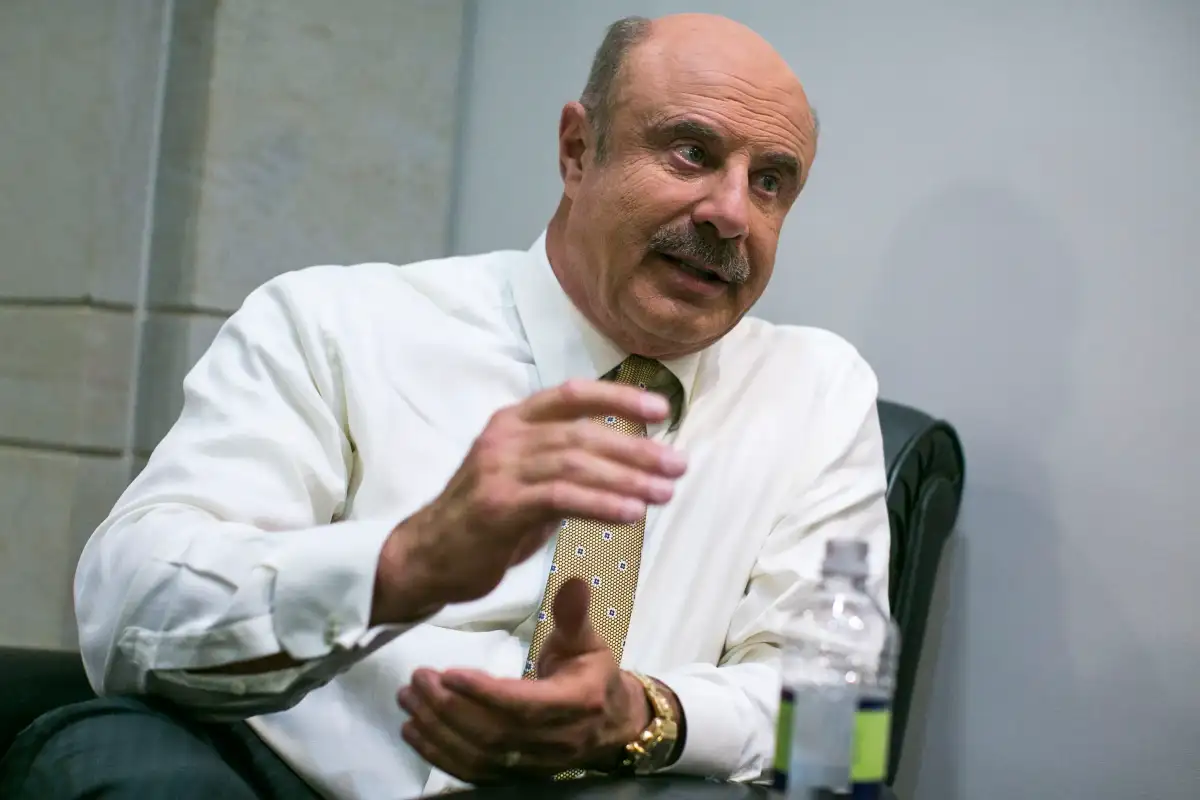
"The guests don’t realize how personal they are going to get and how bad it makes them look. Most of the guests, they’re set up to fail." — Jack Mendoza, Former Staffer
| Allegation Category | Specific Detail | Source |
|---|---|---|
| Guest Care | Providing alcohol to addicts | Todd Herzog |
| Worker Safety | "Toxic" screaming environment | Staff Testimony |
| Ethics | Forced confrontation with abusers | Dirty Rotten Scandals |
| Finance | Referral fees from rehab centers | Evan Allen |
The Referral Pipeline
Investigations highlighted by Evan Allen point toward a lucrative loop between the show and specific treatment facilities. Allegations suggest these facilities paid "Path to Recovery" entities and the show itself for the visibility. When questioned, McGraw’s legal team stated he was "unaware" of certain financial arrangements made by his staff, specifically mentioning Haskins.
Read More: David Muir broadcast style secrets revealed as of April 2026
Investigative Friction
Journalists digging into the show’s mechanics reported heavy legal pushback. Evan Allen claimed to have received unprecedented legal threats after looking into the show’s duty of care. This friction extends to the staff; a lawsuit mentioned in recent documents describes a "locked room" confrontation where 300 staff members were allegedly corralled and addressed in a harsh manner regarding internal leaks.
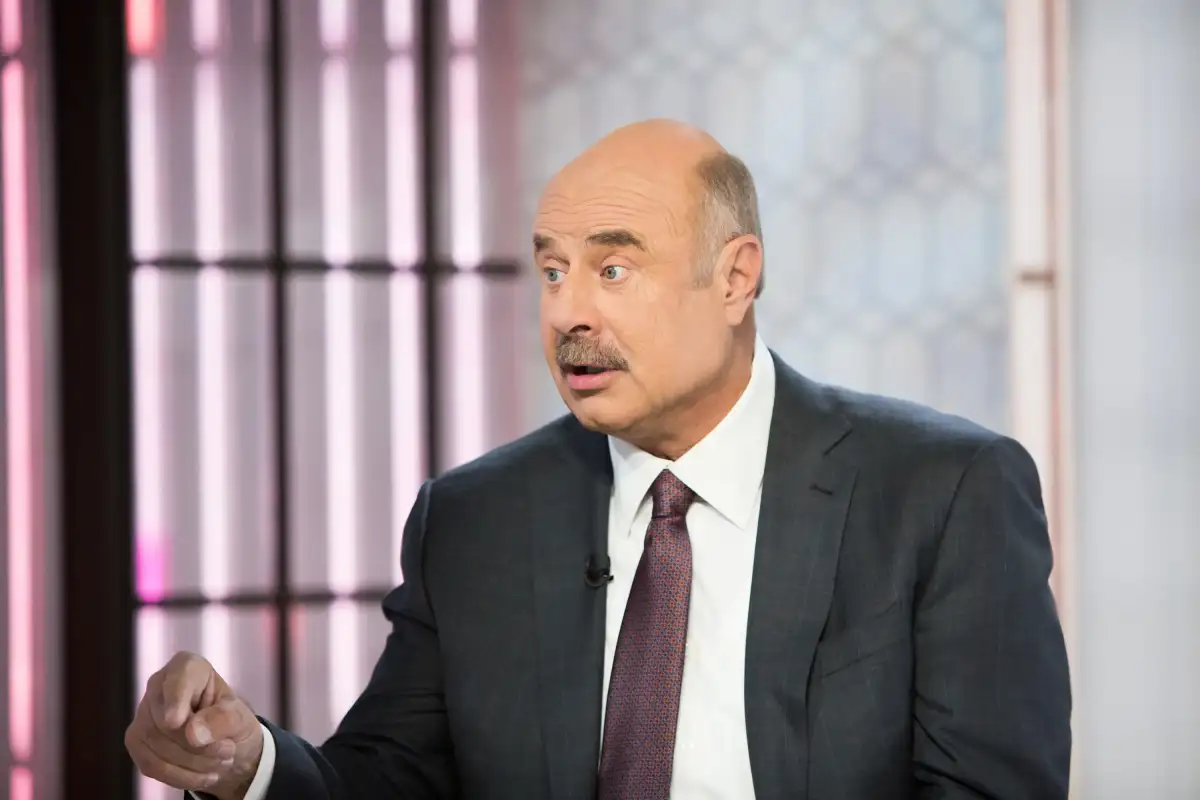
Reflective Analysis:The tension here exists between the brand of common sense McGraw sells and the complex mechanics of daytime ratings. While the show's "Director of Professional Affairs," Greenberg, denies all claims of exploitation, the sheer volume of fragmented, messy stories from former "fixed" guests suggests the reality was more of a commercial exchange than a medical one.
Read More: How AI ethics evaluations change software design on April 7 2026
Historical Context
The Dr. Phil Show ran for over 3,500 episodes, positioning itself as the premiere destination for America’s most visible family collapses.
It launched from the Oprah Winfrey platform.
It frequently featured people at their lowest point—alcoholics, victims of abuse, and the mentally unwell.
The recent E! docuseries serves as a retrospective on whether the healing was merely a byproduct of a very efficient, and sometimes rough, money-making engine.