A growing disconnect is evident between the UK's reliance on imported food and the increasing vulnerability of global food supplies to climate change. While supermarket sales of fresh produce have shown resilience, underlying risks threaten to disrupt availability and affordability. Consumers are expressing deepening concerns about their financial situations, which may be exacerbated by potential food price inflation driven by these external factors. The situation calls for a clear understanding of how climate-induced disruptions in food-producing regions can translate into tangible impacts on British shelves and household budgets.
Mounting Dependence on Imported Food
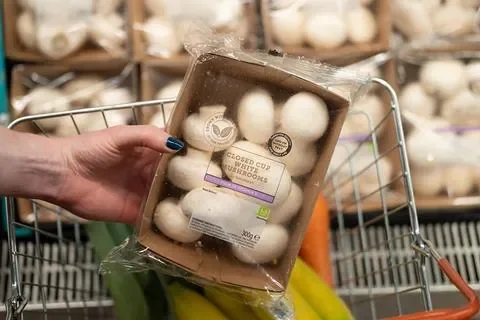
The United Kingdom's food system is significantly reliant on international sources, particularly for fresh fruits and vegetables. In 2024, 47% of vegetables and 84% of fruit consumed in the UK were imported. This dependence makes the nation susceptible to the effects of climate change in supplier regions.
Read More: Paella Recipe Updates: Bomba Rice and No Stir Rule
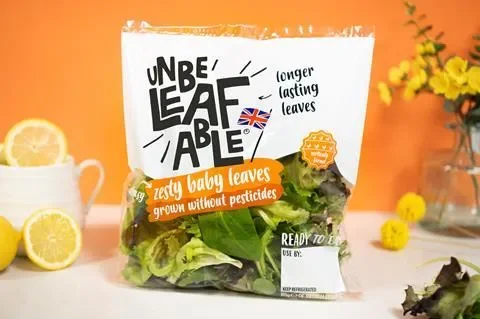
Reports indicate that a substantial portion of the UK's fruit and vegetable imports could face "severe climate threats by 2050."
This reliance means that extreme weather events in other countries can directly affect what is available in British supermarkets.
For example, past shortages have been linked to "shock weather events in Morocco and Spain."
Climate Change Impacts on Supply Chains
Evidence suggests that climate change is already impacting food production globally, creating a tangible risk for the UK.

Increasingly frequent heatwaves, droughts, and flooding are anticipated in regions that supply the UK with fresh produce.
Domestic production is also being hampered by extreme weather, making the UK "increasingly dependent on imports."
For instance, wet weather has notably affected fruit production, including the apple sector.
Extreme Weather's Dual Effect
While some regions may experience detrimental effects from adverse weather, others can see unexpected benefits.

Morocco's wheat crop has reportedly been boosted by "bad weather." This highlights how climate events can have varied and sometimes beneficial outcomes depending on the specific crop and location.
However, the same weather patterns that benefit certain crops can simultaneously threaten others, creating a complex global supply landscape.
Consumer Confidence Declines Amidst Economic Concerns
Simultaneously, consumer sentiment in the UK has seen a downturn, with households expressing increased worry about their financial health and debt levels.
S&P Global data indicates a decline in "current financial health" across all UK regions in February.
Households are also reportedly pessimistic about their "spending plans."
The rate of debt accumulation among UK households has seen its "strongest recorded increase since last July."
"UK consumer sentiment continued to sink this month, as households grow more worried about debt levels." - S&P Global, via The Guardian
Calls for Proactive Adaptation and Investment
Industry experts are urging importers and retailers to acknowledge and address the growing risks to food supply chains.
There is a call for "forward-thinking investment in infrastructure and innovation" to build resilience.
Importers are being advised to "take action to reduce risk of empty shelves."
The ability of the sector to adapt is acknowledged, but it requires a thorough understanding of the changes ahead.
"Importers must prepare for increasingly frequent heatwaves, droughts, and flooding in supplier regions." - Retailtimes.co.uk
Vulnerabilities in the UK's Food Security
Official reports highlight significant weaknesses within the UK's food security framework, exacerbated by current weather patterns.
A Defra report points to "alarming vulnerabilities" in the UK's food security.
Extreme weather is identified as a factor hindering "domestic production."
This situation, coupled with rising food insecurity among households, presents a complex challenge.
Expert Insights on Systemic Challenges
The UK's food system has historically prioritized low prices, a strategy now being questioned in light of climate-related disruptions.
There is a perspective that for long-term affordability, the focus should shift from "keeping prices low" to "keeping food supplies secure."
Additionally, stringent appearance standards can lead to significant waste, with retailers discarding large volumes of fresh produce annually.
"The UK’s food system is built on keeping prices low – but this year’s droughts show up its failings." - The Conversation
Conclusion and Forward Outlook
The confluence of increasing reliance on imported food, amplified climate threats to global agriculture, and declining consumer confidence presents a multifaceted challenge for the UK. While the immediate impact on supermarket sales may appear stable, the underlying vulnerabilities are significant. The findings underscore the urgent need for strategic adaptation within the food import sector and a broader re-evaluation of the UK's food security policies to ensure resilience against future climate-induced disruptions. Further investigation into the specific impacts of climate variability on key import sources and the efficacy of current adaptation strategies employed by major retailers is warranted.
Read More: Europe June 2026 heatwave caused 39 percent rise in Belgium deaths
Key Sources:
retailtimes.co.uk: Provides analysis on the projected climate threats to UK fruit and vegetable imports by 2050, emphasizing the need for importer action.🔗 https://retailtimes.co.uk/half-of-uk-fruit-and-vegetable-imports-face-severe-climate-threats-by-2050-importers-urged-to-take-action-to-reduce-risk-of-empty-shelves/
theguardian.com: Reports on the decline in UK consumer sentiment, driven by household concerns over debt and financial health.🔗 https://www.theguardian.com/business/live/2026/feb/16/japan-growth-gdp-escapes-recession-takaichi-uk-stock-market-house-prices-interest-rates-news-updates
cieh.org: Cites a Defra report detailing "alarming vulnerabilities" in UK food security due to extreme weather impacting domestic production and increasing import reliance.🔗 https://www.cieh.org/ehn/food-safety-integrity/2025/january/defra-report-shows-alarming-vulnerabilities-in-the-uk-s-food-security/
theconversation.com: Critiques the UK's historical prioritization of low food prices over supply security, highlighting how droughts expose systemic failings.🔗 https://theconversation.com/the-uks-food-system-is-built-on-keeping-prices-low-but-this-years-droughts-show-up-its-failings-263939
standard.co.uk: Discusses potential fruit and vegetable shortages in the UK, linking them to climatic shocks in countries like Morocco and Spain, and past reliance on imports post-Brexit.🔗 https://www.standard.co.uk/news/uk/food-fruit-and-vegetable-shortage-lidfl-aldi-tesco-limit-morocco-spain-b1063071.html
:max_bytes(150000):strip_icc()/image-460-7bdc9b0a055246f0b95bfb1b800773ec.jpg)