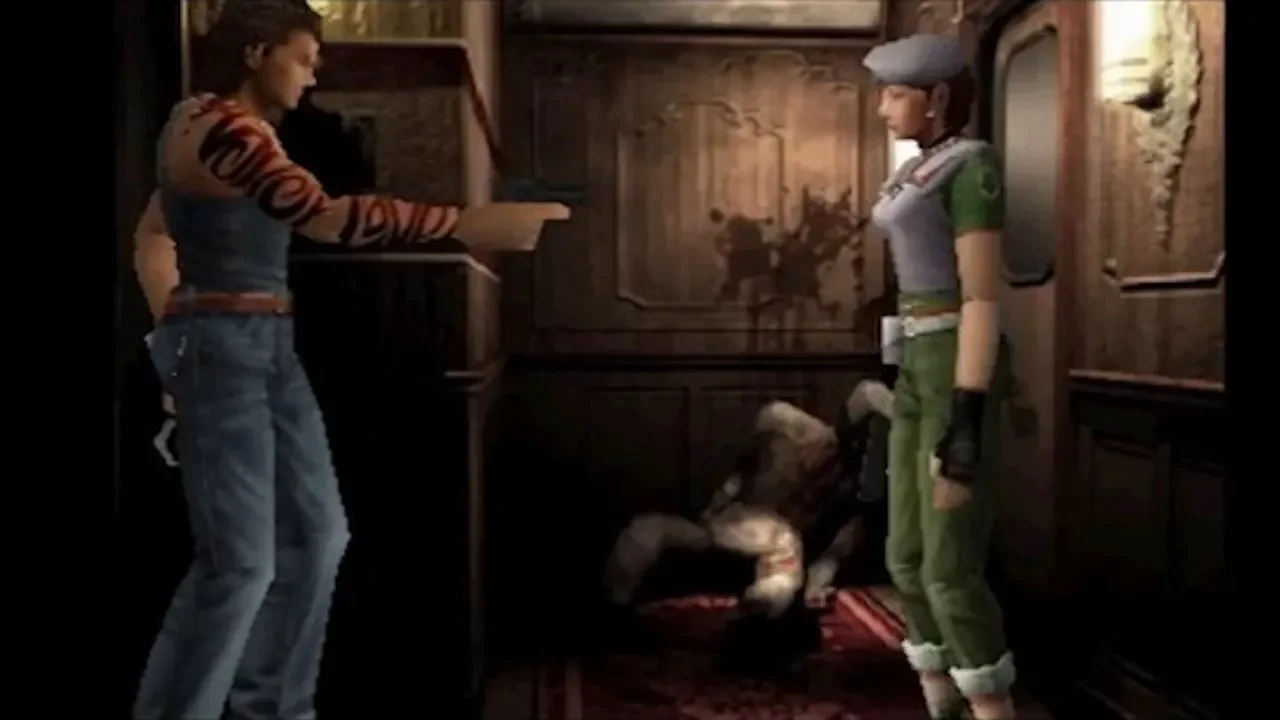
Capcom's Resident Evil franchise is a testament to the restless, often chaotic, currents of game development, with some iterations languishing in the ether while others claw their way to existence. The phenomenon of 'lost media' is particularly acute here, where ghostly versions of games, like the unreleased Resident Evil 1.5, can be pieced together by a dedicated community. These discarded prototypes, born from the collaborative friction between directors like Shinji Mikami and designers such as Hideki Kamiya, represent not failures, but crucible moments that shaped the final products we know.

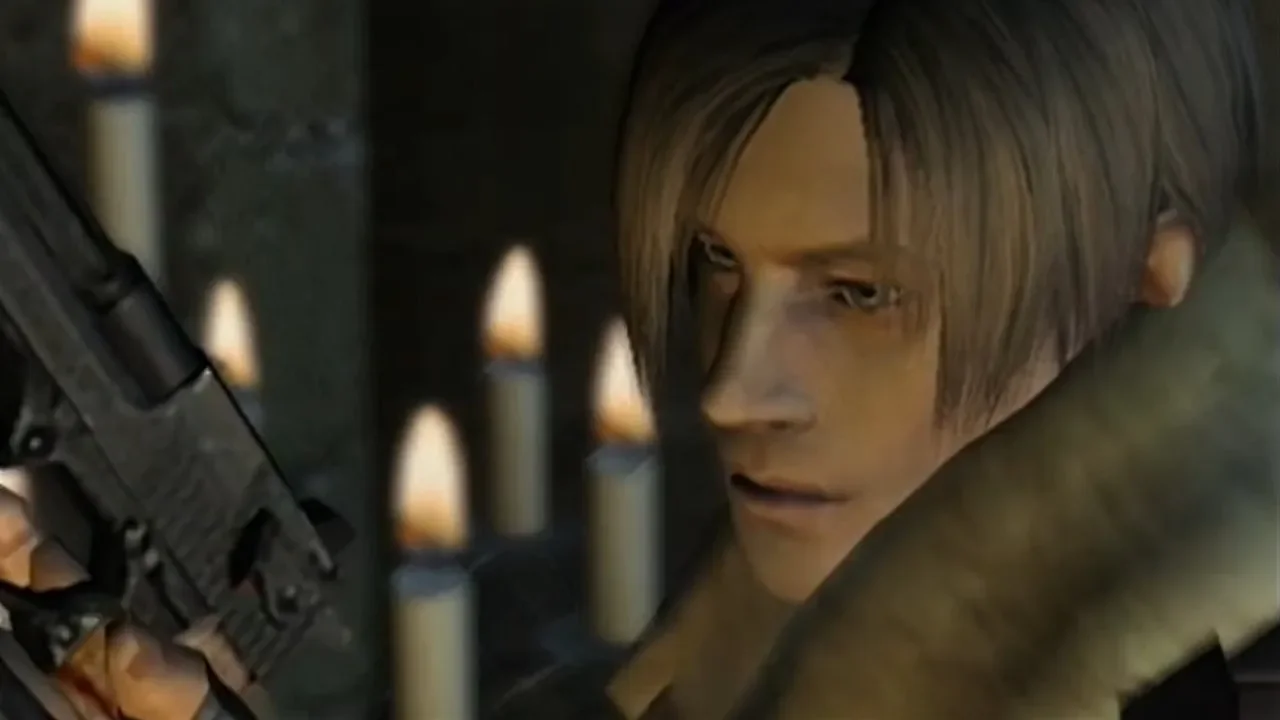
This process of rebirth and reinvention is evident across the series. Famously, Resident Evil 4 underwent multiple significant reboots, transforming dramatically from its initial conception. What began as a different project, perhaps unrecognizable to players today, was eventually sculpted into its final form through repeated revisions. This cycle of destruction and reconstruction underscores a recurring theme: in the world of Resident Evil, ideas, and even entire games, possess a peculiar afterlife.
Read More: Resident Evil games change on Nintendo consoles due to violence limits
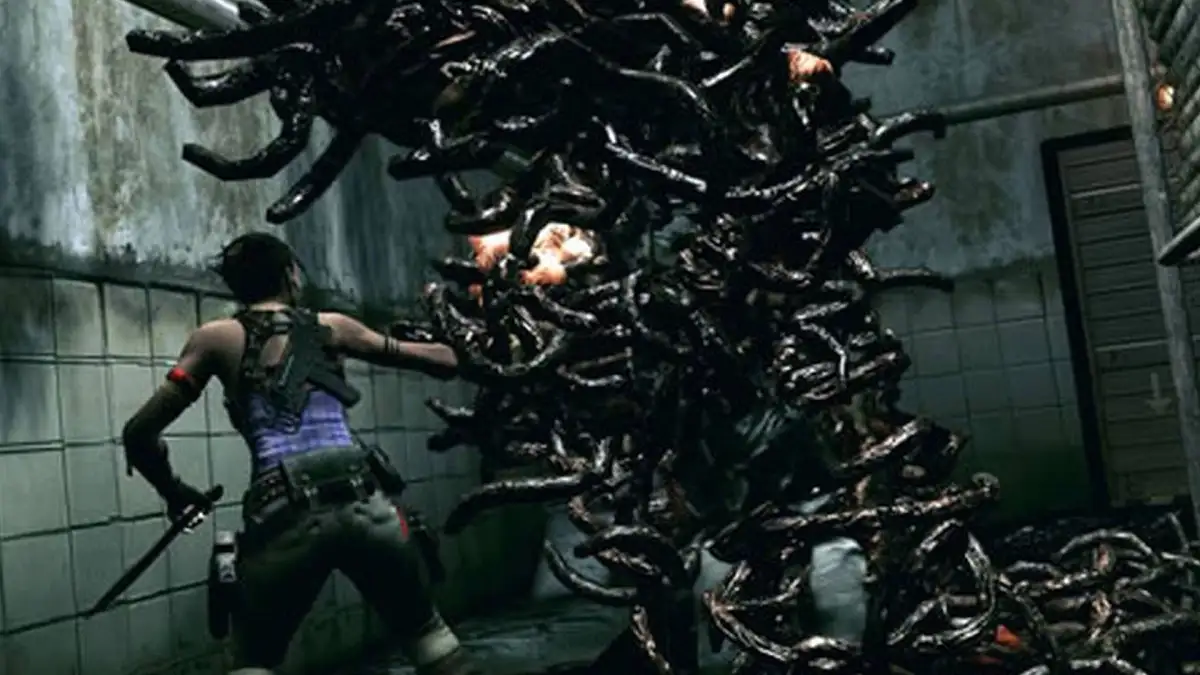
From Demise to Digital Existence
The notion of games "dying" is complicated by the obsessive fan communities that meticulously unearth and reconstruct these lost fragments. Resident Evil 1.5, though never officially released, has become a tangible experience for many, a resurrection powered by sheer dedication. This resurrected corpse, as it's been described, highlights the fluid boundaries between what is finished and what is perpetually in progress, especially when influential figures like Noboru Sugimura, credited with rescuing the narrative of Resident Evil 2, leave their indelible marks.
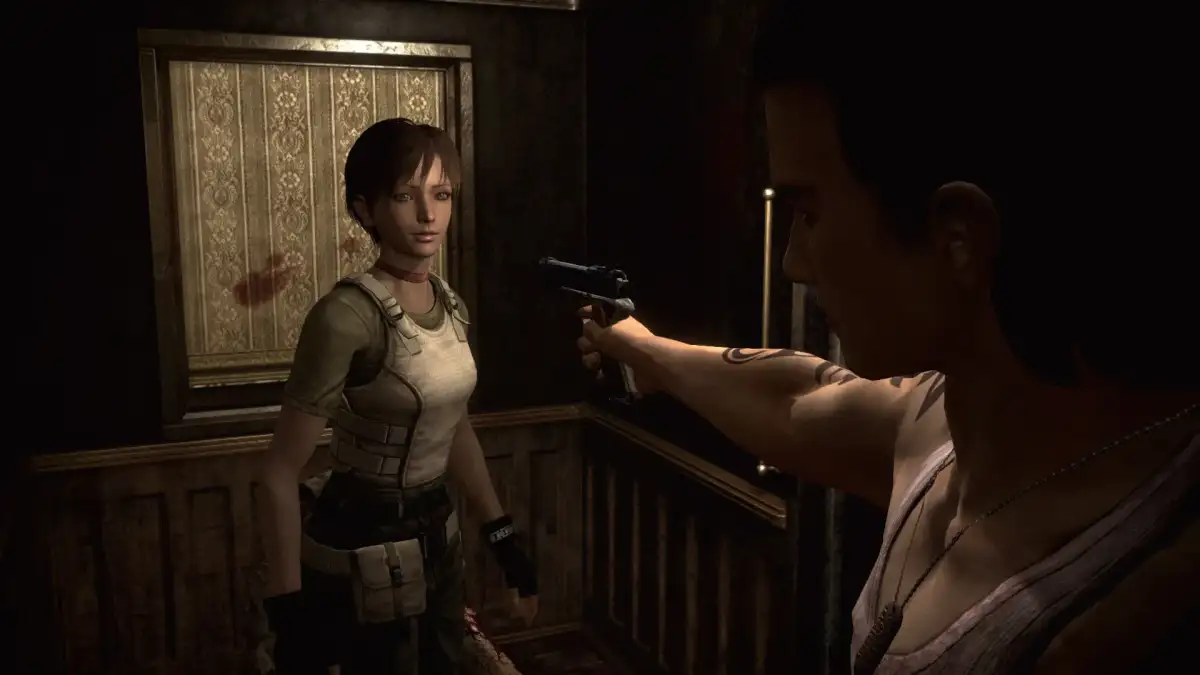
A Legacy of Iteration
The development of classic titles like Resident Evil 2 was far from linear. These beloved games are, in many respects, the survivors of an intense, iterative churn. Even successful releases were subject to varied localization and censorship, as seen with the Japanese version of Resident Evil 2 having more gory sequences removed. This historical context reveals a franchise constantly renegotiating its own identity, a process that continues with modern remakes and reimaginings.
Read More: Crimson Desert Game Controls To Be Fixed By Pearl Abyss After Player Complaints
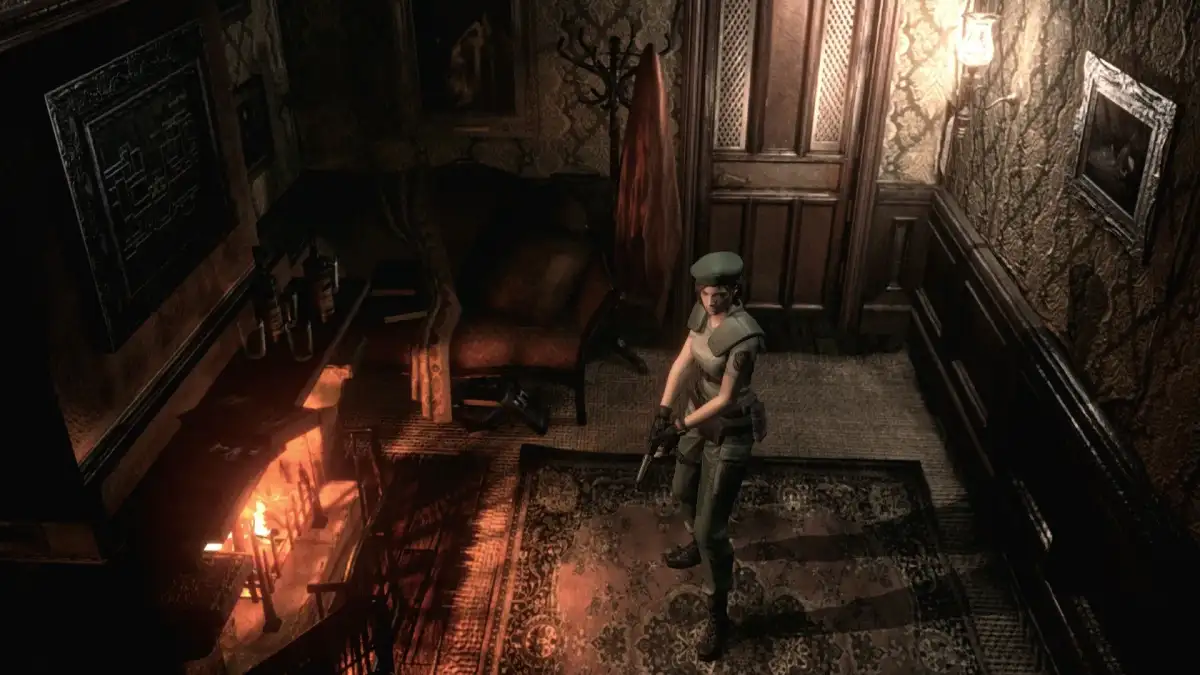
The Ever-Present Past
The Resident Evil saga is steeped in narratives of infection, contagion, and the inescapable consequences of scientific overreach. From the initial T-virus outbreaks impacting individuals like Scott, Savage, and Roberts, to the sprawling conflicts involving characters like Claire and Leon, the core themes of survival and biological horror remain. The series' exploration of these elements, from Spencer Mansion to the RPD, has cemented its place in popular culture, a testament to its enduring, albeit often grim, appeal.