WASHINGTON D.C. - The Republican Party finds itself in a precarious position as the midterm elections approach, with internal and external assessments pointing towards significant potential losses. This situation appears less a testament to Democratic strength and more a reflection of a party grappling with the diminishing public approval of President Donald Trump and persistent economic anxieties among voters. Reports suggest a widespread expectation within the party of a "massacre," a term indicating a potential loss of numerous seats in Congress.

Current polling data indicates a significant deficit for President Trump, with his approval rating hovering around 41.3 percent against a disapproval of 56.3 percent, according to RealClearPolitics averages. This personal standing directly impacts the broader party's prospects. Issues once considered strongholds for Republicans, such as immigration, are reportedly showing signs of waning in their appeal to voters.
Read More: Taiwan Holds Nantou County Drills to Prepare for State Collapse

The economic sentiment of the electorate also presents a substantial hurdle. Voter approval of the economy under the current administration has reportedly cratered to a mere 31 percent. This economic dissatisfaction is compounded by ongoing concerns over the price of everyday goods, particularly groceries, and the specter of prolonged military engagements. Republicans are seen as needing to address these pressing financial realities and international entanglements to retain their hold on Congress. The party currently maintains a razor-thin majority in the House of Representatives, with 218 Republicans to 214 Democrats.

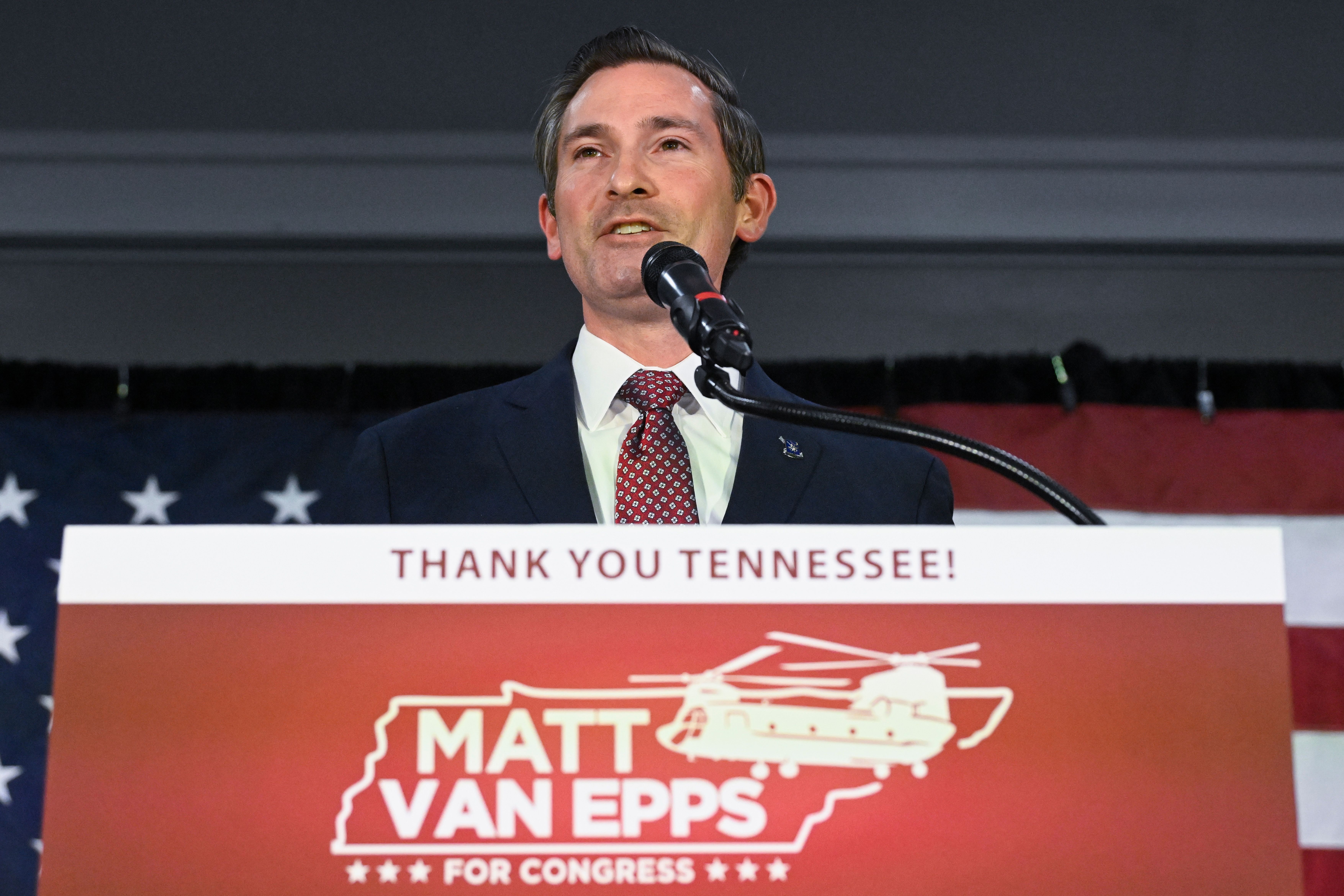
While some special elections, like the recent victory in a Tennessee U.S. House district, have shown the party's ability to retain traditionally conservative seats, these wins are often described as hard-fought and come with an undercurrent of anxiety. Such victories have required significant national spending and high-profile campaigning, often with the involvement of President Trump, to secure margins that are reportedly smaller than in previous contests. This reliance on intense campaigning suggests a diminished organic support base.
Read More: Trump's White Working-Class Voters Show Signs of Leaving

The internal dynamics of the House GOP also highlight a degree of chaos and internal division. Leaders are reportedly monitoring the health of individual members and grappling with the difficulty of holding votes due to insufficient attendance. There are private concerns among leadership about the potential loss of members in statewide races, underscoring the vulnerability of the party's current congressional contingent.
Furthermore, the party's messaging strategy for the midterms appears fragmented. While President Trump has outlined specific legislative priorities, such as stricter voter identification laws and restrictions on transgender rights, these appear to diverge from or overshadow the concerns of some Republican lawmakers. There is a noted absence of a unified, winning message for the midterms, leaving many Republican candidates without clear platforms to campaign on beyond adherence to the President's agenda. Some within the party are reportedly considering strategies to position themselves in a "post-Trump world," suggesting a recognition of the evolving political landscape and the potential downsides of complete alignment with the current presidency.
Read More: FBI Analysts Review Georgia 2020 Election Data in Fulton County
The coming months are described as critical. The outcome of the midterms could range from a modest loss of a few seats to a significant rout, with one Republican House member reportedly predicting a loss of 60 to 70 seats. The party's ability to navigate these challenges hinges on its capacity to address voter concerns regarding economic stability and international affairs, while also managing the complex internal politics shaped by President Trump's influence.
Background
The Republican Party currently holds a slim majority in the U.S. House of Representatives. The upcoming midterm elections are seen as a crucial test of President Donald Trump's influence and the party's ability to connect with voters on key issues. Public sentiment, particularly concerning economic conditions and foreign policy, is a significant factor influencing the electoral landscape. The narrow margin in the House means that even minor shifts in voter preference could result in a substantial change in congressional control.
Read More: Trump's Non-College Voters Show Dissatisfaction in Early 2025