Reform UK has signaled a notable performance in recent local elections, with early results from the Liverpool City Region indicating significant gains for the party. While specific figures are still being tallied, initial reports suggest the party has secured seven councillor seats, marking a departure from historical political landscapes in several areas.
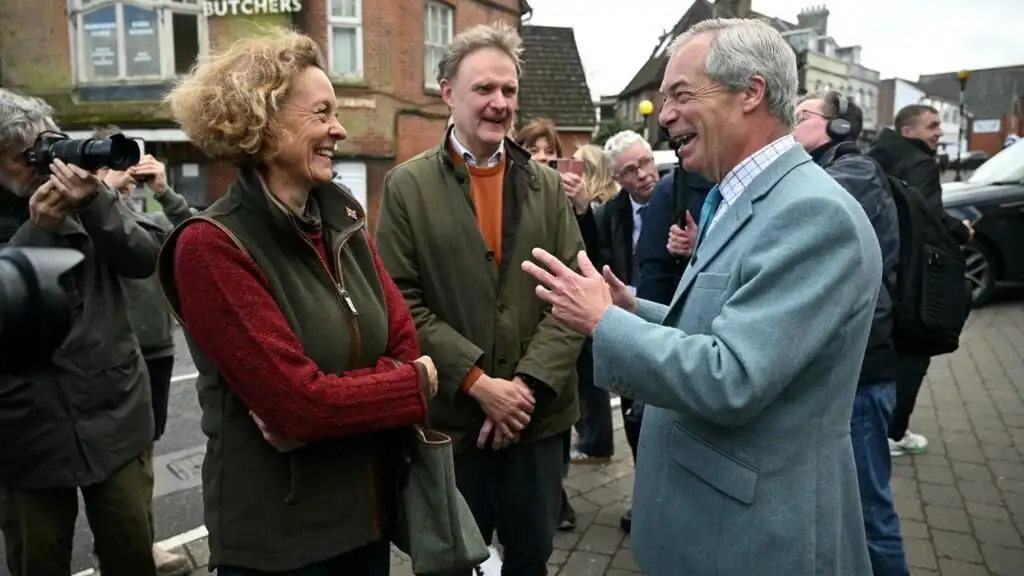
The outcomes, emerging from elections held on Thursday, May 8th, 2026, place Reform UK in a position to potentially challenge the dominance of established parties, particularly in historically Conservative-leaning regions such as Essex. The party’s distinctive turquoise campaign bus, recently observed carrying former Conservative minister Robert Jenrick, has become a visible marker of their increasing presence, drawing both attention and varied responses from the public.
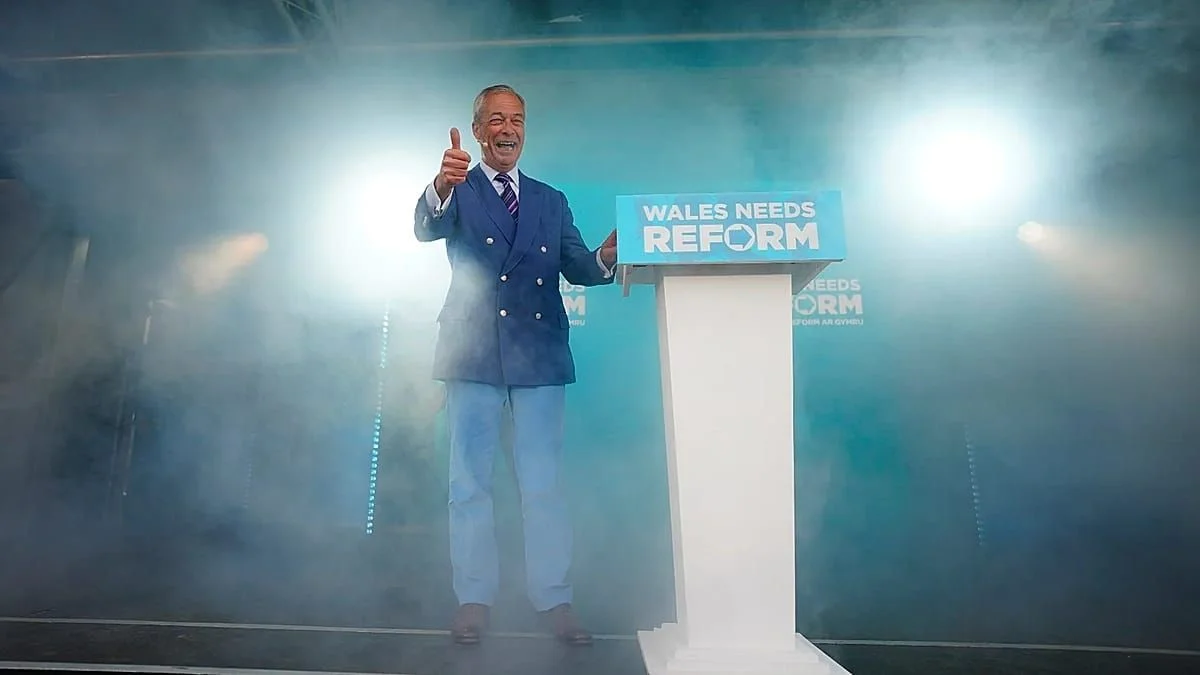
This surge in electoral engagement comes as the party, led in spirit by figures like Nigel Farage, continues its stated ambition to become a significant force on the right of the political spectrum. The momentum appears to be building not only in England but also with projections suggesting potential gains in Wales and Scotland.
Read More: Taiwan Holds Nantou County Drills to Prepare for State Collapse
However, the party's ascent is not without its complexities. Reports indicate Reform UK has also seen losses, having shed two seats. Furthermore, the party has faced scrutiny and controversy, with some candidates drawing criticism for remarks described as racist and xenophobic. These issues have been raised in conjunction with broader political discussions, including internal party matters within the Labour Party, where calls for leader Keir Starmer’s resignation have emerged following what is being termed a "difficult" night. Prime Minister Starmer has acknowledged taking responsibility for the outcomes, which have seen Labour lose hundreds of councillors and control of nine councils so far.
Campaign Context and Wider Political Landscape
The current electoral cycle, with over 5,000 council seats contested across the country, has provided a platform for parties like Reform UK to voice anti-immigrant sentiments and tap into voter dissatisfaction. This has reportedly impacted both the ruling Labour Party and the opposition Conservatives. The party's platform, characterized as "bold reform," seeks to mobilize voters through a comprehensive agenda, as evidenced by their manifesto for Scotland. While figures like Jenrick have aligned themselves with the party, this association has also brought attention to ongoing debates about the party's direction and the implications of its growing support.