

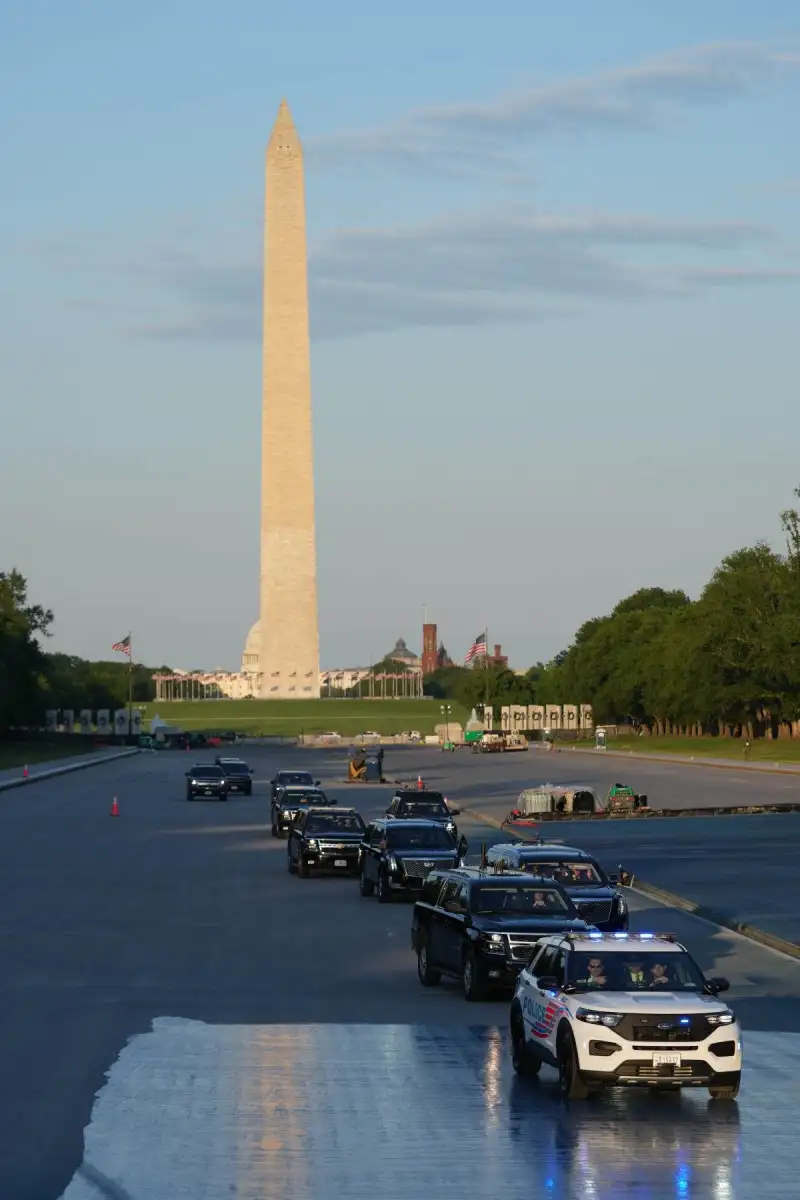
The renovation of the Lincoln Memorial Reflecting Pool, initially projected at $2 million, has ballooned to a staggering $13 million. This dramatic cost escalation coincides with a lawsuit filed by a nonprofit group aiming to halt the project, alleging violations of federal law governing changes to historical landmarks. The Cultural Landscape Foundation (TCLF) is at the forefront of this legal action, arguing that the Trump administration bypassed mandated procedures, including public notice and congressional review, before undertaking the resurfacing and repainting of the historic basin.
The core of the dispute centers on both the procedural integrity and the aesthetic intent behind the renovation. Critics contend that a 'no-bid' contract was awarded to a company with prior experience working on pools at Trump properties, raising questions about fair competition and adherence to procurement laws. The administration, conversely, justifies the accelerated timeline and increased cost as necessary to complete leak prevention work and beautify the capital in anticipation of the nation's 250th birthday celebrations. The stated aim is to address significant leaks, with an Interior Department official noting the pool loses approximately 16 million gallons annually, and that the new coating material is designed to be leak-proof.
Read More: Acting DNI Pulte Fires Dozens of Intelligence Officials Starting Thursday
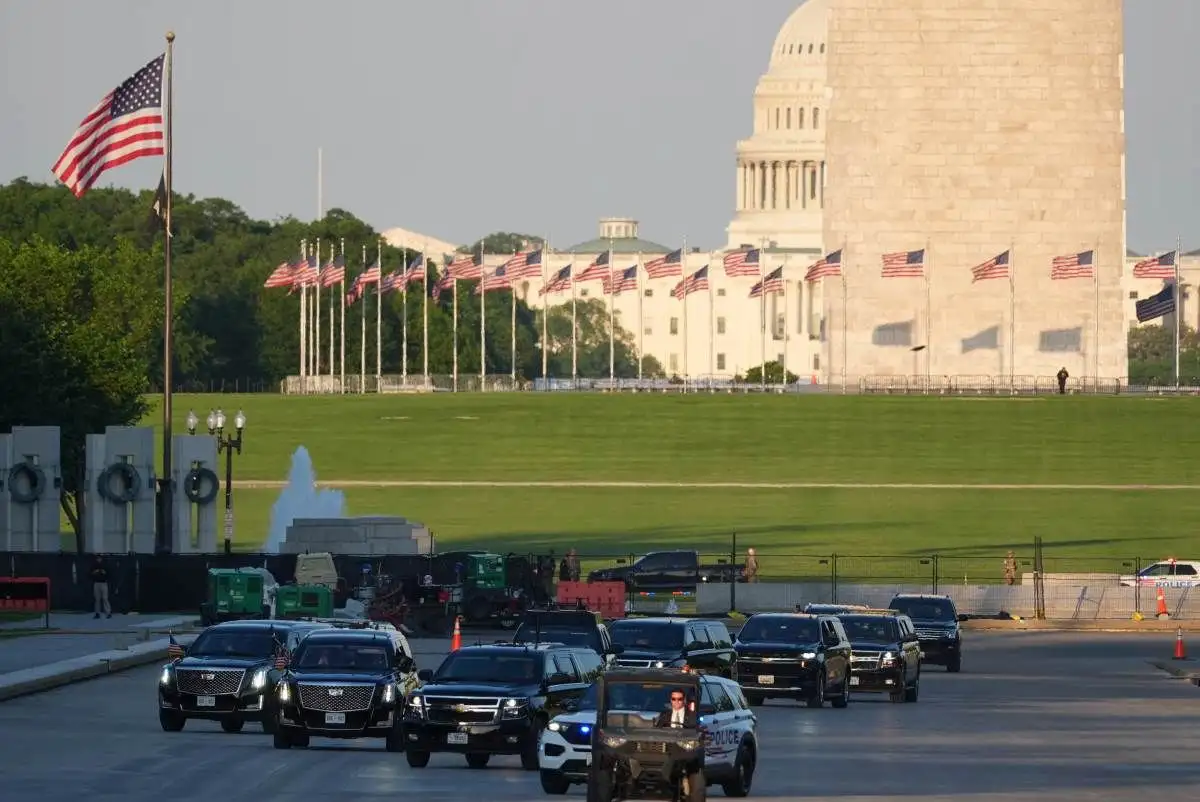
The aesthetic shift from the pool's traditional muted tones to a bright "American Flag Blue" is another major point of contention. TCLF, in its legal filings, argues that the original colors were intentionally chosen to evoke reflection and depth, a quality they feel is lost with the new vibrant hue. This visual alteration, they assert, is not merely cosmetic but represents a fundamental change to a historical feature that requires stringent oversight. The administration, however, frames the blue color as an appealing choice, with President Trump reportedly selecting the "American Flag Blue" himself.
Further complicating the situation are reports of expedited contract adjustments. Public contracting records have not fully elucidated the reasons for the sharp increase in the contract's value late last week, which nearly doubled its size. An Interior Department spokesperson attributed the heightened price to the need for additional personnel, materials, and extended working hours to meet the pre-anniversary deadline. President Trump himself has described the work as a bargain, though his figures appear to be significantly lower than those reported.
Read More: New York City Mamdani Administration Fights for 9/11 Records
The Reflecting Pool controversy is not an isolated incident. The Trump administration faces other legal challenges regarding its broader plans for Washington D.C.'s historic structures. These include attempts to block the renaming and renovation of the Kennedy Center for the Performing Arts, a proposed arch across the Potomac River, and plans to demolish the White House East Wing to construct a new ballroom. In one instance, a judge ruled that congressional approval was necessary for aboveground construction, echoing the procedural concerns raised in the Reflecting Pool lawsuit.
President Trump has publicly promoted the Reflecting Pool renovation, sharing images of the planned changes. His administration maintains that the project is essential for the pool's integrity and for enhancing the capital's appearance. The company contracted for the work, Atlantic Industrial Coatings, has confirmed its involvement but has referred further inquiries to the Department of the Interior. The case has been assigned to U.S. District Judge Carl Nichols, who was appointed by Trump.
Read More: Tamil Nadu lowers ration delivery age to 60 starting April 2026


