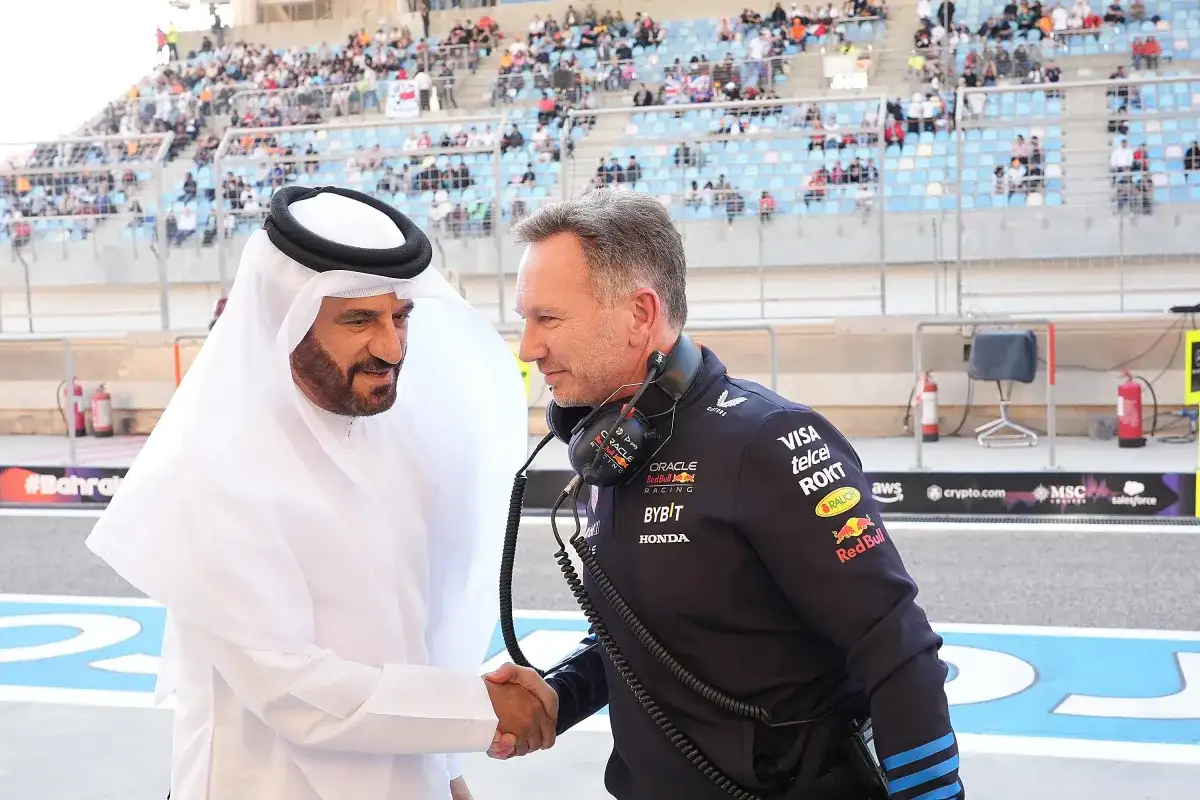
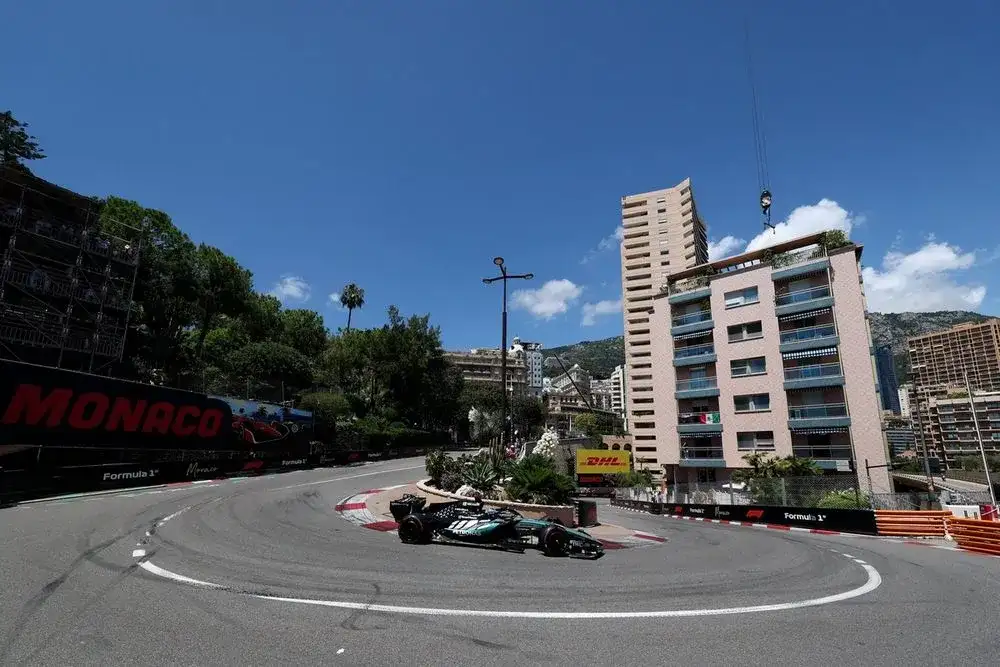
Red Bull Racing has entered a period of organizational instability marked by the departure of long-term team principal Christian Horner and the subsequent appointment of Laurent Mekies. This shift in command coincides with a documented struggle to maintain competitive performance, with Max Verstappen forced to navigate what he describes as a "midfield battle" rather than a position of clear dominance.
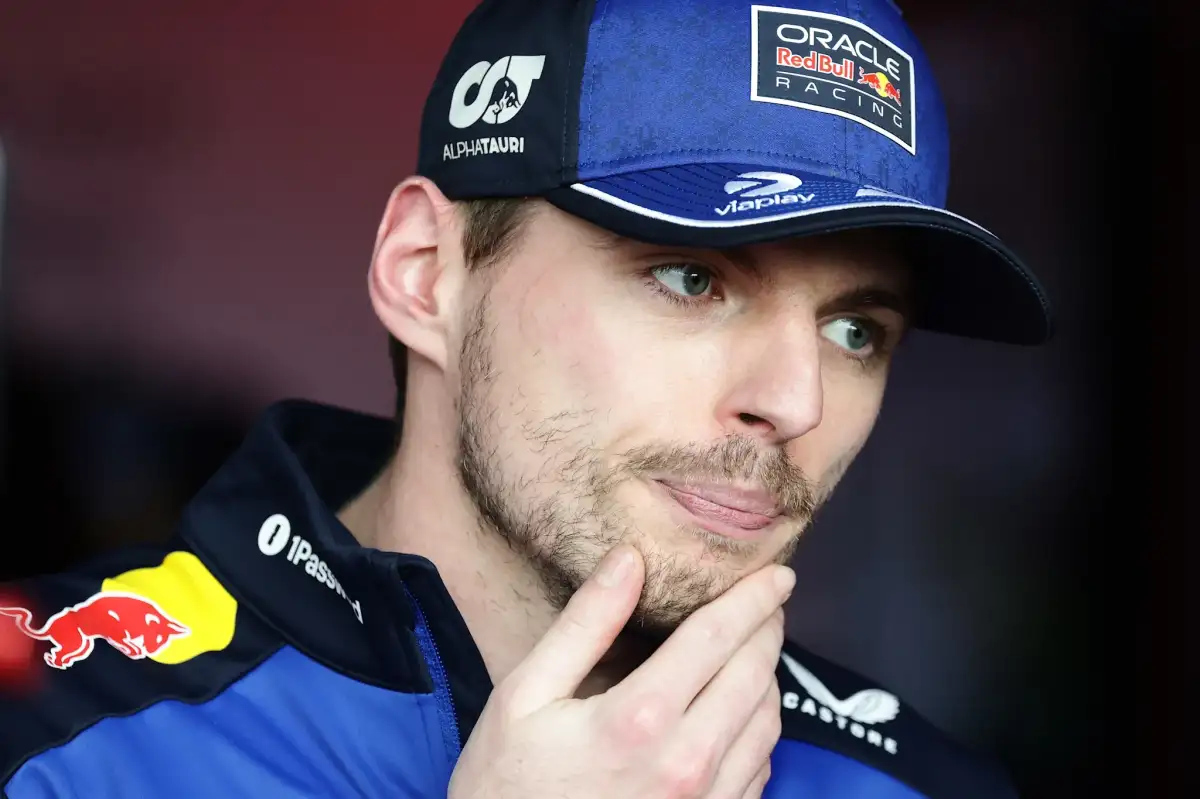
Technical parity in the field has neutralized Red Bull’s previous performance advantage, shifting the team from the role of the hunted to the role of the hunter.
| Factor | Status |
|---|---|
| Team Leadership | Transitioned from Horner to Mekies |
| Technical Standing | Midfield performance variability |
| Primary Goal | Vehicle optimization to retain Verstappen |
| External Pressure | Interest from rivals (Mercedes) |
Performance Flux and Technical Remediation
The RB21 chassis has undergone iterative testing throughout the 2025 season. Despite significant technical setbacks—including balance issues at the Japanese Grand Prix and mid-season retirement in China—the engineering team implemented floor revisions that culminated in a victory at the Italian Grand Prix.
Read More: Christian Horner to Attend 2026 British Grand Prix
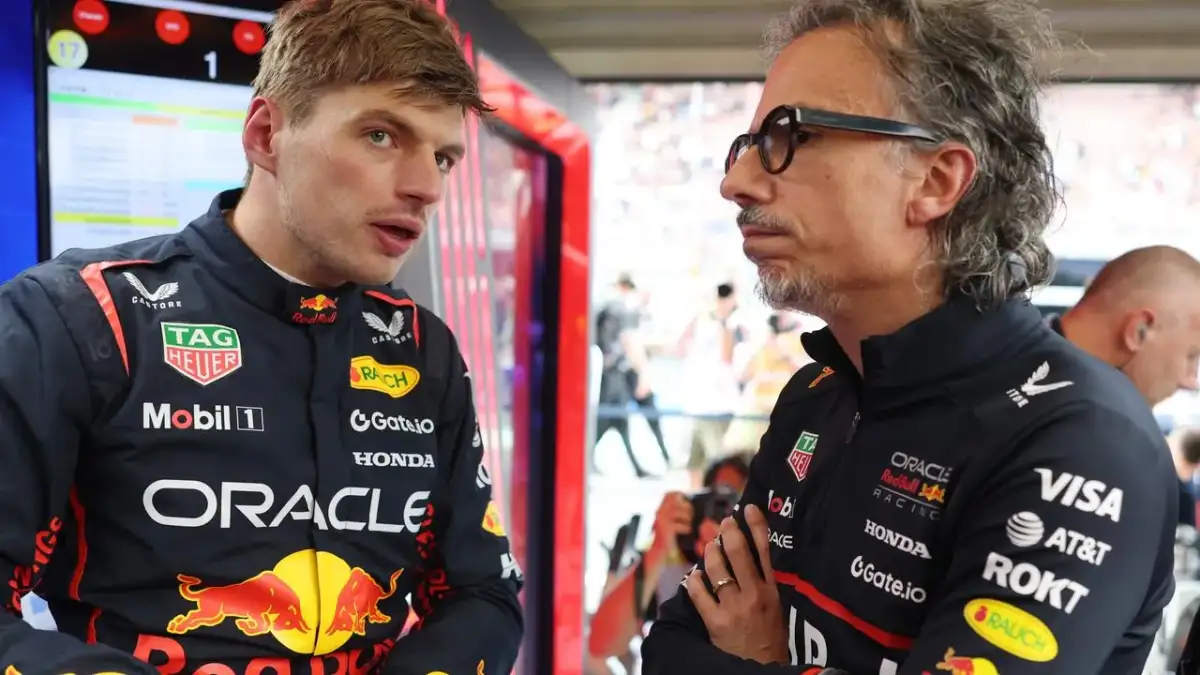
The team faces intense scrutiny regarding its capacity to retain Verstappen as contract-related speculation persists.
Mekies has publicly prioritized technical stability as the primary mechanism for ensuring driver loyalty.
Verstappen maintains that the internal pressures he faces are self-imposed, dismissing external claims of shifting team dynamics or loss of motivation.
Institutional Context
The current cycle of events follows a high-profile series of organizational ruptures. Following the exit of key personnel and the technical departure of figures like Adrian Newey, the squad has faced mounting pressure to sustain its past record of eight Driver Championships.

The focus now remains on the next development cycle prior to the Miami Grand Prix and the subsequent end-of-season evaluations. Mekies’ administrative approach—focused on collaborative questioning of current technical methods—stands in contrast to the previous era of the team, leaving the long-term strategic trajectory under ongoing observation.