The roar of victory echoes, but beneath the celebratory headlines, a critical eye is needed. Royal Challengers Bengaluru (RCB) has once again hoisted a Women's Premier League (WPL) trophy. This second triumph, celebrated by cricket legends like Virat Kohli and AB de Villiers, paints a picture of sustained success. But how much of this narrative is fueled by genuine, independent strength, and how much by the lingering aura of its male counterpart? As a free-thinker journalist, I aim to peel back the layers, asking the tough questions about what this "second WPL title win" truly signifies for the franchise and its women's team.
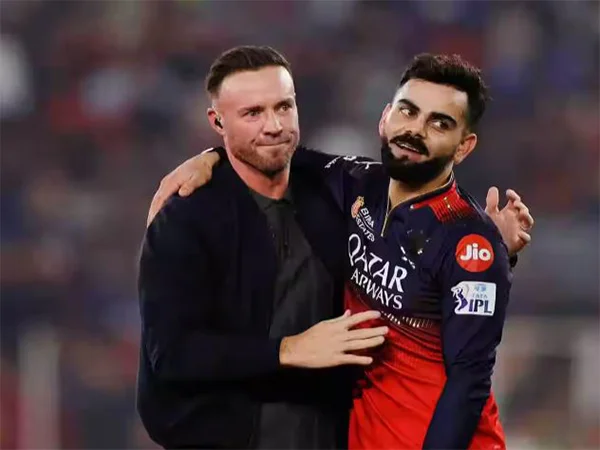
The celebrations are undeniable. Former captains Virat Kohli and AB de Villiers, revered figures in RCB's history, have lauded the RCB women's team for their stunning victory in the Women's Premier League (WPL). This marks their second WPL title, a feat that has brought immense joy to fans and drawn congratulations from a spectrum of personalities, including current men's team players like Rajat Patidar and Krunal Pandya, as well as cricketing stalwarts like Mithali Raj. The parallel success of holding both the IPL and WPL titles simultaneously is being hailed as a unique achievement for the franchise. However, this wave of praise, while warranted, often glosses over deeper systemic questions. How are these victories being leveraged? Are the women's team's achievements being organically cultivated, or are they, to some extent, a strategic extension of the established brand equity of the men's team?
A Tale of Two RCBs: Legacy and Current Victories
The current euphoria surrounding the WPL title is amplified by a recent historic win: the men's team's maiden IPL title on June 3rd, ending an 18-year drought. This is a crucial piece of context. AB de Villiers, in a heartfelt note after the men's IPL win, spoke of a "culmination" and his deep connection to the franchise and Virat Kohli. Now, the women's team has mirrored this success. This simultaneous holding of both IPL and WPL titles is unprecedented and, on the surface, represents a golden era for RCB.
Read More: Lindsey Vonn Hurt in Ski Race Crash

But let's scrutinize this. Is the WPL team's success truly a product of its independent growth and strategic decisions, or is it a benefit derived from the colossal infrastructure, financial backing, and marketing machine already in place for the men's team?
Timeline of Dominance:
Men's IPL Title: June 3rd, ending an 18-year wait.
Women's WPL Title: Recent victory, marking their second WPL triumph.
The narrative being pushed is one of consistent success and brand rejuvenation. The "trophyless jokes" that once plagued RCB are seemingly a distant memory. Yet, this rapid turnaround warrants deeper investigation. Are we witnessing organic development, or a well-orchestrated brand synergy where the women's team's wins are strategically used to bolster the overarching RCB brand, already immensely popular due to its association with Virat Kohli and its storied past?
The Scorecard of Success: Player Performances and Strategic Wins
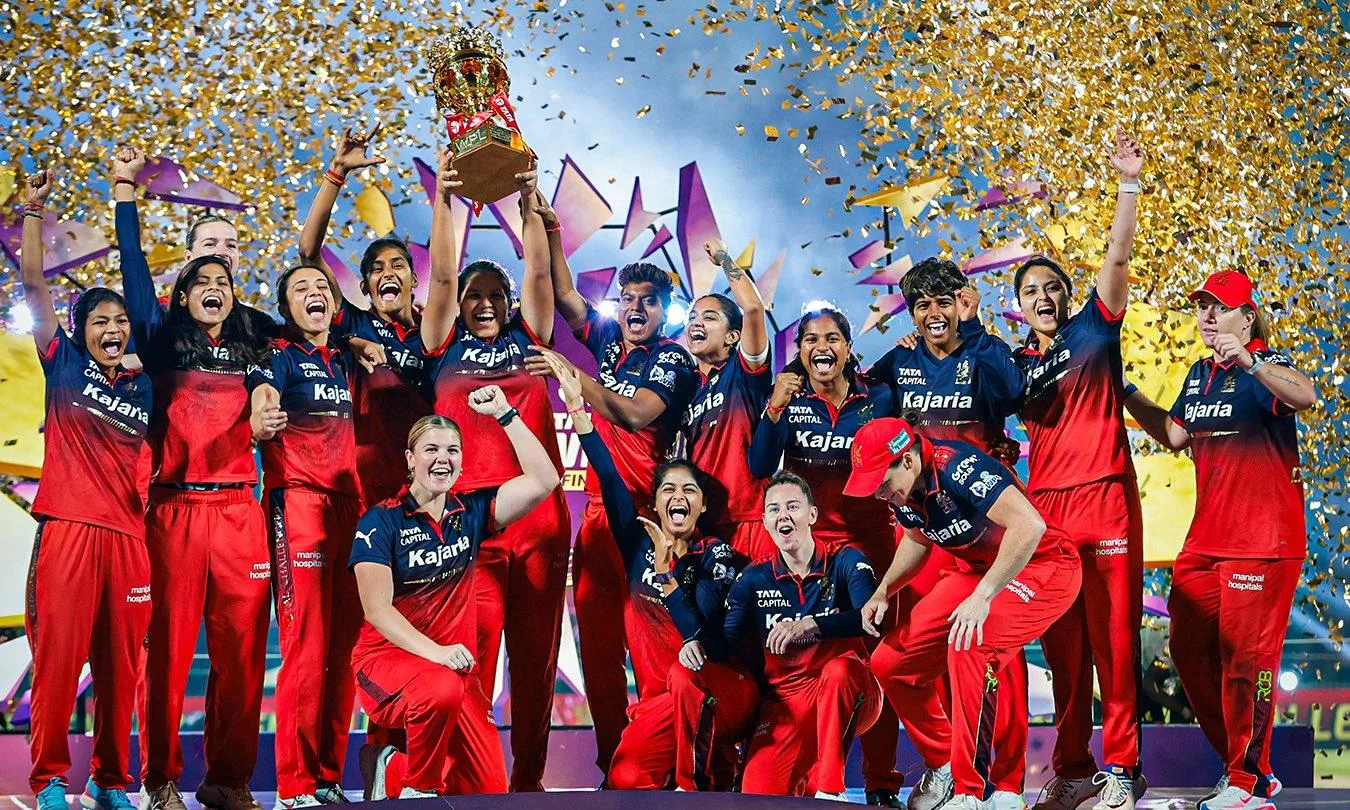
Looking at the WPL final itself, the RCB women's team showcased remarkable resilience and skill.
Read More: Italy Beats Nepal in T20 World Cup Match
Key Partnerships:
Smriti Mandhana (87) and Georgia Voll (79): A colossal 165-run stand that dismantled the opposition's bowling attack.
Jemimah Rodrigues (57) and Laura Wolvaardt (44): A crucial 76-run partnership that provided stability when the team needed it.
The batting performances were exceptional, with players like Smriti Mandhana and Georgia Voll leading the charge. However, what happens off the field? How is the WPL team's success integrated into the franchise's overall vision and investment strategy?
"She’s timing the ball, and when she wanted, she was hitting, picking the pockets in which he wanted to attack," Rangarajan said, describing a player's performance.
This quote highlights the on-field prowess. But beyond individual brilliance, what systemic support structures are in place to nurture this talent year-round? Are the players receiving comparable resources, training facilities, and contractual benefits to their male counterparts? The articles are rife with praise from Virat Kohli and AB de Villiers, but their words, while heartwarming, are part of a larger brand ecosystem. My question is: What are the concrete, quantifiable investments being made in the women's team that are independent of the men's team's legacy?
Brand Synergy or Independent Entity? The Critical Disconnect
The fact that both the IPL and WPL trophies are now held by RCB concurrently is a remarkable commercial and marketing opportunity. Anushka Sharma, Virat Kohli's wife, shared a photo of the victorious women's team celebrating, signifying the integration of this success into the broader RCB family narrative.
Read More: Spurs Look at Tactics and Player Choices
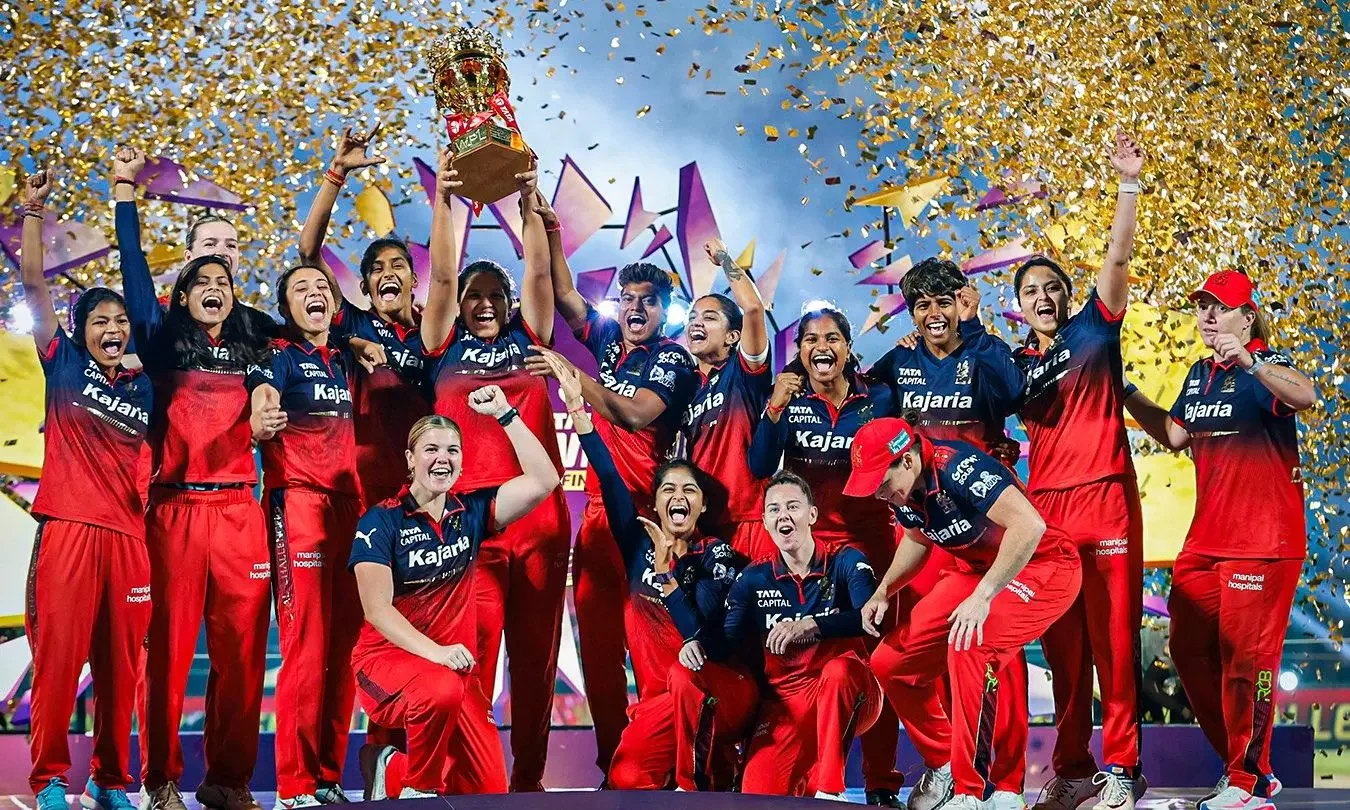
RCB's Trophy Cabinet:
IPL Title: 1 (Recent)
WPL Title: 2 (Recent)
This duality is powerful. It allows the franchise to leverage the "Red and Gold" brand across multiple platforms with unparalleled success. But this begs a crucial question: Is the women's team viewed as a co-equal entity within the RCB structure, or as a valuable asset that enhances the overall brand value derived primarily from the men's IPL team's popularity?
The accolades from former stars like Virat Kohli and AB de Villiers are valuable, but they are also integral to the RCB brand itself. Their endorsements serve to validate the team's success and, by extension, the franchise's overall vision. But are we hearing from independent analysts or experts who can speak to the internal operational strengths and weaknesses of the women's team, separate from the RCB halo effect?
Read More: India vs Pakistan Match in T20 World Cup 2026 Will Happen
"History repeated,” Rajat Patidar, captain of the RCB men’s team, noted.
This sentiment, while celebratory, could also be interpreted as the women's team riding the coattails of past glory or, more cynically, as the franchise simply replicating its winning formula, regardless of the sport.
The Shadow of the Past: "Trophyless" Legacy and its Influence
For years, the narrative surrounding RCB, particularly its men's team, was one of immense potential but perpetual heartbreak – the "trophyless" tag. The recent IPL win broke that curse. Now, the WPL team has added to the trophy count. This transformation is remarkable.
However, we must ask: To what extent is the current success of the WPL team a product of independent strategic planning and grassroots development, and to what extent is it benefiting from the massive brand recognition and investment already channeled into the men's team?
Read More: Top Girls' Basketball Teams Stand Out in Southern California
RCB's Journey:
Past: Prolonged "trophyless" era for the men's team.
Present: Recent IPL title win and a second WPL title, achieving simultaneous trophy-holding.
The articles highlight the "flying start" provided by players like Lizelle Lee and Shafali Verma, and the "piercing hits" from Smriti Mandhana and Georgia Voll. These are specific match details. But what about the long-term vision for women's cricket within the RCB structure? Are there dedicated academies, scouting networks, and player development programs that operate autonomously from the men's team's operations? Or is the women's team essentially a satellite of the established IPL juggernaut, benefiting from its residual resources and goodwill?
Beyond the Cheers: What Next for RCB's Women?
The current celebration is significant. It's a testament to the talent on display and the competitive spirit of the RCB women's team. But as a critical observer, I must probe further. This "second WPL title win" is a powerful headline. However, its true meaning hinges on the independence and sustained growth of the women's team.
Read More: Babar Azam's Father Speaks Out, Causes Debate Among Cricket Stars
Key Questions Moving Forward:
Resource Allocation: What is the precise, year-round investment in the women's team's training, infrastructure, and player welfare compared to the men's team?
Decision-Making Autonomy: How much independence does the women's team management have in strategic planning, player recruitment, and day-to-day operations?
Brand Messaging: Is the narrative of success being framed around the women's team's achievements as an independent entity, or is it primarily serving to enhance the overall RCB brand, which is still heavily associated with its IPL legacy?
Fan Engagement: How is the franchise ensuring that the WPL team's fanbase is cultivated organically, beyond the existing RCB IPL fan base?
The simultaneous holding of IPL and WPL titles is undoubtedly a monumental achievement. But for it to represent genuine progress in women's sports, it must be built on foundations of true autonomy, equitable investment, and independent recognition. The cheers from legends like Kohli and de Villiers are welcome, but they should not drown out the need for a deeper, more critical examination of what this success truly means for the future of women's cricket under the RCB banner.
Read More: Ukrainian Athlete Leaves Games Over Helmet Rule
Sources:
New Kerala: https://www.newkerala.com/news/a/keeping-rcb-flag-flying-high-virat-de-villiers-115.htm
Deccan Chronicle: https://www.deccanchronicle.com/sports/keeping-the-rcb-flag-flying-high-virat-on-2nd-wpl-title-win-1935356
The News Mill: https://thenewsmill.com/2026/02/virat-kohli-and-ab-de-villiers-congratulate-rcb-womens-team-on-wpl-title-win/


)