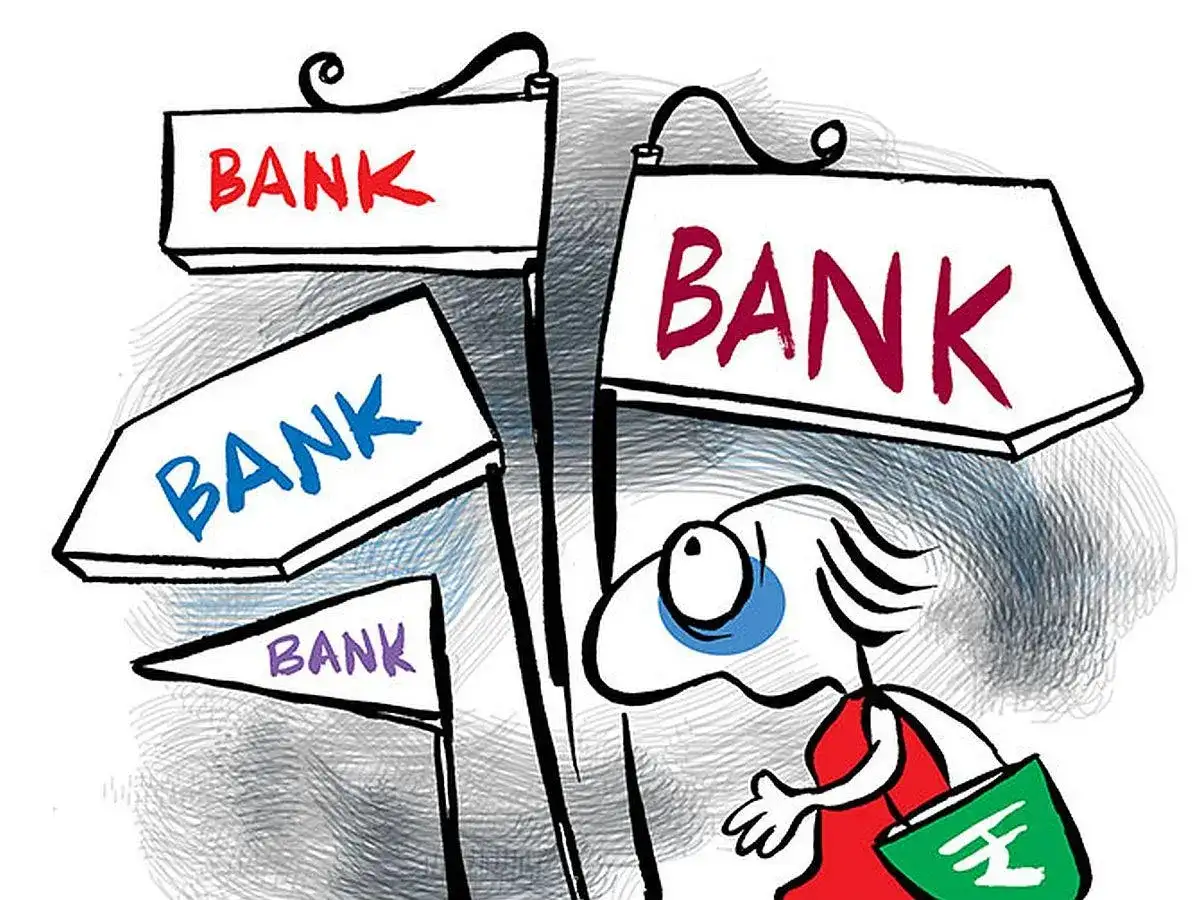
New Regulations Seek to Harmonize Customer Safety and Market Expansion
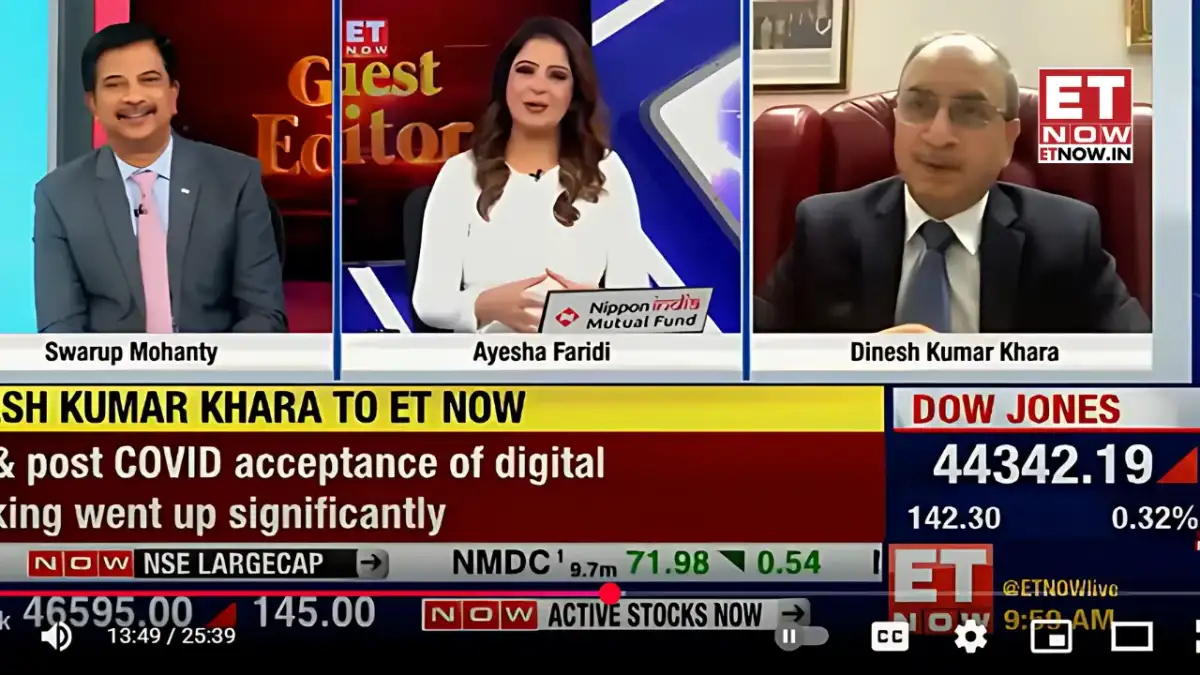
State Bank of India (SBI) Chairperson Dinesh Kumar Khara has indicated that recent guidelines issued by the Reserve Bank of India (RBI) are designed to strike a careful balance. These new rules are seen as an effort to bolster customer protection while simultaneously supporting the growth of the financial sector. Khara's remarks suggest a proactive approach by regulatory bodies to ensure that advancements in banking do not come at the expense of consumer welfare or market dynamism. The implications of these directives are being closely observed across the financial landscape, as they may alter existing banking practices and strategies.
Context of Regulatory Adjustments
The Indian financial sector has seen a series of regulatory updates aimed at fostering stability and resilience. The RBI’s new guidelines, particularly concerning increased credit risk weights on unsecured consumer loans, have been implemented in response to the rapid expansion of this lending segment. This move, announced in November 2023, aims to temper excessive growth and mitigate potential risks.
Read More: Lloyds Bank Sets £700 Cash Limit for Branch Withdrawals

Further aligning with a broader regulatory focus, Governor Sanjay Malhotra in April 2025 emphasized the RBI's commitment to financial inclusion, enhanced customer service, and robust protection. This echoes sentiments from the Economic Survey presented earlier that year, which called for a regulatory framework that nurtures growth while safeguarding stability.
In May 2024, SBI’s assessment of new project finance norms proposed by the RBI indicated an absorbable impact on provisions, suggesting banks' preparedness for evolving regulatory capital requirements. Additionally, in April 2025, the RBI introduced updated Liquidity Coverage Ratio (LCR) guidelines, aligning Indian banking practices with global standards to strengthen resilience against liquidity shocks.
Financial Impact and Bank Preparedness
The new RBI guidelines are projected to have a discernible financial impact on institutions like SBI.
Capital Allocation: SBI estimates an overall impact of 55 basis points on its capital due to the increased credit risk weights on unsecured loans. The bank foresees a need for an additional capital allocation of 130 basis points, a requirement that Dinesh Khara stated SBI does not anticipate posing a significant challenge.
Provisioning for Project Finance: Regarding the proposed norms on project finance and the Expected Credit Loss (ECL) framework, SBI possesses a provision buffer of ₹33,000 crore. This buffer is deemed sufficient to absorb the estimated additional provision requirement of ₹30,000 crore for its project finance book, valued at approximately ₹1.5 trillion. Khara indicated that while additional provisions can be managed, adjustments to loan pricing might be necessary.
Balancing Growth and Protection
Khara's statements underscore a deliberate strategy by the RBI to manage the dual objectives of financial sector growth and customer well-being.
Read More: India IVF Costs And Social Barriers Limit Access In April 2026

Unsecured Lending: The adjustment of credit risk weights on unsecured loans directly addresses concerns over rapid, potentially risky, expansion in this segment. This is part of a broader effort to ensure that growth is sustainable and risk-controlled.
Customer Trust: Stricter norms on mis-selling and revised rules for financing acquisitions are cited as measures aimed at enhancing customer trust and fostering domestic market development. This suggests a focus on transparent and ethical financial dealings.
Evolving Regulatory Landscape
The period under review has seen significant regulatory shifts aimed at modernizing the banking sector and aligning it with international benchmarks.
Liquidity Management: The introduction of new LCR guidelines in April 2025 represents a pivotal change, compelling banks to enhance their liquidity management strategies and bolstering their ability to withstand potential financial crises.
Technological Integration: Looking ahead, Dinesh Kumar Khara, in his capacity as ex-SBI Chairman, has pointed to the potential of integrating Artificial Intelligence (AI) and new technologies to optimize costs and redesign processes and products within the banking ecosystem. This suggests an awareness of how technology can support regulatory objectives and improve operational efficiency.
Expert Perspectives
Dinesh Kumar Khara (SBI Chairperson): He stated that the RBI's new guidelines are designed to "balance customer protection and growth." He further noted that SBI does not foresee challenges in meeting the new norms, estimating an overall impact of 55 basis points on capital and requiring an additional allocation of 130 basis points. Khara also mentioned that SBI has sufficient provisions to absorb impacts from new project finance norms.
Sanjay Malhotra (RBI Governor): He affirmed the RBI's focus on "wider financial inclusion and enhancing customer service and protection."
Conclusion and Forward Look
The recent directives from the Reserve Bank of India, as interpreted by SBI Chairperson Dinesh Kumar Khara, signal a regulatory approach geared towards sustained growth accompanied by strengthened consumer safeguards. The estimated capital and provisioning impacts are manageable for institutions like SBI, indicating a degree of preparedness for these evolving requirements. The ongoing recalibration of norms, from credit risk weights on unsecured loans to liquidity coverage ratios, points towards a financial ecosystem being intentionally shaped for greater resilience and ethical conduct. The push for enhanced customer service and protection, alongside advancements in liquidity management, suggests a strategic alignment with global best practices. Future developments may involve further integration of technology to support these regulatory objectives and operational efficiencies.
Read More: City Union Bank Q4 FY26 Profit Up 24.9%, Offers Bonus Shares
Sources
The Economic Times: Reports Dinesh Kumar Khara's view that RBI guidelines balance customer protection and growth, published recently. https://economictimes.indiatimes.com/markets/expert-view/dinesh-kumar-khara-says-rbis-new-guidelines-balance-customer-protection-and-growth/articleshow/128449486.cms
NDTV Profit: Details SBI Chairperson Dinesh Khara's assessment of the capital impact (55 basis points) of RBI's new guidelines on unsecured loans, published November 17, 2023. https://www.ndtvprofit.com/economy-finance/rbis-new-guidelines-to-have-capital-impact-of-55-basis-points-says-sbi-chairperson
Mint: Features RBI Governor Sanjay Malhotra's statement on the central bank's focus on customer service and protection, published April 1, 2025. https://www.livemint.com/economy/rbi-governor-sanjay-malhotra-bank-customer-service-rbi-agenda-financial-sector-regulation-11743500545154.html
Business Standard: Reports SBI Chief Dinesh Khara's assertion that the bank can absorb additional provisions required by RBI's project finance norms, published May 9, 2024. https://www.business-standard.com/industry/banking/rbi-s-project-finance-norms-will-absorb-extra-provision-says-sbi-chief-1240509011611.html
MINDCRON: Discusses the RBI's new LCR guidelines and their potential impact on India's banking liquidity framework, published April 23, 2025. https://mindcron.com/rbi-new-lcr-guidelines-banks-liquidity/
The Economic Times: Provides an overview of recent news, including Dinesh Kumar Khara's comments on RBI regulations affecting how banks operate, published 5 hours ago. https://economictimes.indiatimes.com/topic/times-of-india-right-now/news