

New scientific insights are illuminating the intricate and peculiar chain of events that led to a rare but severe blood clotting disorder following some COVID-19 vaccinations. The focus is squarely on the peculiar behavior of the immune system, specifically on antibodies that mistakenly target the body's own components.
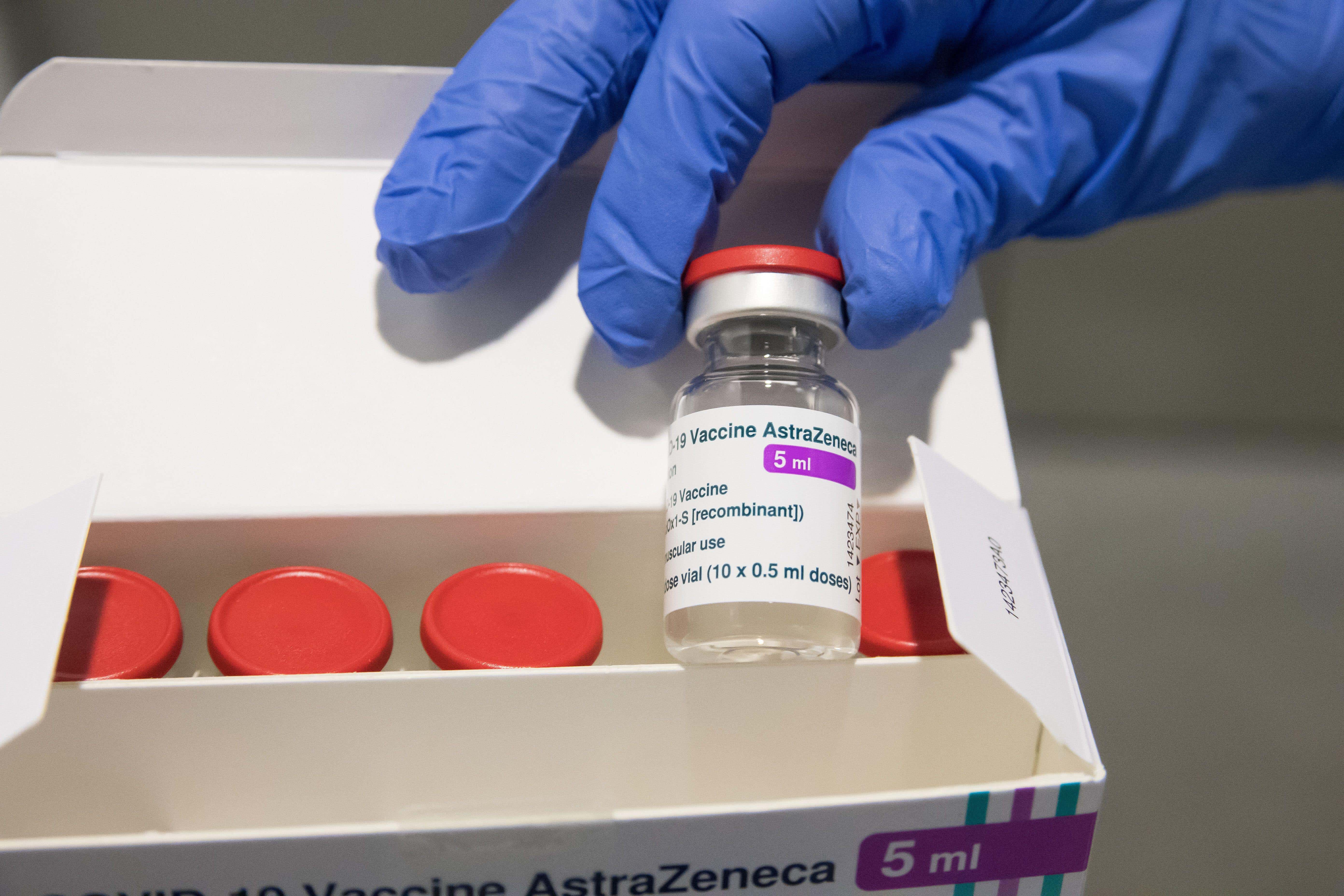
The mechanism appears to involve the immune system generating antibodies that latch onto a human protein called platelet factor 4 (PF4). In a subset of individuals who received adenovirus-based vaccines like AstraZeneca (AZD1222) and Janssen, these rogue antibodies, in conjunction with other immune system actions, triggered a dangerous cascade resulting in vaccine-induced immune thrombotic thrombocytopenia (VITT).
This disorder, characterized by abnormal blood clot formation, has been linked to an increased risk of arterial and venous thrombosis, potentially blocking blood vessels, including in the brain. Researchers found that while antibodies recognizing PF4 are a normal part of immune responses, in VITT cases, these antibodies become unusually "sticky." This happens when the immune system is prompted by the vaccine to create antibodies with an excess negative charge, a consequence of molecular mimicry where vaccine components resemble human proteins.
The findings suggest that this phenomenon was primarily associated with specific vaccine technologies. Subsequent doses of the AZD1222 vaccine, or any doses of mRNA-based vaccines, did not show the same increased risk. This distinction is critical for understanding vaccine safety profiles and public health considerations.

A Complex Immune Misstep
The process leading to VITT is not a simple error but a confluence of factors. During normal immune responses, the body refines antibodies through minor genetic changes in antibody-producing cells to better fight infections. However, in VITT, these changes, when coupled with the adenovirus vaccine's genetic material, seem to go awry.
Researchers discovered that recombinant VITT antibodies attached to an adenovirus protein called protein VII (pVII).
This interaction then caused the antibodies to bind to PF4, a human clotting factor, instead of a viral protein.
All individuals diagnosed with VITT in one study possessed specific genetic variants in their light chain gene, including a negatively charged amino acid at position 50, which may predispose them to this immune reaction.
Contextualizing the Risk
While VITT represents an extremely rare side effect, occurring in approximately 1.4 people per 100,000 who received certain vaccines, the research offers valuable insights. It helps differentiate the risks, confirming that the risk of blood clots after COVID-19 infection is higher compared to the risk associated with vaccination.
Read More: Chickpeas Grow in Moon Soil for Future Astronaut Food
This improved understanding has significant implications:
It supports current treatment choices for patients experiencing VITT.
It aids in refining vaccine safety monitoring and public health policies.
It advances the knowledge base for treating rare clotting disorders.
The study, involving major analyses from the Thrombotic Thrombocytopenia Syndrome (TTS) Consortium, published in journals like Efficacy and Mechanism Evaluation, represents a substantial step in unraveling the complexities of VITT.