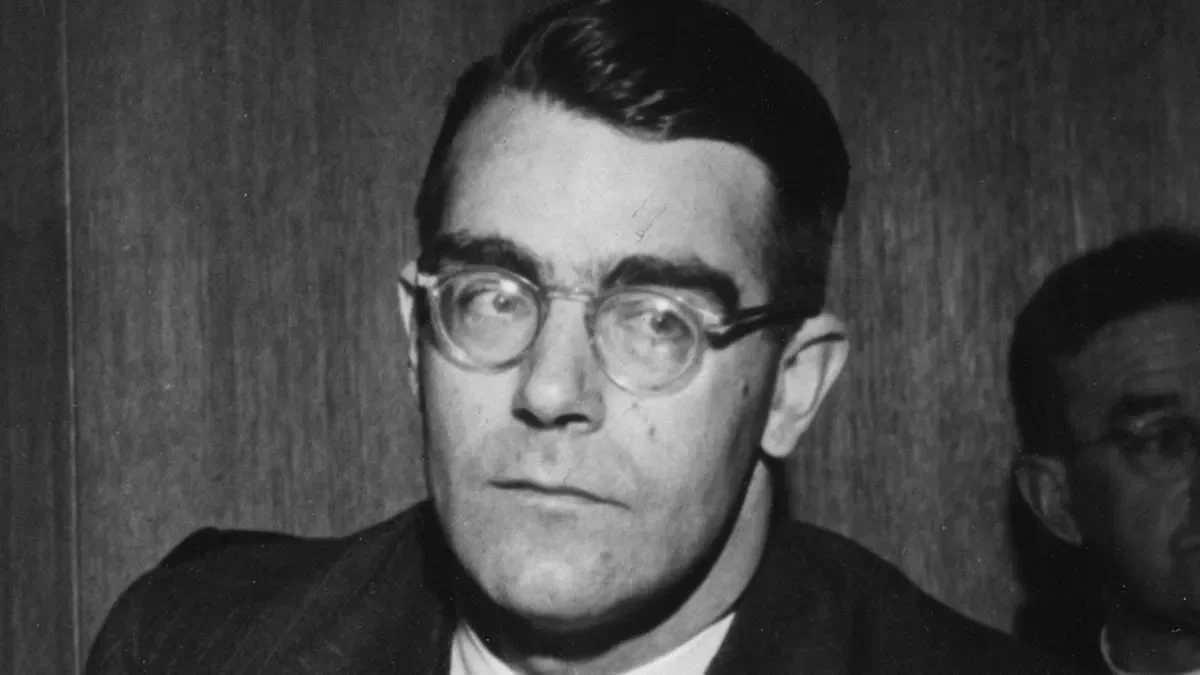
Ralph Harry, a man known to the public and his own family as a standard-issue Australian diplomat, lived a parallel existence as a primary architect for the Australian Secret Intelligence Service (ASIS). His son, John Harry, recently released a memoir detailing a childhood spent in the quiet of a father who was not there even when he occupied the room. This discovery, made decades after the fact, highlights a specific type of manufactured mundanity used by the state to mask the machinery of intelligence gathering.
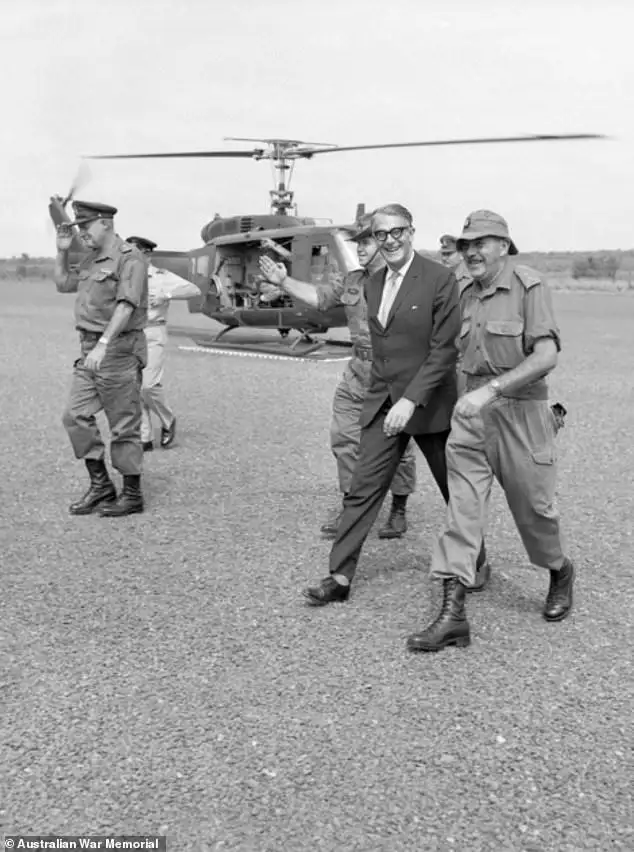
The elder Harry’s career was a study in grayness. While he moved through high-level diplomatic circles, his actual function involved the building of a spy network that remained invisible to his own household. This separation of the public "servant" from the private "man" creates a fracture in the family unit that often only mends through the late-stage publishing of memoirs.
Read More: Acting DNI Pulte Fires Dozens of Intelligence Officials Starting Thursday
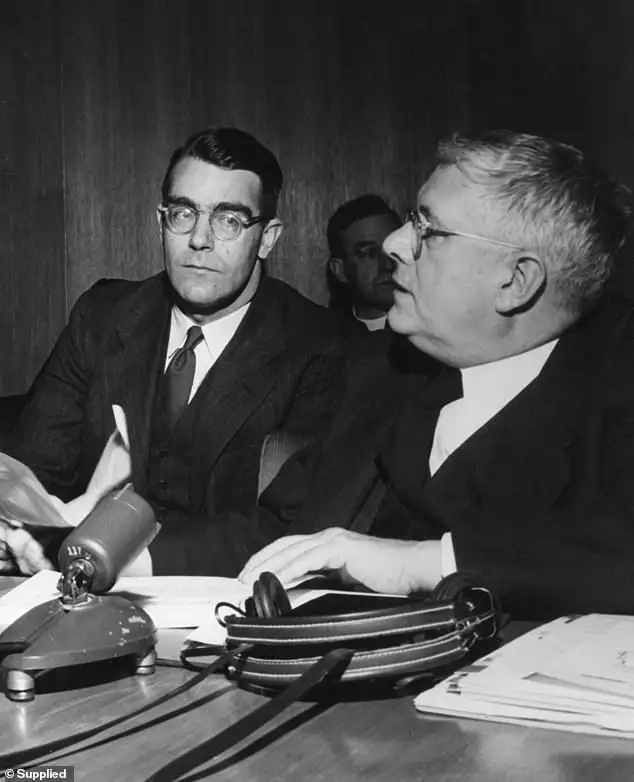
"A valet was expected to foresee any possible need of his master before asked… he never assumed his time was free."
The Veneer of Service: Like the historical valet, the intelligence officer exists in a state of 24/7 readiness where the self is deleted.
The Cost of Silence: Secrets kept from family are not merely professional requirements but tools of emotional distance.
The Late Reveal: These "incredible" secrets usually surface only when the actors are dead or the documents are too yellowed to cause immediate political fire.
The Architecture of Invisibility
| Identity | Public Function | Private Reality |
|---|---|---|
| The Diplomat | Attending galas, writing bland memos. | Recruiting assets, managing "black" budgets. |
| The Father | A "dull" presence, provider of stability. | A stranger to his son, ghosting through the house. |
| The Servant | Obedience to the State. | Absolute control over the narrative of the home. |
The mechanism of secrecy in the Harry household mirrors the isolation seen in colonial settings, where the death of a caregiver or the absence of a parent is met not with explanation, but with a hollowed-out silence. In these environments, children like John Harry or the fictional orphans of the Secret Garden era find themselves "staring at the wall," waiting for a rustle in the matting to explain why their world is empty. The state, much like the "master" of a grand house, demands a servant who has no life of his own.
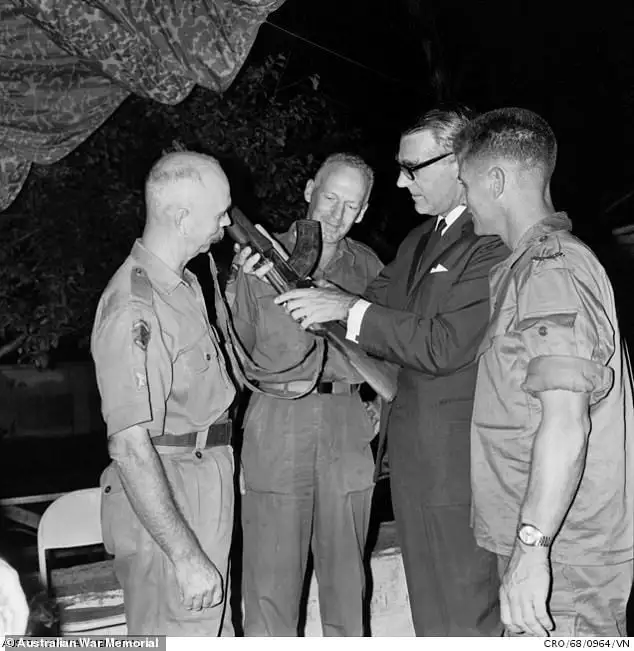
The Memoir as Vengeance or Validation
History suggests that those kept in the shadows of "great men" eventually use the pen to claw back some sense of reality. Just as Paul Burrell or Anne Tennant stripped the gloss from the Royal Family to reveal a messy, violent, and expensive interior, children of the Cold War intelligence apparatus are now performing a similar autopsy on their fathers.
Read More: C.S. Lewis's Change From Atheism to Christianity Explained
Diana’s Revenge: Servants noted how she used the divorce to drain the royal purse.
The Stick and the Stone: Ladies-in-waiting recorded the physical abuse hidden behind palace gates.
The Spy’s Ledger: For the Harry family, the "juicy secret" is not about sex or money, but the theft of a father’s time and truth by a government agency.
The reality of the public servant is a performance of the dull. When the mask slips, it reveals not a monster, but a void where a parent should have been. These memoirs do not just tell "secrets"; they document the human cost of the state’s need for shadows.
Background: The Mechanics of the Hidden
The role of a valet or a high-level spy is fundamentally the same: both must foresee needs without being noticed. Ralph Harry served at a time when ASIS was an organization that officially did not exist. To maintain that lie, he had to become a lie himself. This recent memoir by his son is part of a larger trend of "servant literature" where the invisible people finally speak, usually after the master is no longer there to throw a stick or demand a fresh suit.
Read More: New York City Mamdani Administration Fights for 9/11 Records