


On Sunday, Palestinians on both sides of the Gaza-Egypt border attempted to use the Rafah crossing, a vital passage that reopened recently. This effort to cross comes as the operation faces notable delays and confusion, impacting those seeking to leave Gaza for medical treatment or to return to the Strip. The situation highlights the complex interplay of humanitarian needs and security considerations governing movement through this key border point.

The Rafah crossing, a critical artery for movement between Gaza and Egypt, reopened recently, allowing limited passage. However, recent attempts by Palestinians to cross on Sunday have been met with delays and uncertainty, affecting both those seeking to leave Gaza and those wishing to return.

Background: A Crucial Lifeline Faces Hurdles
The Rafah crossing, the sole passage between Gaza and Egypt not controlled by Israel, is a significant lifeline for the Strip. Its operation has been fraught with challenges, particularly since the start of the current conflict. The crossing's reopening was a stated requirement for a U.S.-backed ceasefire, and its functionality is closely watched.
Read More: Kim Jong Un's Daughter May Be Next Leader of North Korea
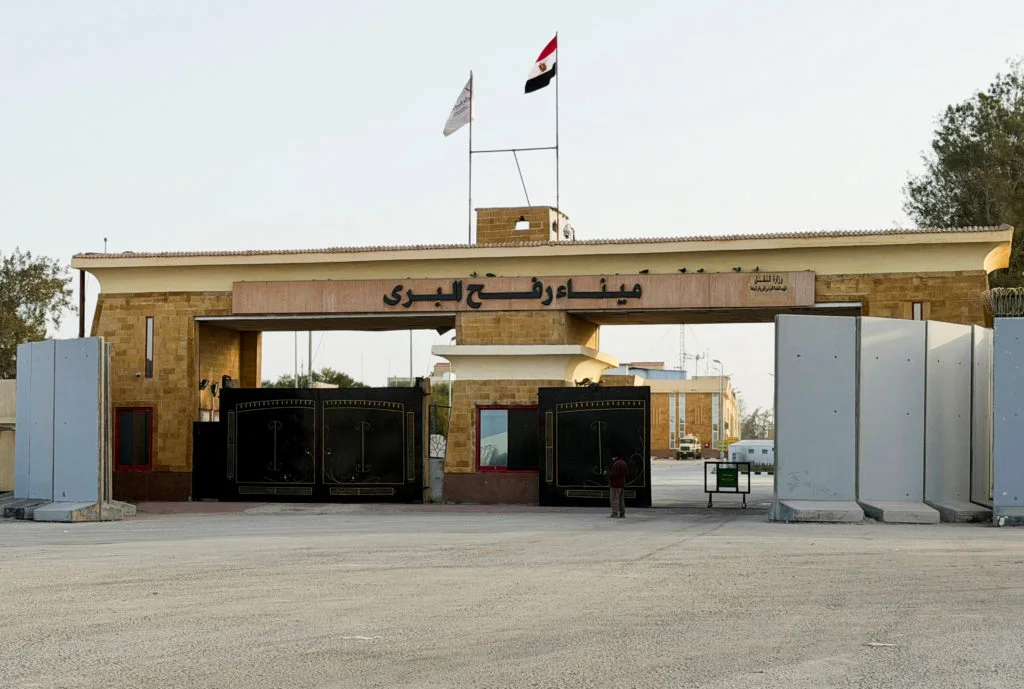
Timeline of Reopening: The crossing reopened in early February 2024 for limited passage, after being closed.
Preconditions for Opening: The reopening appears linked to specific events, including the retrieval of a hostage's body and diplomatic pressure from U.S. officials.
Stated Purpose: A key aim of the reopening is to facilitate medical evacuations for those in Gaza unable to receive necessary treatment within the territory.
Reports of Attempts to Cross
On Sunday, numerous Palestinians converged at the Rafah crossing. Reports indicate:

Gaza to Egypt: Palestinians seeking medical care, unavailable in Gaza, gathered on the Gaza side, hoping to be allowed passage to Egypt. Many are among an estimated 20,000 people in Gaza who need to leave for medical reasons.
Egypt to Gaza: A group of Palestinians also arrived at the Egyptian side of the crossing, intending to return to the Gaza Strip.
Limited Initial Passage: Upon its initial reopening last week, only a few Palestinians were permitted to cross in each direction.
Delays and Confusion Cloud Operations
Despite the reopening, significant obstacles and a lack of clarity have characterized the crossing's operation:
Read More: USA and Iran Talk About Nuclear Program
Intermittent Closures: The crossing was reportedly closed on Friday and Saturday, preceding the attempts to cross on Sunday, contributing to confusion.
Disagreements on Allowances: Delays on Monday were attributed to disagreements over luggage allowances.
Vetting and Approval: Israeli and Egyptian officials tightly control who can cross. Departures from Gaza require both Israeli and Egyptian security approval.
" tit-for-tat" Admissions: Reports suggest that for every Palestinian admitted to Egypt, Israeli authorities allowed one additional person into Gaza, drawing out the process. Israeli officials stated that no Palestinians would be allowed to enter Gaza until all departures were complete.
Humanitarian Impact and Concerns
The limited functionality of the Rafah crossing has significant implications for those in desperate need of medical attention:
Low Numbers Allowed Through: In the first four days of operation, only 36 Palestinians needing medical care were allowed to leave Gaza for Egypt, along with 62 companions. This number is significantly lower than the expected capacity.
"Massive Trepidation": While the reopening offers a sliver of hope, a senior UN official noted it is met with both optimism and "massive trepidation" due to the operational challenges and uncertainty.
Conditions for Returnees: Reports from three women who crossed into Gaza on Monday described being blindfolded, handcuffed, interrogated, and threatened by Israeli troops for several hours before their release.
Differing Perspectives on Crossing Management
Information from various sources highlights distinct approaches and stated reasons for the current procedures:
Read More: People Protest Worldwide Due to Money Problems
| Actor | Stated Actions/Concerns | Reported Outcomes |
|---|---|---|
| Israeli Officials | Insist on completion of all departures before allowing entry into Gaza; require security approval. | Slowed movement; restricted numbers. |
| Egyptian Officials | Desire immediate opening in both directions for Palestinian entry into Gaza. | Facilitated passage for some seeking medical care on the Egyptian side. |
| Palestinian Officials | Report nearly 20,000 individuals seeking medical care abroad. | Significant backlog of individuals needing to leave for treatment. |
| UN Officials | Support medical evacuations; note optimism mixed with "massive trepidation." | Over 18,500 patients, including 4,000 children, waiting for treatment abroad. |
| U.S. Officials | Pressed for the opening of the crossing as part of a ceasefire agreement. | Crossing reopened, but with limitations and delays impacting its effectiveness. |
Expert Analysis on Crossing Operations
The current situation at the Rafah crossing points to a deliberate, albeit slow, process of managing movement. The emphasis on security vetting and the phased approach, where departures are prioritized over arrivals, suggests a strategy aimed at maintaining control over who transits the border.
Conclusion and Implications
The recent attempts by Palestinians to cross the Rafah border highlight a critical humanitarian issue intertwined with security protocols. While the crossing has reopened, its limited and often uncertain operation significantly impedes the urgent medical needs of many in Gaza. The discrepancies in reported numbers allowed through and the instances of delays and stringent vetting procedures indicate ongoing challenges.
Read More: Many Countries Disagree with Israel's West Bank Actions
Humanitarian Need vs. Security: The core tension appears to be balancing the urgent humanitarian need for medical evacuation against Israeli and Egyptian security concerns.
Impact on Ceasefire: The functionality of this crossing is linked to a U.S.-backed ceasefire, suggesting its smooth operation is a significant diplomatic consideration.
Future Uncertainty: The controlled nature of the reopening, with requirements for Israeli and Egyptian security approval, raises questions about the long-term accessibility and reliability of this vital passage.
Sources
The Independent: Palestinians attempt to use Gaza's Rafah Border crossing amid delays - https://www.independent.co.uk/news/world/americas/palestinians-gaza-egypt-israel-benjamin-netanyahu-b2916163.html
PBS NewsHour: Gaza's Rafah border crossing has reopened but few are allowed through - https://www.pbs.org/newshour/world/gazas-rafah-border-crossing-has-reopened-but-few-are-allowed-through
Associated Press (AP): Palestinians attempt to cross between Gaza and Egypt at the Rafah border crossing - https://apnews.com/article/mideast-gaza-egypt-rafah-crossing-medical-treatment-397a2323fb7ef85d274d682258b4a0eb
Associated Press (AP): Palestinians wait at border between Gaza and Egypt as uncertainty clouds reopening of Rafah crossing - https://apnews.com/article/rafah-gaza-israel-palestinians-egypt-crossing-fb4fb8edf3ffd227a576cf01f8ce9b64
UN News: Gaza: Limited Rafah crossing reopening sparks hope – but also ‘massive trepidation’ - https://news.un.org/en/story/2026/02/1166872
PBS NewsHour: What to know about the Rafah border crossing, Gaza's lifeline to the world that could reopen soon - https://www.pbs.org/newshour/world/what-to-know-about-the-rafah-border-crossing-gazas-lifeline-to-the-world-that-could-reopen-soon
Los Angeles Times: Palestinians wait at Gaza-Egypt border as uncertainty clouds reopening of Rafah crossing - https://www.latimes.com/world-nation/story/2026-02-03/palestinians-line-up-to-cross-rafah-after-rocky-first-day-of-reopening-of-gaza-egypt-border-crossing
Read More: Memorial for Nightclub Fire Victims Burns Down Again




:max_bytes(150000):strip_icc():focal(612x1166:614x1168)/Switzerland-accident-fire-020826-02-7cbc5d49ad0f413883178cfd825a77de.jpg)

