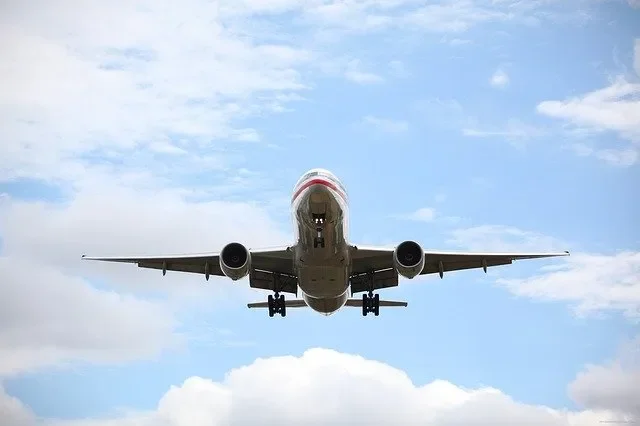
Qantas faces increased costs and shifting demand dynamics, with geopolitical events and currency fluctuations cited as significant factors. The airline's profit performance is notably sensitive to oil prices, which constitute approximately one-third of its operational expenses. Recent geopolitical tensions, particularly those involving Donald Trump's actions concerning Iran, have reportedly accelerated a projected timeline of "seven-year shocks" for the industry.
The airline's vulnerability to oil price fluctuations is amplified by its refinery margins, as not all fuel costs are hedged. While a substantial portion of Qantas' fuel expenditure is covered by hedging strategies, this protection does not extend to the costs associated with refining crude oil into aviation fuel. This gap leaves the carrier exposed to the volatility of the oil market, a situation mirrored by other airlines like Air New Zealand, Hong Kong Airlines, Air India, and SAS, which have also responded with fare hikes or fuel surcharges.
Read More: Fresno Airport $85 Million Funding Boost Improves Travel in April 2026
US Operations: A Dual Reality
Despite broader concerns about economic headwinds, Qantas is simultaneously increasing capacity on its flights to the United States. The airline has reintroduced the Airbus A380 service on the Sydney to Dallas/Fort Worth route and plans to operate daily services between Sydney and New York via Auckland, coinciding with the FIFA World Cup hosted by the US. This move suggests an expectation of sustained or growing demand from American travellers.
Travel agents, however, report that Donald Trump's immigration policies are deterring visitors to the US, creating a conflicting narrative with Qantas' capacity expansion.
Currency Woes and Domestic Fares
Further compounding Qantas' challenges are the impacts of currency depreciation. The Australian dollar has fallen significantly against the US dollar, a trend attributed in part to Donald Trump's tariff policies. This weakens the Australian aviation sector, with Qantas being particularly exposed.
The falling Australian dollar contributes to rising airfares, a situation exacerbated by the existing domestic airline market structure. Government data indicates a continued climb in airfares, alongside the ongoing consolidation of the domestic market among Qantas and Virgin Australia.
Read More: FIFA World Cup 2026 Revenue Reaches $15 Billion With New Ticket Prices
Historical Context: Past Leadership and Future Trajectories
The mention of Alan Joyce, the former CEO of Qantas, resurfaces in discussions about the company's future, though specific details regarding his potential return to the industry remain scarce. The period under his leadership was marked by significant strategic decisions and market conditions that continue to inform the airline's present circumstances. The airline's strategic responses to these complex and often contradictory market signals will be critical in navigating the anticipated "seven-year shocks."