Punjab and Islamabad have declared public transport free for one month, a move framed as relief amid a widening energy crisis. The announcements, made by Chief Minister Maryam Nawaz Sharif in Punjab and Interior Minister Mohsin Naqvi for Islamabad, coincide with significant fuel price hikes and growing regional instability impacting energy supplies.
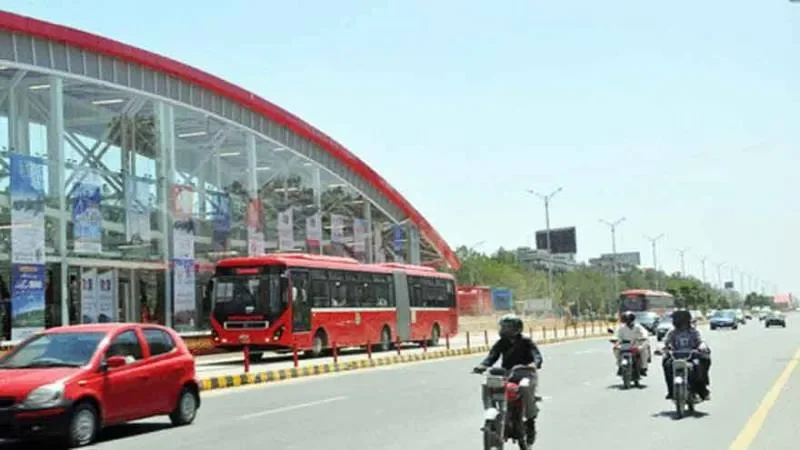
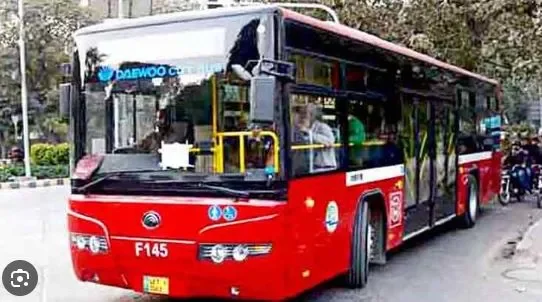
In Punjab, this free service covers the Orange Line Train, Metro Bus, Speedo Bus, and Green Electric Bus systems. Similarly, residents of Islamabad will be able to use government-operated buses without charge. This measure is presented as part of Prime Minister Shehbaz Sharif's broader austerity and savings program.
Beyond public transport, measures to address the fuel crunch extend to other sectors. Farmers in Punjab are slated to receive a subsidy of Rs 100 per liter on diesel. These initiatives follow declarations of a two-month national austerity plan and, more acutely, 10-day emergency holidays across the nation due to a petrol shortage, which has led to widespread closures of educational institutions, government offices, and businesses.
Read More: Stan App Only Works on Wi-Fi in Grand Nancy

Underlying Pressures
The escalating energy crisis in Pakistan appears directly linked to geopolitical shifts in the Middle East. Reports indicate that the conflict involving the US and Iran, and the resultant impact on the Strait of Hormuz, a crucial oil transit route, have triggered volatility in global oil prices. This has led to a substantial increase in fuel costs within Pakistan, with petrol prices reportedly rising by 43% and diesel by 55%.
This economic pressure is exacerbated by Pakistan's reliance on fuel imports. The country's "fragile economy" faces mounting challenges from inflation, uncertain supply chains, and increased import costs, underscoring structural weaknesses. Concerns about fuel availability have been growing, with reports of some petrol stations running out of fuel and questions about the duration of Pakistan's fuel reserves.
Austerity and Broader Implications
The free public transport and fuel subsidies are part of a wider strategy of austerity and energy conservation. Previous measures included limited use of government vehicles and school closures, with higher education institutions shifting to online classes. While such measures aim to conserve fuel, they also raise concerns about educational access, potentially marginalizing vulnerable groups. Alternative solutions, such as targeted subsidies for school transport, have been suggested to mitigate energy consumption without compromising educational continuity.
Read More: 40 Die in Quetta to Peshawar Bus Crash in Balochistan on April 3 2026
Historically, Pakistan has faced energy deficits. Reports from July 2016 highlighted a power supply shortage of around 4,480 MW, with demand at approximately 14,680 MW and supply at 10,200 MW. This underlying issue of energy infrastructure and supply appears to be compounded by the current global energy market instability. The International Monetary Fund (IMF) has also warned that vulnerable economies, like Pakistan, are under pressure from rising energy costs, supply chain disruptions, and inflation.