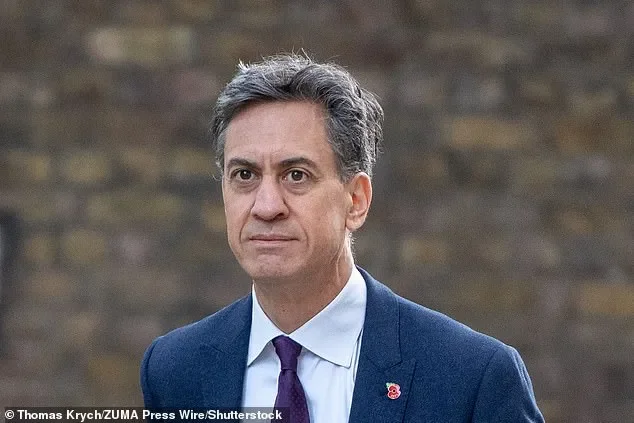
A proposal for prisoners serving up to four years to gain voting rights is stirring significant debate, with the Green Party reportedly pushing for a vote on the matter in Parliament. Critics frame the move as a tactical maneuver by Zack Polanski, a prominent Green Party figure, aimed at reshaping the electoral landscape to their perceived advantage. A government source voiced skepticism, stating, "If extending the vote to all prisoners serving up to four years is what Green MPs want to prioritise, it tells you everything you need to know. They are simply not a serious party of government." The proposal specifically targets enfranchising individuals serving sentences of this duration for both local and national elections.
The potential enfranchisement of around 28,000 inmates if sentences up to four years are considered, a figure including thousands convicted of violent and sex crimes, has become a focal point. This number represents approximately 130 prisoners per constituency, a quantity theoretically sufficient to sway outcomes in a handful of closely contested seats. However, the implications extend beyond immediate electoral arithmetic. A core concern for some parliamentarians is the overarching influence of European courts on domestic legislation, particularly following rulings from the European Court of Human Rights (ECtHR). These judgments have previously deemed blanket bans on prisoner voting as indiscriminate and disproportionate, potentially opening avenues for inmates to seek compensation if denied the franchise.
Read More: AI Political Ads Now Require Disclaimers on Meta and Google in 2024
The debate around prisoner voting is not new and has seen various developments and distinctions across the UK. In Scotland, prisoners ordinarily resident there and serving sentences of less than 12 months are already eligible to vote in Scottish Parliament, local, and national park elections. This move aligns with the ECtHR's emphasis on avoiding indiscriminate bans. The Senedd Cymru (Welsh Parliament) has indicated that reforming prisoner voting rights for devolved elections is a long-term priority, though no concrete changes have yet been implemented.
Read More: UK Homeowners Face New 'Fleecehold' Property Charges From Private Contracts

Further complicating the picture, the UK currently allows individuals on remand or awaiting sentencing to vote, but this right is not universally extended to all incarcerated individuals. Historical contexts also show shifts; for instance, in Guernsey, prisoners already possess the right to vote in their home districts. Proposals considered in the past, such as barring offenders sentenced to four years or more from voting, have been met with the argument that enfranchising those serving under four years represents a "step in the right direction" according to organizations like the Prison Reform Trust. However, even these measures have been scrutinized for their alignment with European court judgments requiring broader prisoner enfranchisement.
Read More: UK AI Ambitions Face Energy Worries from Data Centre Power Needs
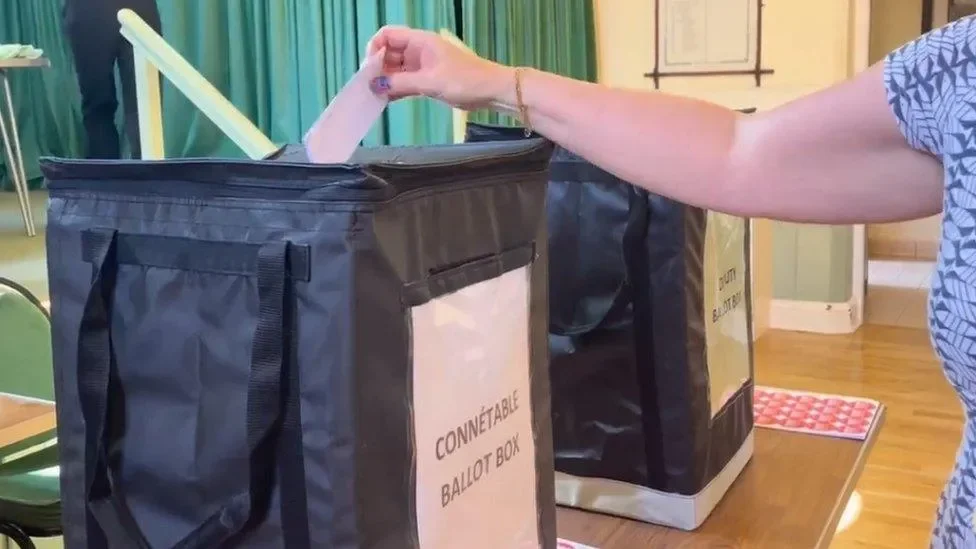
The practicalities of implementing such changes also raise questions. Modifications to postal voting procedures, such as requiring ballots to be returned at least two working days before an election, and reserving home visits for only those unable to attend polling stations due to unforeseen circumstances, have been discussed as part of broader electoral reform considerations. The extent to which these changes might affect the electorate, and indeed the political discourse surrounding them, remains an unfolding narrative.