
Government figures are reportedly frustrated by Energy Secretary Ed Miliband's focus on the power needs of data centres, which some suggest could undermine efforts to bolster the UK's artificial intelligence sector. Miliband's emphasis on the substantial electricity requirements of these facilities has been met with accusations of deliberately casting doubt on their feasibility, potentially hindering investment in a field where the UK aims to compete with global leaders like the United States and China.
Sources close to Chancellor Rachel Reeves and Science and Technology Secretary Liz Kendall are understood to be irked by Miliband's stance. They view his pronouncements not as neutral statements of fact, but as deliberate attempts to create apprehension. A Whitehall insider characterised Miliband's comments as "not helpful to investment," implying a calculated effort to impede the AI agenda. However, a representative for Miliband countered this, stating it is "not ambivalent to state a scientific fact" regarding the power demands.
Read More: NVIDIA GTC 2026: Physical AI Moves Robots From Labs to Real World
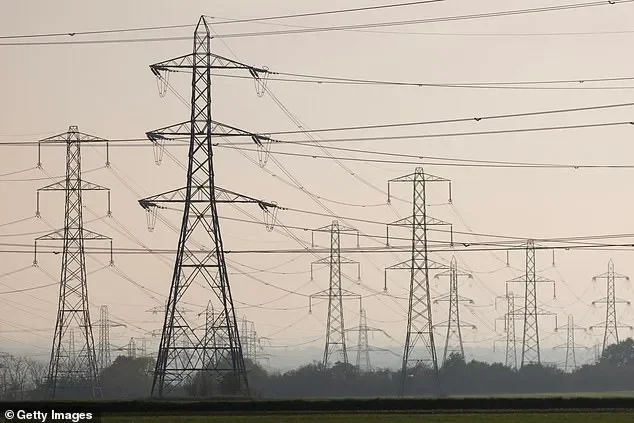
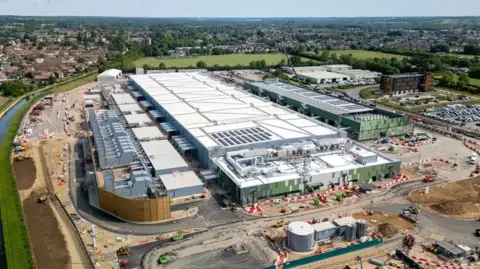
The crux of the issue lies in the projected energy consumption of data centres. Ofgem, the energy regulator, has flagged that approximately 140 proposed data centres are seeking grid connections, collectively demanding around 50 gigawatts of capacity at peak times. This figure significantly surpasses the nation's current peak electricity demand by approximately 5 gigawatts. This burgeoning demand has prompted MPs to launch a new inquiry into the environmental impacts of data centres, with Miliband's committee set to examine their energy and water usage and the implications for the UK's 'net zero' targets.

Political Maneuvering and Investment Figures
Despite these concerns, AI firms are making substantial global commitments, with projections indicating over £3 trillion in spending on data centres worldwide. Within the UK, commitments are reported to exceed £45 billion, even with high electricity prices. Miliband's own department has been involved in reforms aimed at prioritising grid connections for "industries of the future" like data centres, AI, solar, and wind, while also seeking to cut "zombie projects" that hold up the queue.
Read More: Angela Rayner and Sam Tarry's Paris Trip: Spam Meal Costs 50 Euros, Mascot Lost
Miliband's commentary on data centres emerged in correspondence with MPs who had raised questions about their exclusion from government 'net zero' strategies. In a letter, he noted that while government modelling accounts for data centre emissions through broader electricity demand projections, "future demand from data centres, and interaction with wider energy system demands, remains inherently uncertain." This assertion has been interpreted by some as an attempt to sow seeds of doubt regarding the future viability of these centres.
Background: The AI Race and Energy Infrastructure
The debate unfolds against a backdrop of intense global competition in the AI sphere. Companies like Nvidia, a major AI chip manufacturer, have identified the UK's potential to become an "AI superpower," while also acknowledging that electricity prices pose a "challenge." Jensen Huang, Nvidia's boss, has suggested that some AI firms might develop their own on-site energy generation capabilities.
Read More: HP Pavilion Gaming Laptop GPU Disappears After BIOS Update
Simultaneously, there are warnings that Britain may require additional gas power stations to support its AI infrastructure ambitions, a stance that appears to clash with the UK's 'net zero' objectives. Ed Miliband has previously pledged a ban on fracking, aligning with Labour's broader policy on natural gas extraction. Meanwhile, a think tank associated with former Prime Minister Tony Blair has called for a shift away from Miliband's clean energy strategy towards a focus on cheaper power sources, citing the energy production strategies of the US and China as models for hard power. Some critics have also pointed to the need for increased domestic oil and gas production to bridge energy gaps during the transition.