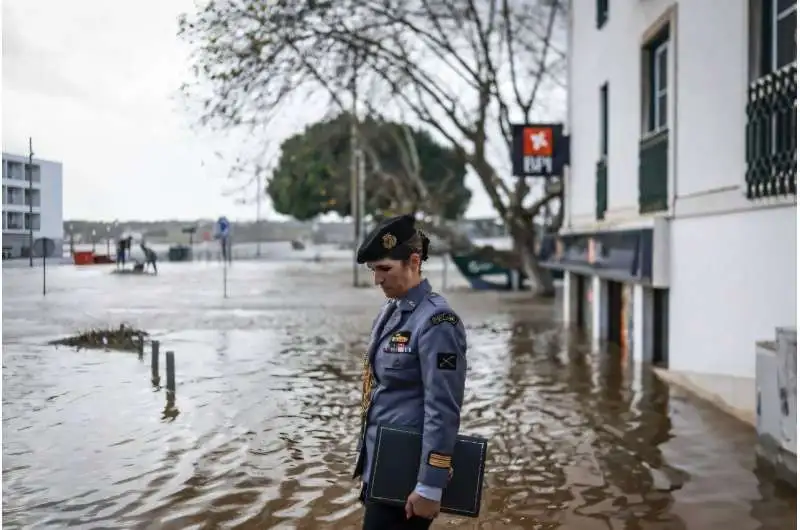
LISBON, PORTUGAL - As Portugal prepares for a critical presidential run-off election this Sunday, a ferocious storm named Leonardo is battering the Iberian Peninsula, unleashing torrential rains, gale-force winds, and widespread flooding. The unprecedented weather event has already claimed lives, forced thousands to evacuate their homes, and thrown into question the very feasibility of holding a democratic election under such chaotic and dangerous conditions. While electoral authorities insist the vote will proceed, a growing chorus of voices, fueled by mounting safety concerns and logistical nightmares, are calling for a postponement. Is a nation meant to choose its leader while battling the fury of nature?
The Perfect Storm: A Nation Under Siege
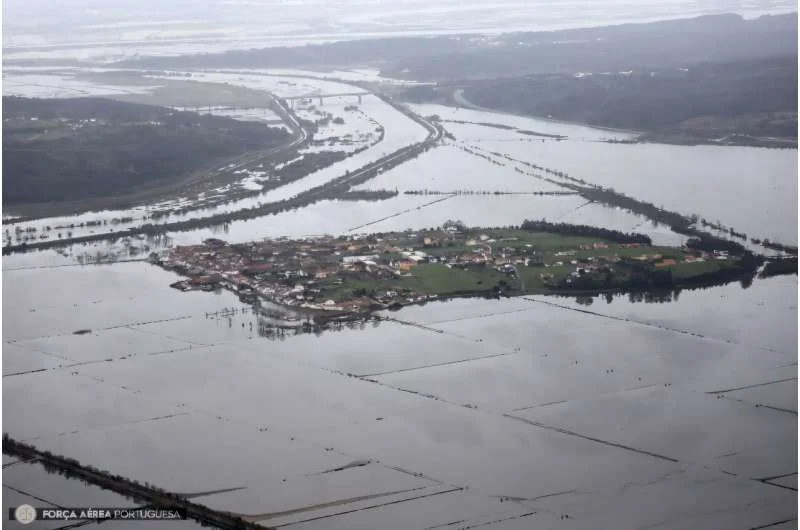
Storm Leonardo, described as bringing the equivalent of three days of rain in a single 24-hour period, has descended upon Portugal and Spain with alarming intensity. Its arrival is particularly disruptive as it coincides with the second round of Portugal's presidential election, scheduled for Sunday, February 8th. The storm's impact has been devastating:
Read More: Taiwan Holds Nantou County Drills to Prepare for State Collapse
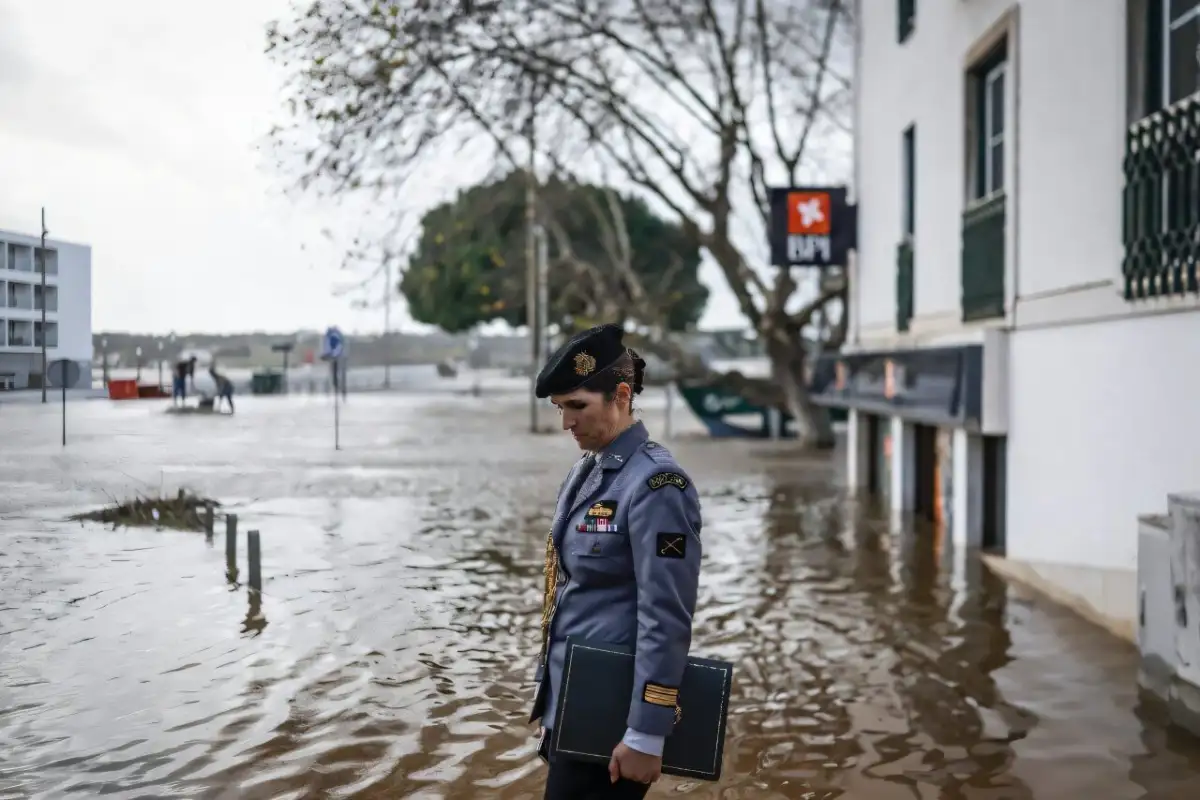
Fatalities and Disappearances: At least one person has been confirmed dead in Portugal, and a young girl remains missing in the Andalusia region of Spain, feared drowned.
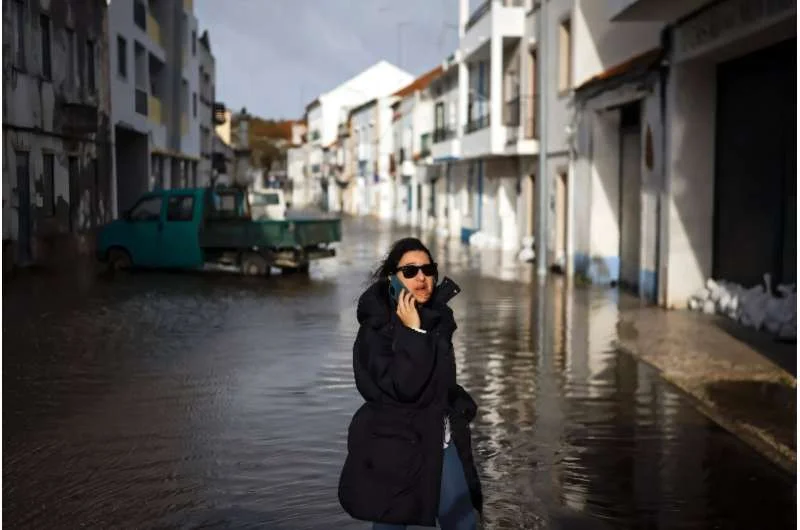
Mass Evacuations: Over 7,000 people have been forced to flee their homes in Andalusia alone, with emergency services dealing with over 3,200 incidents, including floods, landslides, and building collapses.
Infrastructure Disruption: High winds are causing sea turbulence, hindering traffic, while heavy rains have led to road and rail disruptions, raising serious questions about voters' ability to reach polling stations.
River Flooding: Portugal's National Civil Protection has issued its highest flood alert for the Tagus River in the Santarém region, forcing evacuations near its banks. Civil Protection Chief Mario Silvestre stated this is the worst flood threat along the Tagus in nearly three decades.
A History of Extreme Weather and Election Day Hurdles
This isn't the first time extreme weather has threatened to disrupt democratic processes in Europe. While Leonardo's scale is significant, the tension between natural disasters and electoral mandates is a recurring theme.
Past Incidents: Remember Hurricane Ophelia in 2017? It caused significant power outages and travel chaos across Ireland just days before a national referendum. Similarly, heavy snowfall has led to polling station closures and delayed results in various countries over the years.
The Challenge of Access: The core issue remains: how can citizens exercise their right to vote if they are evacuated, if roads are impassable, or if polling stations themselves are flooded or inaccessible? The fundamental principle of democracy is the ability for all eligible citizens to cast their ballot safely and freely.
Precedent for Postponement: While rare, electoral postponements due to unforeseen crises are not unheard of. Debates often arise around whether the disruption is significant enough to prevent a fair and representative outcome.
| Event/Concern | Description | Potential Impact on Election |
|---|---|---|
| Torrential Rainfall | Equivalent of three days' rain in 24 hours, leading to rapid urban flooding and overflowing rivers. | Polling station inundation, inaccessible roads to polling stations, safety risks for voters and election officials. |
| Gale-Force Winds | Increased sea turbulence, potential for power outages affecting electronic voting systems and communication. | Disruption to transport, potential damage to polling infrastructure, challenges for officials travelling to remote areas. |
| Landslides & Building Collapses | Widespread damage reported in Andalusia, Spain. | Destruction of polling infrastructure, immediate danger to communities, displacement of voters. |
| Evacuations | Over 7,000 people evacuated in Andalusia, thousands more potentially displaced. | Large numbers of citizens unable to reach their registered polling stations, disenfranchisement of affected populations. |
| Transportation Disruption | Road and rail links heavily impacted. | Difficulty for voters in affected regions to travel to polling stations, challenges for election officials and ballot transportation. |
The Unwavering Stance: "Business as Usual" at the Ballot Box?
Despite the clear dangers and logistical quagmires presented by Storm Leonardo, Portugal's national electoral authority has declared that the presidential run-off will proceed as scheduled on Sunday. This unwavering stance has raised eyebrows and sparked heated debate.
"The vote will go ahead Sunday as scheduled." - National Electoral Authority Statement
This official position seems to prioritize the calendar over the well-being of citizens. While maintaining the electoral timeline is crucial for democratic stability, one must ask: at what cost?
Safety First? Is it responsible to encourage people to venture out into severe weather conditions, risking their lives to cast a vote?
Fairness and Access: How can an election be considered truly fair if a significant portion of the electorate is unable to vote due to circumstances beyond their control, like being evacuated or facing dangerous travel conditions?
The Role of Municipalities: The Socialist favorite, Antonio Jose Seguro, stated, "It is up to the authorities to hold the election in each municipality. I call on the Portuguese people who are able to vote to do so on Sunday." This highlights a potential decentralization of decision-making, but does it absolve national authorities of responsibility for ensuring overall safe and accessible voting?
The Specter of Climate Change: Is Leonardo a Harbinger?
Scientists are increasingly linking the intensity and frequency of extreme weather events to human-driven climate change. The merger of Storm Leonardo with an "atmospheric river," bringing "extraordinary" rainfall that exceeds annual averages in some areas, is a stark reminder of this growing reality.
Read More: Japan earthquake 7.5 magnitude triggers tsunami alerts April 20
"Scientists studying climate change said human-driven factors increase extreme events in recent years." - Ground.News
A New Normal? Are we entering an era where severe weather events become so common that they routinely threaten democratic processes? If so, how will nations adapt their electoral frameworks to ensure resilience?
The Economic and Social Cost: Beyond the immediate threat to life and infrastructure, these events place immense strain on public resources, diverting attention and funds away from essential services and potentially impacting long-term economic stability.
The Political Implications: How will voters perceive a government that proceeds with an election amidst such a crisis? Will it be seen as resolute, or as out of touch and negligent?
Experts Weigh In: A Precarious Path Forward
The situation demands a critical look at the decision to proceed with the election.
"We never imagined this," said a resident of Andalusia, underscoring the exceptional nature of the current crisis.
This sentiment echoes a broader concern: that the authorities may be underestimating the storm's impact and its implications for the electoral process.
Professor of Political Science, Dr. Elena Costa: "While electoral continuity is paramount, it must not come at the expense of citizen safety and the fundamental right to vote. If a substantial number of citizens cannot access polling stations, the legitimacy of the outcome is immediately called into question."
Meteorologist, João Silva: "The sheer volume of rainfall predicted for this storm is alarming. It creates a dual threat: immediate flooding and subsequent ground instability. Roads and communication lines are highly vulnerable, making a nationwide, safe election incredibly challenging."
The Unfolding Crisis: What Happens Next?
As Storm Leonardo continues its destructive path, Portugal stands at a crossroads. The decision to hold the election on Sunday, February 8th, despite the dire warnings and undeniable dangers, is a high-stakes gamble.
The immediate focus must be on ensuring the safety of all citizens, particularly those in the most affected areas. Search and rescue operations must be prioritized.
Transparency is key. Electoral authorities need to provide clear, consistent information on the accessibility of polling stations and contingency plans for voters unable to reach them.
A serious discussion about electoral resilience is long overdue. How can democratic processes be safeguarded against the escalating threat of climate-induced extreme weather events?
Will voters be deterred? The true impact on turnout remains to be seen. Will citizens prioritize safety over their civic duty, or will a sense of national duty prevail?
The coming days will reveal whether Portugal can navigate this perfect storm and hold an election that is both safe and representative, or if Storm Leonardo will leave an indelible mark on its democratic journey. The world is watching to see if democracy can truly stand firm against the relentless forces of nature.
Sources:
The Guardian: https://www.theguardian.com/world/2026/feb/06/calls-postpone-presidential-election-storm-leonardo-portugal-spain
Phys.org: https://phys.org/news/2026-02-deadly-storm-spain-postpone-portugal.html
France24: https://www.france24.com/en/europe/20260205-storm-disrupts-portugal-as-presidential-run%E2%80%91off-election-approaches
Le Monde: https://www.lemonde.fr/en/climate/article/2026/02/05/portugal-presidential-vote-disrupted-as-deadly-storm-hits-iberian-peninsula675019096.html
24NewsHD: https://www.24newshd.tv/06-Feb-2026/deadly-storm-sparks-floods-spain
Lisboa Secreta: https://lisboasecreta.co/en/storm-leonardo-lisbon-portugal/
Ground.News: https://ground.news/article/spain-evacuates-thousands-as-extraordinary-rain-strikes
The Independent: https://www.independent.co.uk/news/world/europe/portugal-spain-storm-leonardo-rain-b2912851.html