Tensions Flare Over Federal Agents' Actions Amidst Ongoing Demonstrations
A legal battle has erupted in Portland, Oregon, concerning the use of crowd-control agents by federal officers outside an Immigration and Customs Enforcement (ICE) facility. A recent court order has temporarily curbed the deployment of tear gas and projectiles, following allegations that these actions have infringed upon protesters' rights and posed health risks. The situation highlights a growing divide between federal law enforcement tactics and local concerns about civil liberties and public safety.

Timeline of Events and Key Actors
The current legal action stems from ongoing protests that have occurred outside the ICE building in Portland since last year. Federal officers, operating under the Department of Homeland Security, have increasingly employed forceful measures in response to these demonstrations.

Key Federal Agency: U.S. Immigration and Customs Enforcement (ICE) and the Department of Homeland Security.
Key Judicial Actor: U.S. District Judge Michael Simon.
Key Plaintiffs: Protesters, freelance journalists, and residents living near the ICE facility.
Core Dispute: The extent to which federal officers can use tear gas, chemical munitions, and projectile munitions against individuals participating in protests.
Legal Proceedings and Court Orders
Recent legal developments have centered on a temporary restraining order issued by U.S. District Judge Michael Simon. The order aims to govern the conduct of federal officers in specific situations.
Read More: Supreme Court May Order Ayodhya Temple Fund Audit Due to Theft Claims
Date of Order: February 3, 2026 (as reported by multiple sources, with publications dating February 4, 2026).
Scope of Order: Federal officers are prohibited from using chemical or projectile munitions on individuals who do not pose an imminent threat of physical harm. This includes those who are merely trespassing or refusing to disperse.
Additional Restrictions: The ruling also prohibits the use of less-lethal force on the heads, necks, and torsos of protesters unless justification for deadly force exists. Furthermore, chemical weapons cannot be used to compel protesters to leave an area.
Rationale: The court deemed the repeated use of forceful actions against peaceful protesters and reporters as highly likely to continue and emphasized the strong public interest in protecting First Amendment rights. The judge also refused to limit the ruling to named plaintiffs, recognizing the broader impact of chemical weapons on free speech.
Allegations and Evidence Presented
The lawsuits filed against federal agencies present several serious accusations regarding the use of force.
Use of Force: Allegations include federal officers firing tear gas into crowds, launching tear gas canisters that exploded near individuals, and using pepper balls.
Specific Incidents:
Federal officers reportedly shot munitions at an individual's face respirator and back.
A tear gas canister launched by federal officers allegedly sparked near a person's leg, burning a hole in their costume.
Laurie Eckman was allegedly hit in the head with a pepper ball by federal officers, causing bleeding.
Impact on Rights: Plaintiffs argue that the use of chemical munitions and excessive force constitutes retaliation against protesters, thereby chilling their First Amendment rights to free speech and assembly.
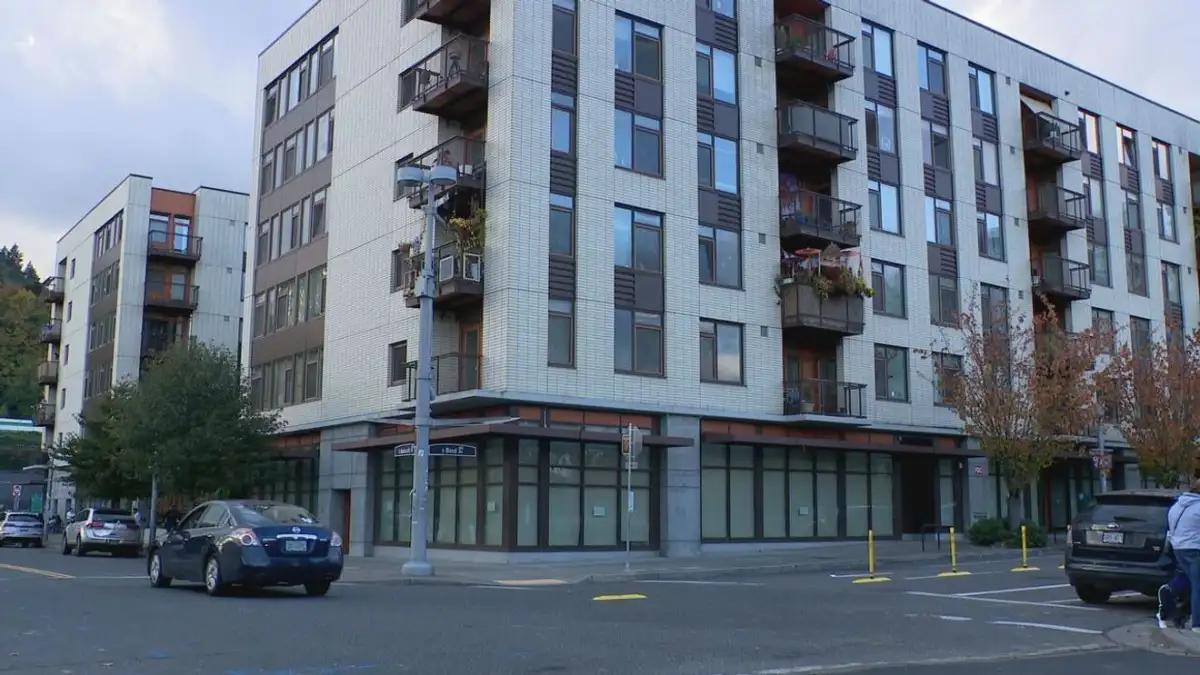
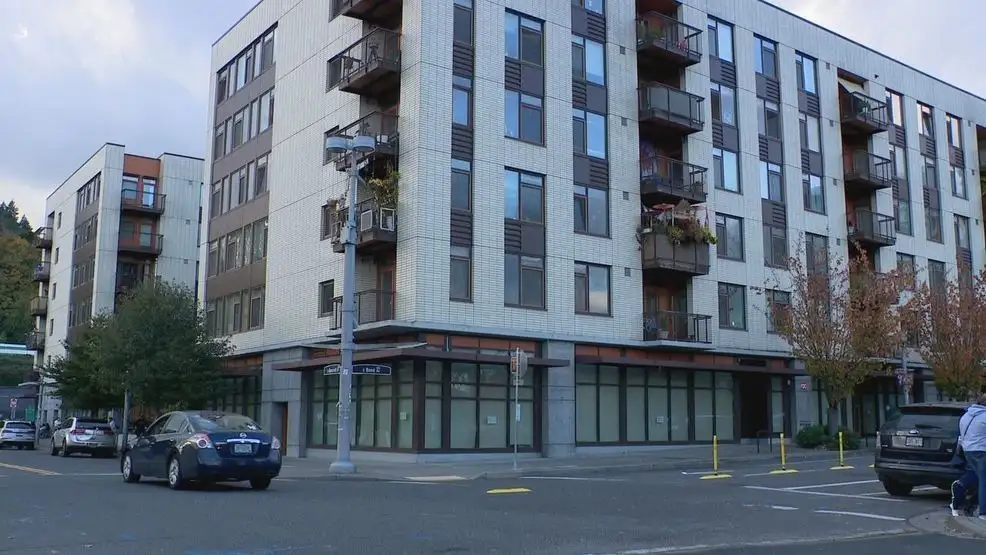
Health Concerns: Residents living near the ICE facility have also filed a lawsuit, alleging harmful health effects from the tear gas used by federal agents. This includes targeting of a resident who was livestreaming protests from their apartment complex, which houses seniors, veterans, families, and people with disabilities.
Defense and Counterarguments
The U.S. Department of Homeland Security has defended the actions taken by its officers during the protests. However, the specifics of this defense, beyond a general assertion of justification, are not detailed in the provided reports. Negotiations between federal officials and lawyers for protesters and journalists over temporary restrictions reportedly failed before the judge's order.
Expert Analysis and Interpretations
Legal experts and civil liberties advocates have weighed in on the implications of the court's decision.
First Amendment Protection: The ruling underscores the judiciary's role in safeguarding First Amendment rights when they are perceived to be under threat from government actions. The court's refusal to narrow the scope of the order suggests a recognition that the alleged infringements on speech are not confined to the named parties.
Proportionality of Force: The restrictions placed on where and to whom less-lethal force can be applied indicate a judicial concern about the proportionality and reasonableness of the tactics employed by federal officers. Targeting heads and torsos, unless justified by deadly force considerations, is a significant point of contention.
Public Health and Safety: The inclusion of residents' health concerns in a lawsuit signals a broader impact of federal law enforcement actions, extending beyond direct participants in demonstrations to the surrounding community.
Conclusion and Future Implications
The temporary restraining order issued by Judge Michael Simon represents a significant, albeit preliminary, legal intervention in the ongoing confrontations at the Portland ICE facility. It aims to balance federal law enforcement's mandate with the constitutional rights of protesters and the well-being of local residents.
Read More: Portland Mayhem Facility Adds Scream Room for Stress Relief
Immediate Impact: Federal officers are now operating under stricter guidelines regarding the use of tear gas and projectiles.
Broader Implications: The case highlights critical questions about the appropriate use of force by federal agents in civilian settings and the potential for such actions to suppress constitutionally protected speech.
Next Steps: While the order is temporary, its durability and potential to be made permanent will likely depend on future court proceedings and the evidence presented by both sides. The ongoing dialogue, or lack thereof, between federal agencies and local stakeholders remains a crucial factor. The legal challenge by residents also introduces a new dimension, focusing on the health and environmental impacts of federal crowd-control tactics.
Sources Used:
The Guardian: Published February 4, 2026. Details the judge's temporary ban on ICE using tear gas and projectiles on protesters in Portland.
Link: https://www.theguardian.com/us-news/2026/feb/03/portland-judge-ice-teargas-projectiles
CNN: Published February 4, 2026. Reports on U.S. District Judge Michael Simon's order limiting federal officers' use of tear gas at protests outside the Portland ICE building.
Link: https://www.cnn.com/2026/02/04/us/portland-ice-protest-tear-gas
The Oregonian: Published February 2, 2026. Discusses the lawsuit heading back to court after talks failed, with federal officers accused of tear-gassing children.
Link: https://www.oregonlive.com/crime/2026/02/federal-officers-use-of-tear-gas-less-lethal-munitions-against-ice-protesters-before-judge.html
Jurist: Published February 3, 2026 (estimated from "5 days ago"). Covers the U.S. federal judge's restrictions on tear gas use at Portland ICE protests.
Link: https://www.jurist.org/news/2026/02/us-judge-restricts-federal-use-of-tear-gas-at-portland-ice-protests/
KATU: Published date not specified, seen on Bing. Reports on neighbors of the Portland ICE facility alleging harmful effects of tear gas in a lawsuit.
Link: https://katu.com/news/local/neighbors-of-portland-ice-facility-allege-harmful-effects-of-tear-gas-in-lawsuit
Associated Press (AP): Published February 3, 2026. States that federal agents must limit tear gas use for now at protests outside the Portland ICE building, as ordered by a judge.
Link: https://apnews.com/article/ice-protest-tear-gas-portland-oregon-immigration-8b9e6da5068ba56b95174d50b7597d43