The market for portable power stations in 2026 presents a bewildering array of devices, each promising robust energy solutions. A close examination of the available data reveals a persistent focus on charge time, discharge capacity, and a general struggle to define and standardize efficiency. While manufacturers tout ever-increasing capacities and rapid charging speeds, the actual usable energy and long-term power retention remain subjects of opaque measurement and varied claims. The distinction between raw capacity and usable energy, a critical factor for consumers, is often blurred in marketing materials.

The core challenge for consumers lies in navigating a landscape where "watt hours" (Wh) are paramount, yet its practical application—how long a device can actually be powered—is contingent on the specific "watt draw" of the device itself and the station's "efficiency." This efficiency, representing how well stored energy is converted to usable power, is inconsistently reported and tested, making direct comparisons between brands problematic. Furthermore, the issue of "power loss over time," or self-discharge, is acknowledged but rarely quantified in a standardized manner, leaving users to infer longevity from a complex set of figures.
Read More: Chrome mimeHandler API lets extensions handle file types
Assessing Performance: A Data-Driven Glimpse
The provided data showcases a significant volume of testing, primarily centered on charge and discharge times. For instance, the extensive raw data from CNET attempts to quantify these metrics across numerous models. While specific charging times vary wildly—some units claim to reach 50% charge in under an hour, while others extend into multiple hours—a consistent benchmark for "full charge" or the time to reach 80% and 100% remains a key performance indicator. Discharge testing, similarly, tracks the elapsed time a unit can sustain a given wattage.
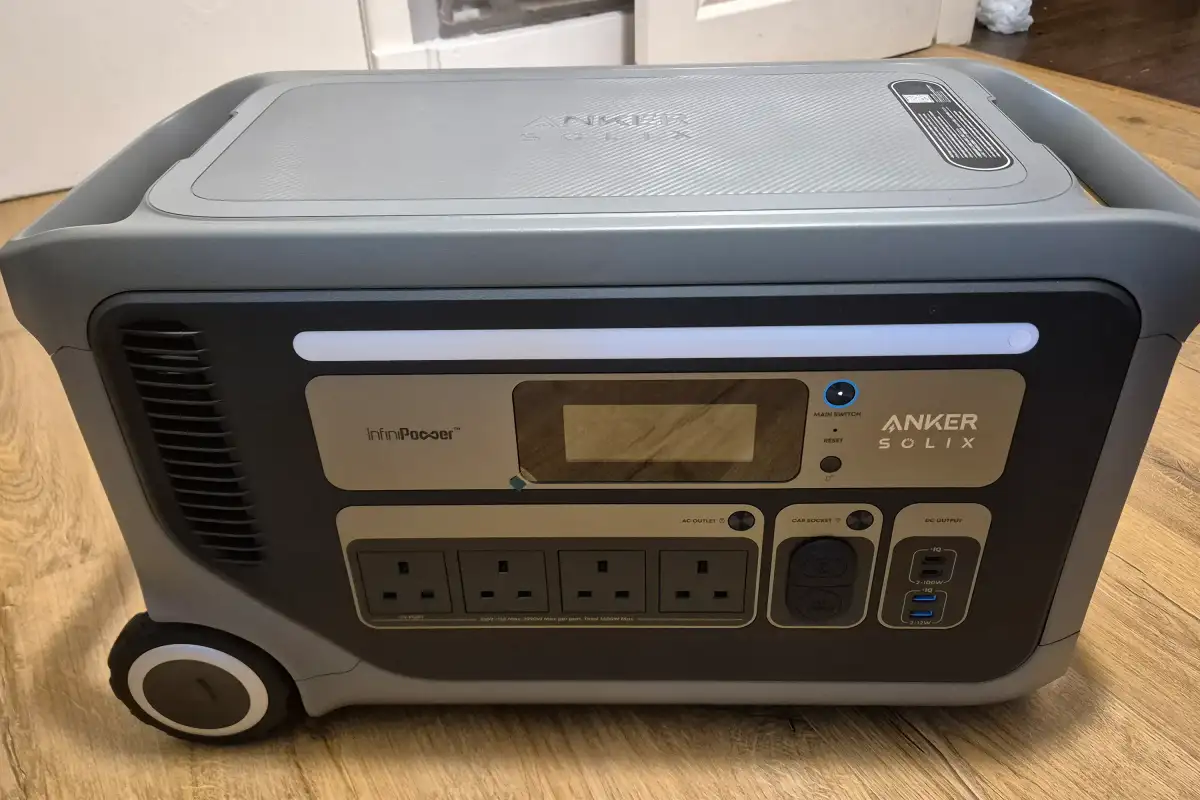
Models like the Anker SOLIX F3800 and FOSSiBOT F3600 Pro appear at the higher end of capacity, hinting at capabilities for substantial power needs, potentially including whole-home backup or replacement of traditional generators.
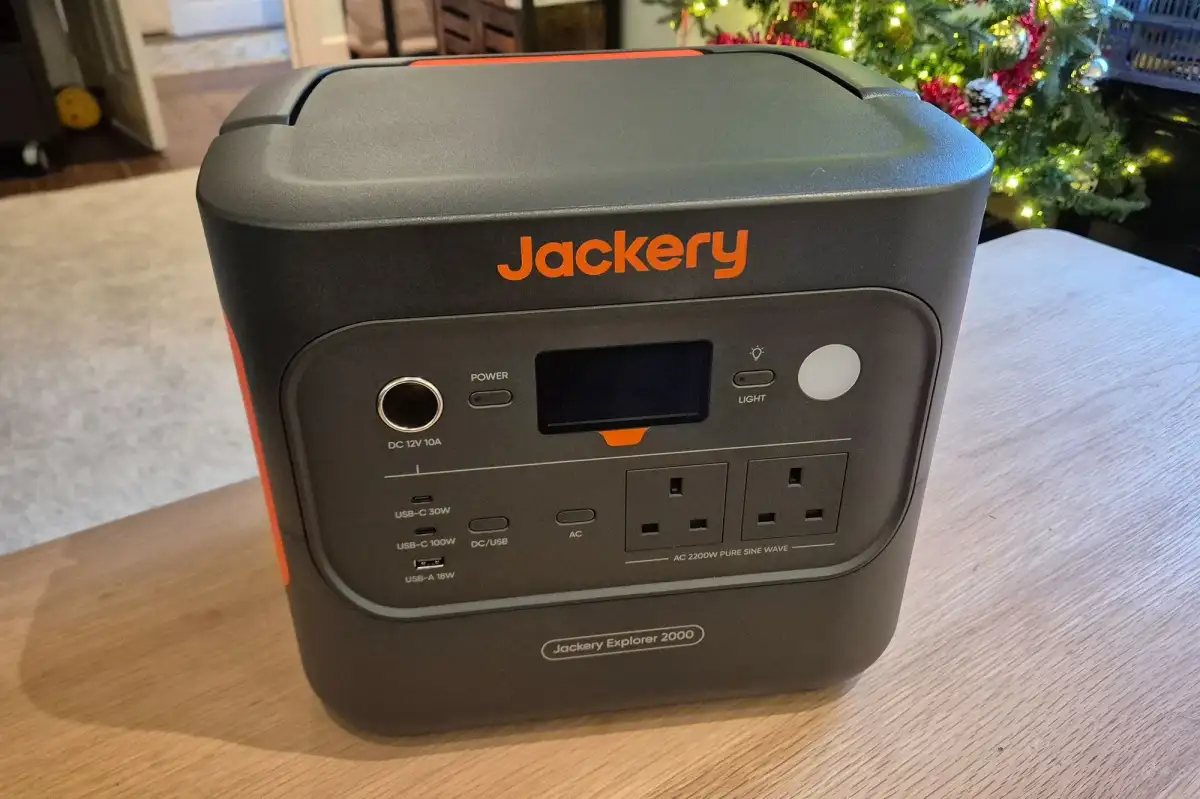
Conversely, smaller units, such as the Goal Zero Yeti 500X v2 and DJI Power 500, are positioned for more modest, portable applications like powering drones or basic emergency needs.
Brands like EcoFlow and Jackery are repeatedly featured, suggesting a strong market presence and a consistent output of new models across various capacity ranges.
The Elusive Nature of Efficiency and Longevity
Despite the wealth of charging and discharging data, a definitive understanding of power station efficiency—the ratio of usable energy to stored energy—is conspicuously absent from standardized reporting. Some sources allude to it as a critical factor for "longer device runtimes" and "effective power," but concrete, comparable figures are scarce.
Read More: TCL QM8L TV Features 6000 Nits Brightness and SQD Tech in April 2026
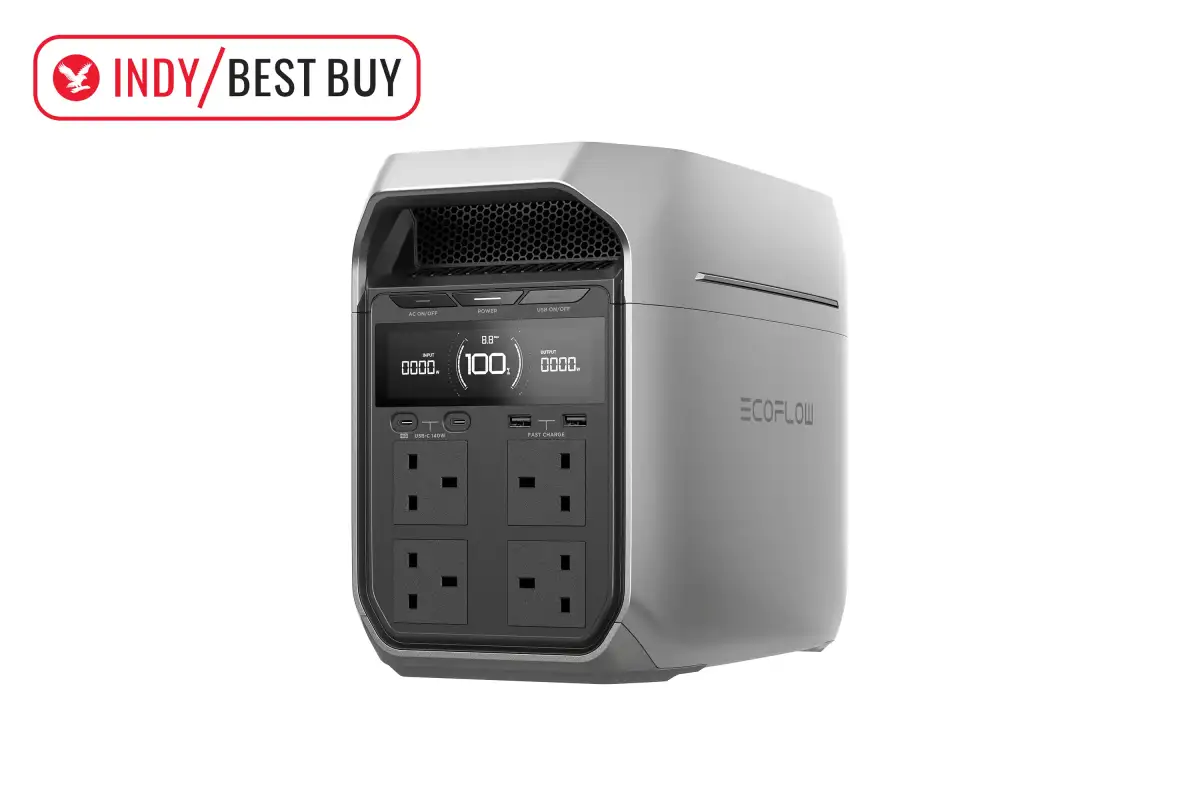
"In essence, power station efficiency refers to how well a power station converts the energy stored in its battery into usable electrical power." - The Inertia
This lack of standardization extends to the lifespan of these devices. While mentions of battery types influencing longevity appear, specific year-based projections or degradation test results are not a central theme in the provided summaries, leaving consumers to weigh advertised claims against anecdotal evidence or long-term personal experience.
Contextualizing the Market: A Dynamic Field
The portable power station market in 2026 is characterized by rapid innovation and a push towards higher capacities and faster charging. Consumers face a complex decision-making process, needing to sift through technical specifications that, while increasingly detailed, still lack a universally applied framework for performance assessment, particularly concerning efficiency and sustained energy delivery. The emphasis on "watt hours" as a primary metric is consistent, but its practical implications—the actual runtime and the range of devices that can be powered—depend heavily on a deeper understanding of the unit's conversion capabilities and self-discharge rates, elements that remain somewhat in the shadows of marketing narratives.
Read More: BEREC Asks for Mobile Network API Ideas from Developers