


In his first major papal text, an encyclical titled Magnifica Humanitas, Pope Leo XIV has issued stark warnings regarding the burgeoning influence of artificial intelligence, framing it as a significant threat to human dignity and global peace. The document, released precisely 135 years after the landmark encyclical Rerum Novarum, draws parallels to that foundational text of Catholic social teaching by addressing the concrete realities of people's lives in a rapidly changing world.

The pontiff's concerns span multiple dimensions of AI's impact, including the potential for widespread job displacement, the dehumanizing aspects of unchecked technological advancement, and the escalating risks associated with AI-powered warfare. He decries a "culture of power" driving AI development, cautioning that the technology could lead to unprecedented surveillance, the creation of a "second-class humanity," and a widening chasm between the elite and the disadvantaged.
Read More: Cliffe Knechtle: God's 4 Answers to Prayer on US Campuses

The Vatican’s engagement with AI is not new, with established dialogues involving major technology firms such as Microsoft and Google. This encyclical, however, marks a significant moment, with Pope Leo XIV presenting the document himself at the Vatican, an unusual break from tradition. His appearance alongside Christopher Olah, a co-founder of AI firm Anthropic, signaled an intent for dialogue between religious leadership and the technology industry. Olah, for his part, echoed concerns about the unfettered development of AI, calling for greater oversight from religious leaders, governments, and civil society.

Magnifica Humanitas is characterized not as a Luddite rejection of technology, but as a critique of its potential pitfalls, a stance in keeping with a long tradition of Christian thought on the inherent risks of powerful new tools. The Pope emphasizes that technology, however impressive, has its limits and cannot replicate morality or divine wisdom. He invokes the biblical story of the Tower of Babel to illustrate the dangers of human endeavors that prioritize self-affirmation and efficiency over human dignity and a connection to the divine.
Read More: Chrome mimeHandler API lets extensions handle file types
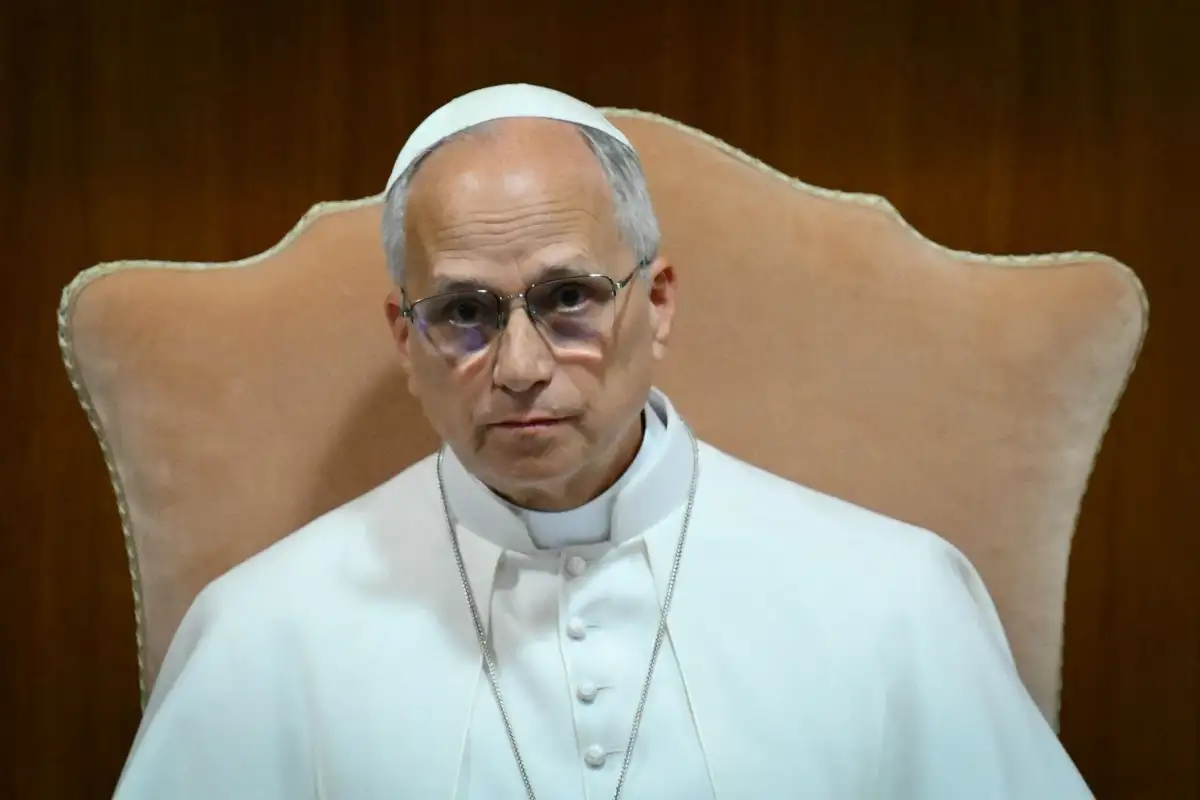
Beyond the focus on AI, the encyclical also addresses other pressing global issues. Pope Leo XIV condemned anti-migrant politics, criticized modern capitalism, and labeled climate destruction a moral offense against the poor, underscoring his call for a "civilization of love." The pontiff has previously identified AI as humanity's biggest threat, underscoring the urgency he attaches to these warnings.
The document arrives amidst a growing global discourse on AI's societal effects. Projections, such as those from Goldman Sachs, anticipate significant job losses or degradation due to AI, fueling concerns about economic upheaval. The encyclical's release positions it as a pivotal statement from the Catholic Church on navigating the complex ethical and social landscape presented by artificial intelligence in the contemporary era.





