


The Polavaram Irrigation Project, often branded a "lifeline" for Andhra Pradesh, currently functions as a site of systemic neglect for 96,660 displaced families. While state rhetoric focuses on water flow, a CAG report highlights a stagnant loss of nearly ₹2,000 crore attributed to construction delays and lack of precautions regarding the diaphragm wall.

| Displaced Reality | Metric of Failure |
|---|---|
| Total Affected | 373 habitations / 222 revenue villages |
| Housing Status | Leaking huts, unfinished skeletons, makeshift shelters |
| Missing Basics | No drinking water, no electricity, no PHCs, no schools |
| Legal Gap | 2016 cutoff dates ignore a decade of inflation |
"The displaced are living in conditions that cannot be called human. The colonies are built with methods that barely qualify as housing." — CPI(M) leadership observation.
The Mechanics of Misery
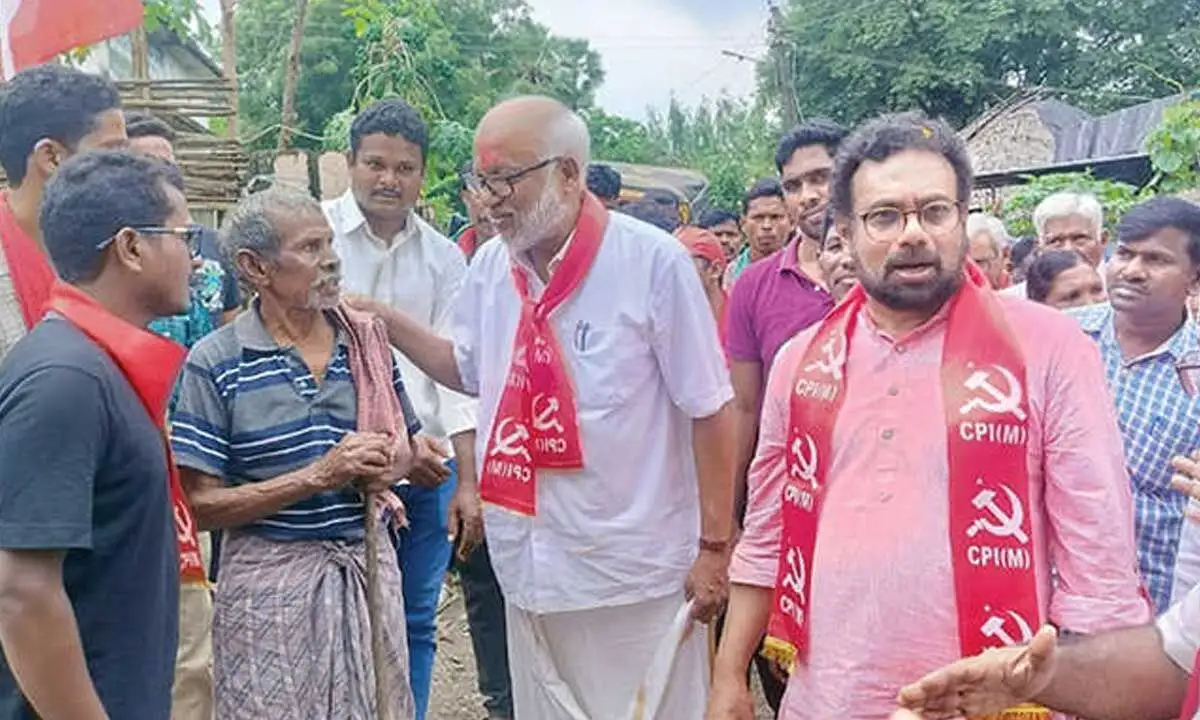
The CPI(M) is pushing for a national-level agitation, citing a total breakdown in the Rehabilitation and Resettlement (R&R) process. Families in the Narasingapeta and Nagulapalli colonies report a grim checklist of absences:
No Anganwadi or primary education centers for children.
Ration supplies require a 10-kilometer journey.
Aadhaar and voter cards remain tied to submerged, "ghost" villages.
Lack of NREGA employment opportunities, forcing a reliance on erratic daily labor.
At the Thallooru R&R colony, 240 families occupy structures that remain incomplete, waiting for entitlements promised years ago. The demand for ₹20 lakh per acre in compensation reflects a market reality that the current government packages—locked into 2016 rates—fail to acknowledge.
Allegations of Graft and Broken Walls
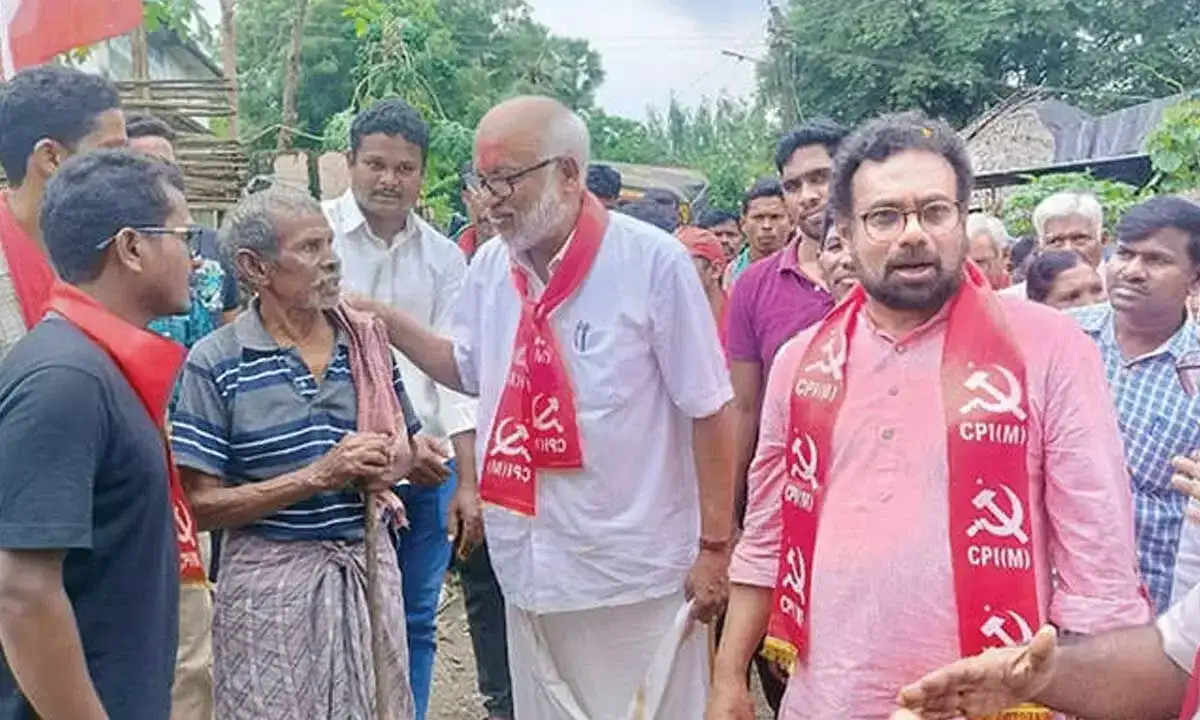
The critique isn't limited to bad plumbing. Srinivasa Rao and other Left leaders point to irregular payments to contractors while basic facilities in resettlement zones remain unfunded. The ₹2,000 crore loss noted by the CAG suggests that the "lifeline" is leaking public funds long before it carries water.
Read More: Andhra University Adds More Seats for B.Tech Courses

Judicial Probe: Demand for a high-level inquiry into construction irregularities.
Tribal Rights: The LARR Act mandates compensation for community forest lands, yet tribal families with valid titles face a legal vacuum.
Kerala Model: Protesters have urged Andhra Pradesh MPs to study the Kerala rehabilitation structures, which integrate health and transport into the displacement plan.
Justice in Small Doses
A rare instance of accountability surfaced via the Upa-Lokayukta, Smt. P. Rajani. Her intervention secured ₹9.50 crore for families in Kummari Lova Village who were initially excluded from the R&R list. This suggests that the exclusion of eligible families is not an accident of geography, but a failure of administration.
Background: The Paperwork of Displacement
The Polavaram Project, the brainchild of Chief Minister Chandrababu Naidu, is designed to irrigate vast tracts of farmland. However, the 2013 Land Acquisition, Rehabilitation and Resettlement (LARR) Act has been applied unevenly. The current friction stems from a 2016 eligibility cutoff that ignores the nine-year delay in implementation. As the project crawls toward completion, the displaced remain stateless in their own land, trapped between the rising Godavari waters and the unfinished concrete of the resettlement colonies.
Read More: Four dead in Markapuram lorry crash during wedding on April 6 2026


