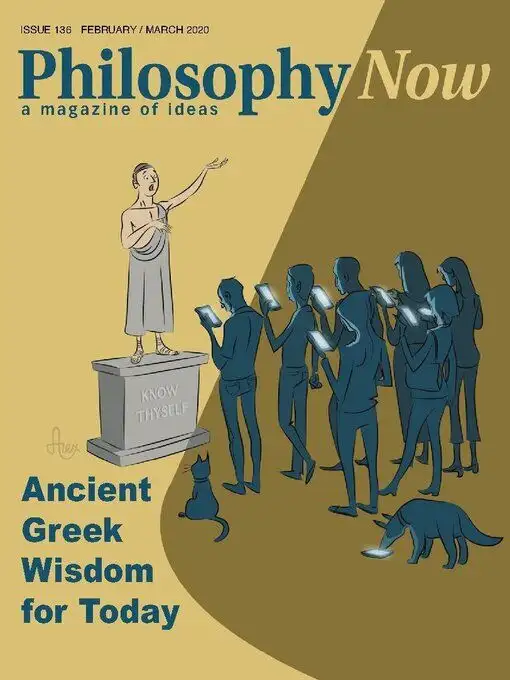
Intellectual inquiry historically functions as a disruptive force, often demanding the total abandonment of societal norms. Author Rohan Somji, writing for Philosophy Now (Issue 136), posits that the rigorous pursuit of philosophical truth exerts a transformative, often destructive, influence on the lives of those who commit to it. Focusing on three pillars of Ancient Greek thought—Socrates, Diogenes, and Pyrrho—the analysis illustrates that sustained reflection acts not as an academic exercise, but as a catalyst for existential recalibration.
| Thinker | Core Philosophical Posture | Life Outcome |
|---|---|---|
| Socrates | Socratic Ignorance | Execution via hemlock |
| Diogenes | Cynical non-conformity | Ascetic, radical independence |
| Pyrrho | Skeptical detachment | Suspension of belief |
The Mechanics of Dissent
The core tension presented is between the structured requirements of civilization and the uncompromising nature of individual inquiry.
Socrates challenged the foundation of Athenian customs, effectively inviting the state to eliminate him rather than abandon his method of questioning.
Diogenes operationalized philosophy by rejecting material comfort, performing a public rejection of moral conventions.
Pyrrho explored the radical periphery of epistemology, engaging with figures like the gymnosophists (naked wise men) to find a mode of living devoid of dogmatic weight.
The Philosophical Infrastructure
These investigations are not isolated, as contemporary scholarship continues to apply these ancient frameworks to modern dilemmas. Beyond the historical analysis of the ancients, current discourse—often indexed in publications like Philosophy Now—extends this scrutiny toward contemporary governance and societal structures.
Read More: Google Learn About AI Tool Released April 2026 For Simple Learning
' Immanuel Kant ' programs for global integration are contrasted against current identity politics.
Existentialism remains a primary lens for understanding modern individual agency, as articulated by practitioners like Gary Cox.
Modern thinkers continue to synthesize ancient ethics, such as the application of Stoicism to contemporary climate anxieties.
Contextualizing the Investigation
The discourse regarding these thinkers suggests that philosophy, when treated with sufficient gravity, acts as a solvent for convention. The transition from theory to lifestyle remains the primary danger identified by Somji. Whether through the political martyrdom of the 4th Century BCE or the quietist detachment of the skeptic, the common thread is the loss of utility within the broader, uncritical collective. These examinations serve as a reminder that the cost of consistent thinking is rarely paid in currency, but in the slow erasure of one’s ability to remain indistinguishable from the crowd.