As of today, May 18, 2026, the House Ethics Committee faces renewed scrutiny regarding a string of sexual misconduct allegations involving sitting members. Following the resignations of representatives Eric Swalwell and Tony Gonzales earlier this spring, at least two additional lawmakers remain under active ethics investigations.

Core systemic failure: House rules strictly prohibit sexual relationships between members and their own staff, yet these regulations offer no protection for personnel interacting with members of different offices.

Current Status of Misconduct Oversight
The National Women’s Defense League (NWDL) reports that 53 allegations of workplace sexual harassment have been leveled against at least 30 members of the House and Senate over the last two decades. When expanding the criteria to include non-workplace conduct and pre-election history, the figure rises to 137 accusations involving 49 members.
| Category | Data Point |
|---|---|
| Total documented accusations | 137 (49 members) |
| Workplace-specific allegations | 53 (30 members) |
| Lawmakers currently under investigation | At least 2 |
| Members who resigned in 2026 | 2 |
The House Ethics Committee has formally urged victims to step forward, clarifying that their internal "Code of Official Conduct" holds members to a higher standard than basic federal statutes.
Despite the formal invitation, staff members—speaking under anonymity—describe a culture of fear where reporting is perceived as a career-ending move.
Mandatory sexual harassment training remains inconsistently implemented across the 435 fiefdoms of the House, leaving new staff uncertain about formal grievance procedures.
The Institutional 'Cesspool'
Observers characterize the legislative environment as one of fragmented authority. Because each congressional office operates as an autonomous unit, there is no centralized human resources oversight, leaving the enforcement of ethics entirely to the members themselves.
Read More: Taiwan Holds Nantou County Drills to Prepare for State Collapse
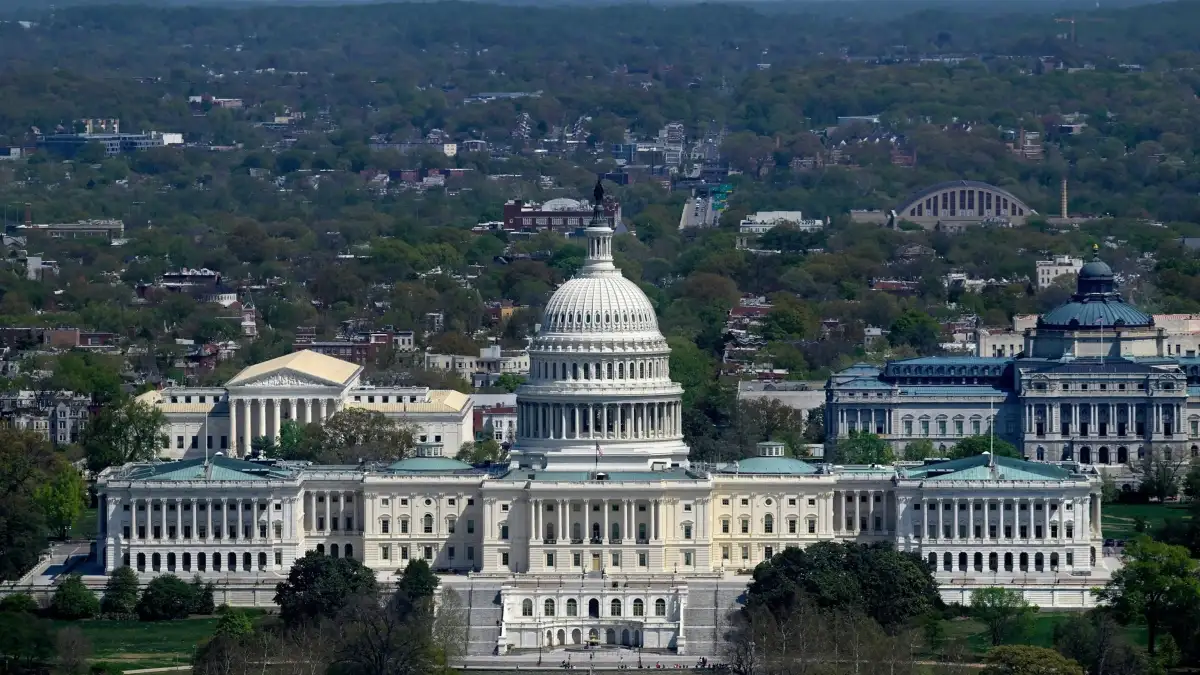
"They are 435 fiefdoms," noted a House chief of staff, highlighting the disconnect between the formal code of conduct and the reality of office power dynamics.
The persistence of these reports despite the reform vows of a decade ago suggests a persistent cultural failure. While some lawmakers, such as Mike Lawler, have vocalized the need for higher personal standards among representatives, the mechanisms for holding members accountable for misconduct remain primarily tied to resignation under pressure rather than proactive systemic discipline.
The House Ethics Committee has maintained that it does not manage lawsuits or financial settlements, further complicating the legal avenues available to affected staff. Consequently, the reliance on public shaming and individual resignations remains the primary, albeit asymmetrical, method of address for misconduct within the Capitol.