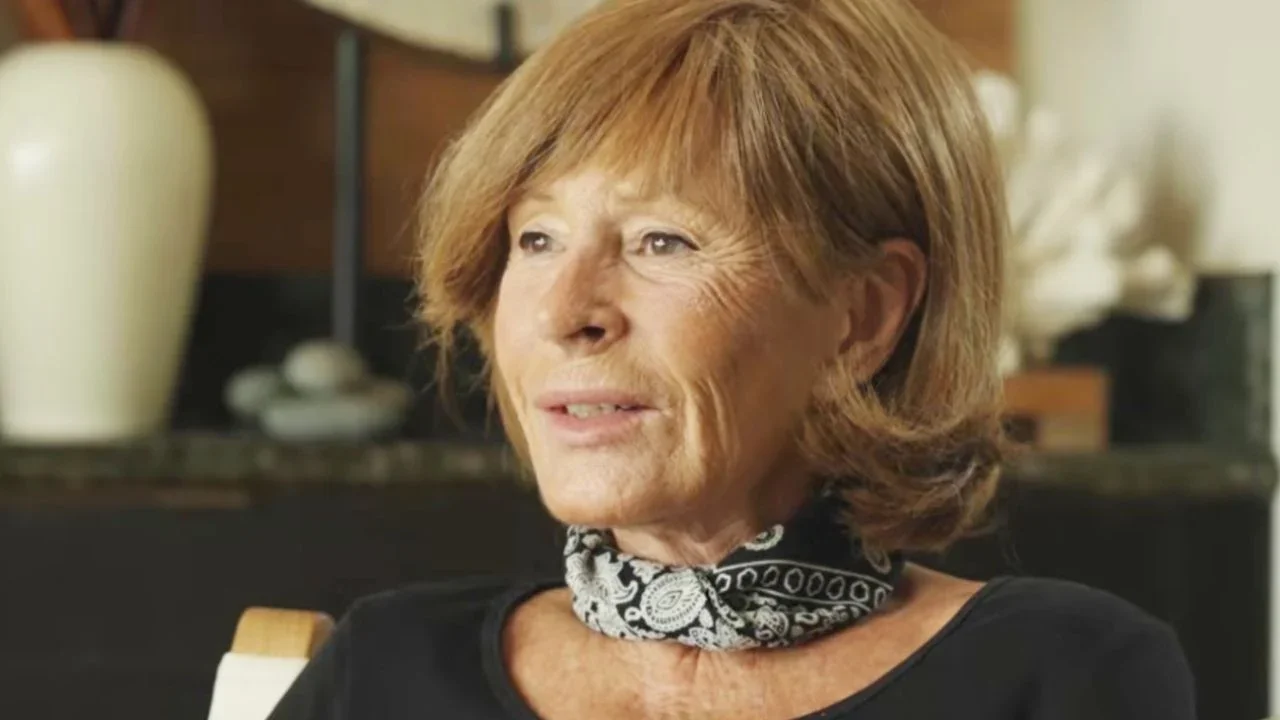
Edgar Morin, a thinker whose work spanned generations and disciplines, died at the age of 104. His passing marks the end of an era for a certain kind of intellectual inquiry, one that sought to connect the seemingly disparate threads of human experience. Morin's career was defined by a persistent, often challenging, effort to grapple with complexity.
The philosopher, known for his concept of "complex thought," dedicated his life to dissecting the interconnectedness of phenomena. His writings explored subjects as varied as media, culture, politics, and the very nature of human consciousness. He was a figure who refused easy categorization, a trait that resonated with those who found traditional academic frameworks too confining.
"Complexity is not a word to hide ignorance, but a program for research."
Morin’s influence was not confined to the ivory tower. His ideas found echoes in various fields, shaping discussions and offering alternative perspectives on how to understand the world. The term 'influential' itself, as seen in dictionary translations, suggests a reach that extends beyond mere academic citation, hinting at a broader societal impact. He was described in ways that pointed to his significant weight and power to shape thought.
Read More: Victor Willis of Village People Dies at 74
Born in 1921, Morin's intellectual journey mirrored many of the tumultuous changes of the 20th century. He engaged with Marxism early on but later diverged, developing a unique philosophical stance that emphasized the need to break down rigid boundaries between disciplines. This methodological insistence on seeing the whole, rather than just its parts, was a hallmark of his extensive body of work. His explorations into media, for instance, questioned its role in shaping perception, long before such concerns became commonplace.