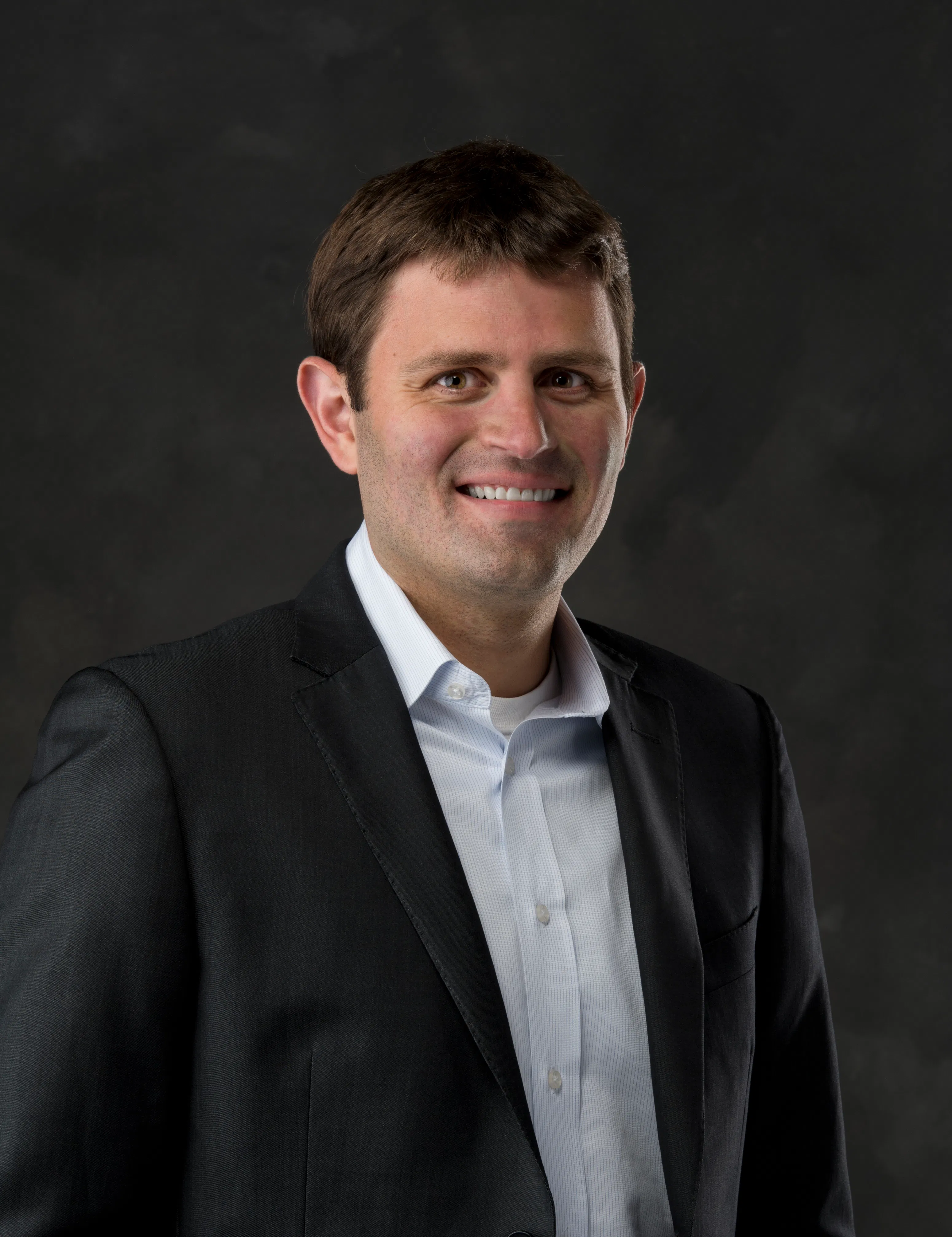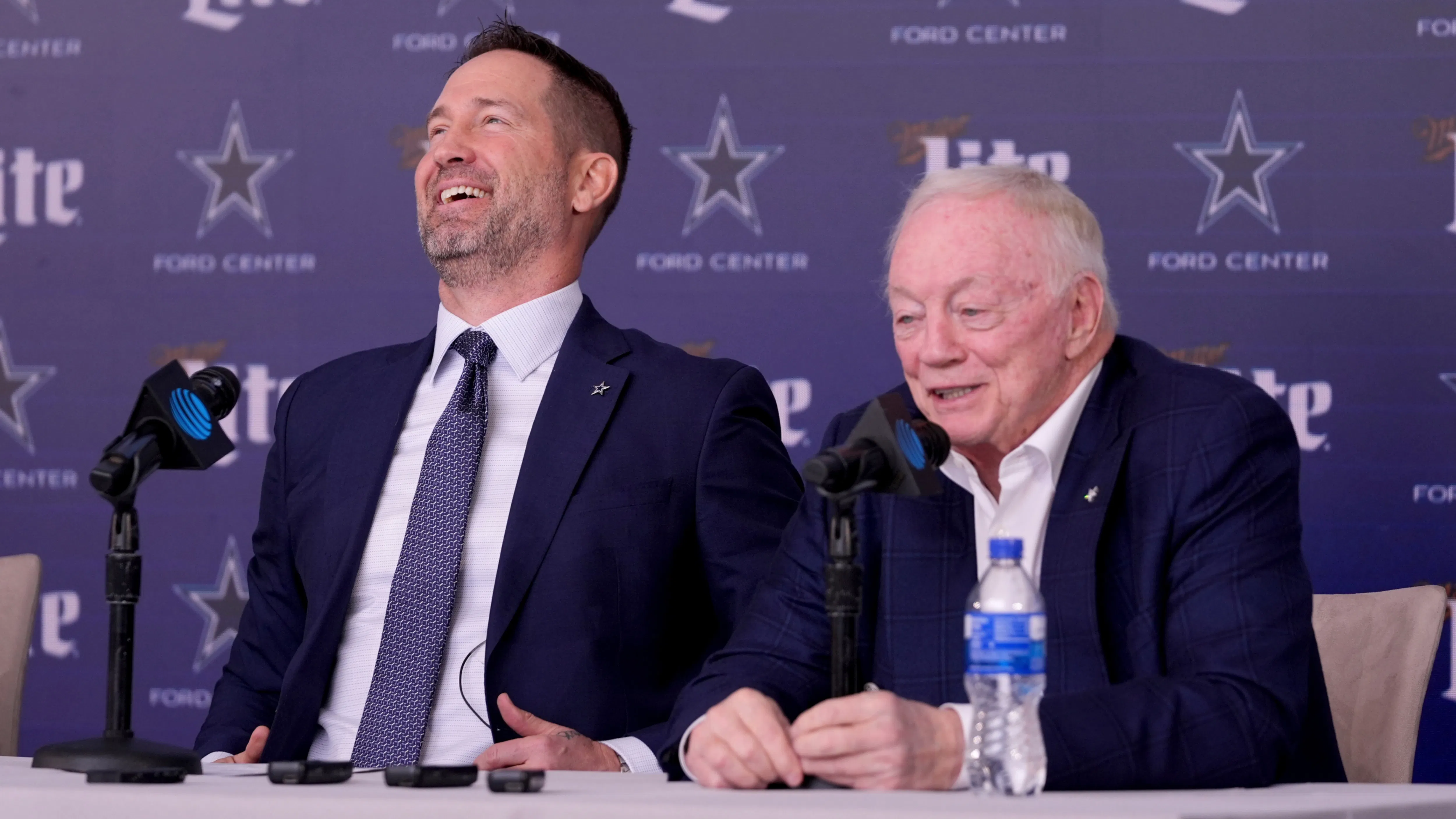
The PGA Tour is actively considering new avenues for players who defected to the LIV Golf League to rejoin its ranks, a move signaled by CEO Brian Rolapp. This contemplation arises as LIV Golf faces persistent rumors and reports of potential funding issues, creating an atmosphere of uncertainty around its long-term viability.

The tour’s leadership, while publicly stating a focus on internal improvements, has acknowledged the need to address the situation of golfers currently contracted with LIV. This comes as some prominent LIV players, such as Brooks Koepka, have already transitioned back to the PGA Tour, with others like Patrick Reed reportedly in discussions for similar moves.

Shifting Landscape Prompts Reevaluation
Recent developments, including LIV Golf’s ongoing tournaments amidst speculation about its financial backing, appear to have spurred the PGA Tour’s strategic reassessment. CEO Brian Rolapp, who joined the tour last summer, indicated that the league’s unpredictable trajectory is a factor in the tour’s willingness to explore reinstatement processes. While not elaborating on specific mechanisms, Rolapp suggested the tour is "reading all the same headlines" concerning LIV’s stability, implying an awareness of the pressures faced by LIV-affiliated golfers.
Read More: Memorial Tournament Draws Bets Amid PGA Tour Changes

The PGA Tour maintains that it will "respect" existing contracts with LIV Golf, acknowledging the contractual obligations of players who joined the Saudi-backed league. However, the tour’s stated priority remains the enhancement and strengthening of its own circuit.
Precedent and Player Movement
The PGA Tour has demonstrated a willingness to welcome back former members. The return of five-time major champion Brooks Koepka after he expressed a desire to rejoin serves as a recent example. While pathways for player reinstatement have long existed within the PGA Tour’s framework, the current environment, marked by LIV’s potential decline, seems to be prompting a more open dialogue about broader reintegration. High-profile LIV golfers including Bryson DeChambeau, Tyrrell Hatton, Joaquin Niemann, Cameron Smith, and Jon Rahm are noted as being among those whose situations might be affected by these shifts.
Read More: IPL 2026 Brand Value Changes Due to Team Performance
Background
The emergence of LIV Golf in early 2022 marked a significant disruption in professional golf, characterized by lucrative offers to players and a team-based competition format. This led to a split within the sport, with many top players choosing to leave the established PGA Tour and DP World Tour for the new league, often facing suspensions and legal challenges. The PGA Tour, in turn, implemented rules prohibiting LIV players from participating in its events. Strategic partnerships, such as the one between the PGA Tour and the DP World Tour, have also seen LIV players being fined for competing in events that conflict with their tour schedules. While talks of potential mergers or cross-sanctioning have surfaced in the past, the current discourse suggests diverging paths, with LIV’s future appearing increasingly tenuous.
Read More: Memorial Tournament: Scheffler Favored, Long Shots Emerge for Bettors