
The domestic dog, Canis familiaris, is undergoing a significant re-evaluation of its place within human structures. Once primary providers of labor, from herding to guarding, their roles are shifting. While reliance on dogs for essential daily tasks has diminished, new and varied functions are emerging. This evolution underscores a persistent, albeit changing, interdependence between humans and these animals.
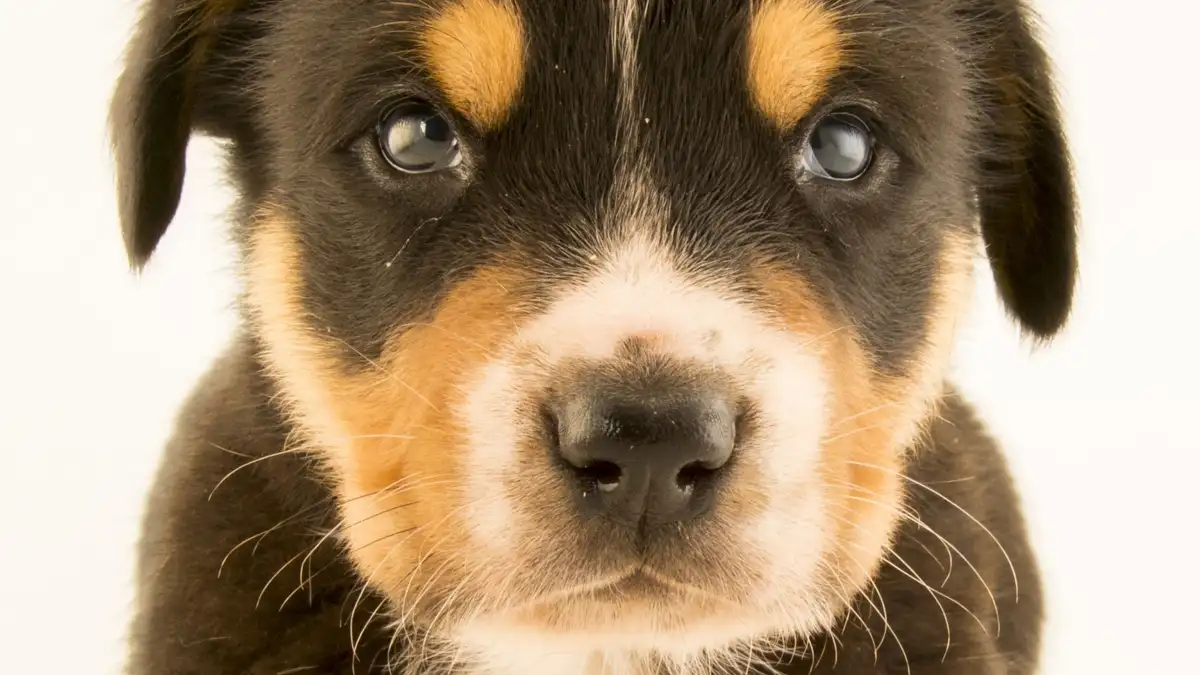
Modern interpretations of dog utility extend beyond their historical work capabilities. Breeds are now specifically developed to enhance their suitability as companions. This has led to a diversification of dog types, from tiny breeds to giants, each cultivated for distinct traits. The Terrier Group, for instance, is noted for its energetic and often spirited nature, while breeds like the Labrador Retriever and Golden Retriever are recognized for their amiable disposition.

The biological roots of the domestic dog trace back to a wolf species, though not the commonly assumed gray wolf (Canis lupus). This evolutionary lineage has resulted in approximately 800 distinct domestic dog breeds globally. Their physical attributes reflect this adaptation; for example, dog teeth are comparatively smaller than those of wolves, a testament to their reliance on human provision rather than independent large prey capture. Dew claws, while not typically touching the ground, aid in providing a subtle grip, a remnant of their ancestral hunting behaviors.
Read More: Orangutan Mothers Plan Playdates for Babies in Borneo
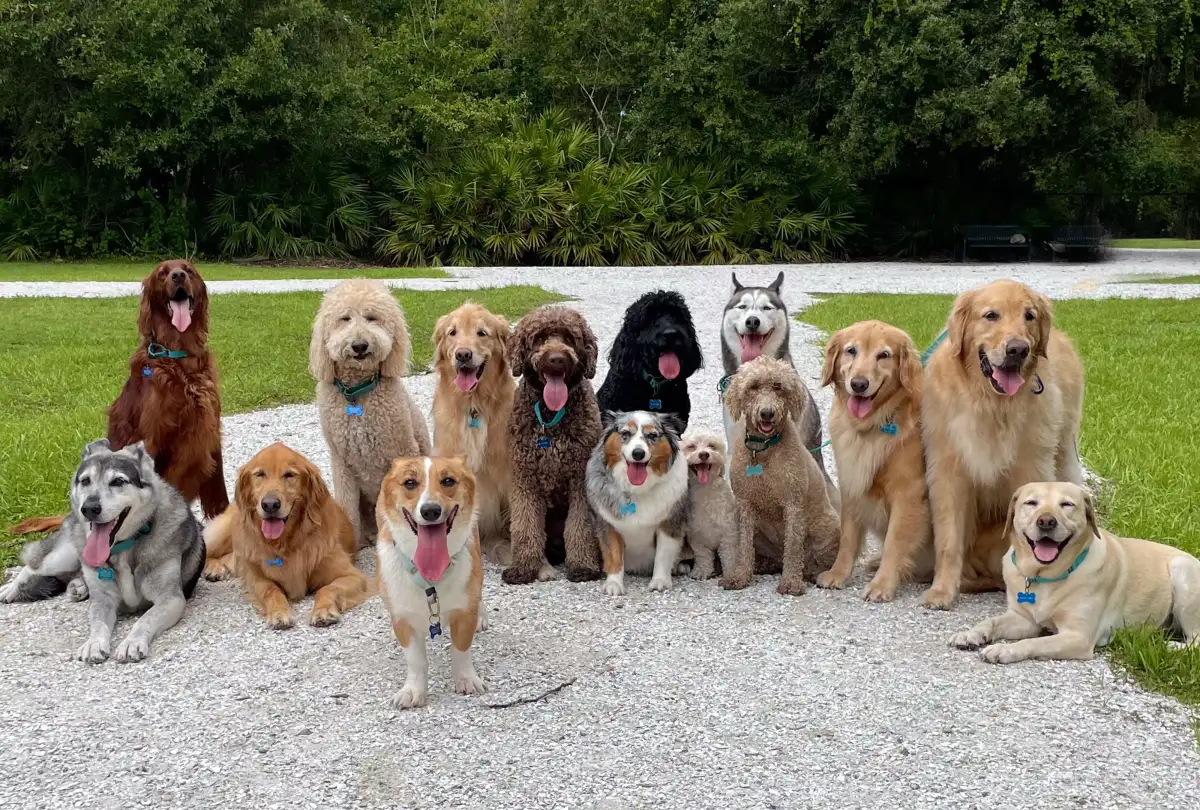
Interestingly, canine communication, particularly tail wagging, is more complex than often perceived. While increased wagging is observed in the presence of their owners, studies indicate it also occurs in response to food and even stress, such as encountering an aggressive dog.
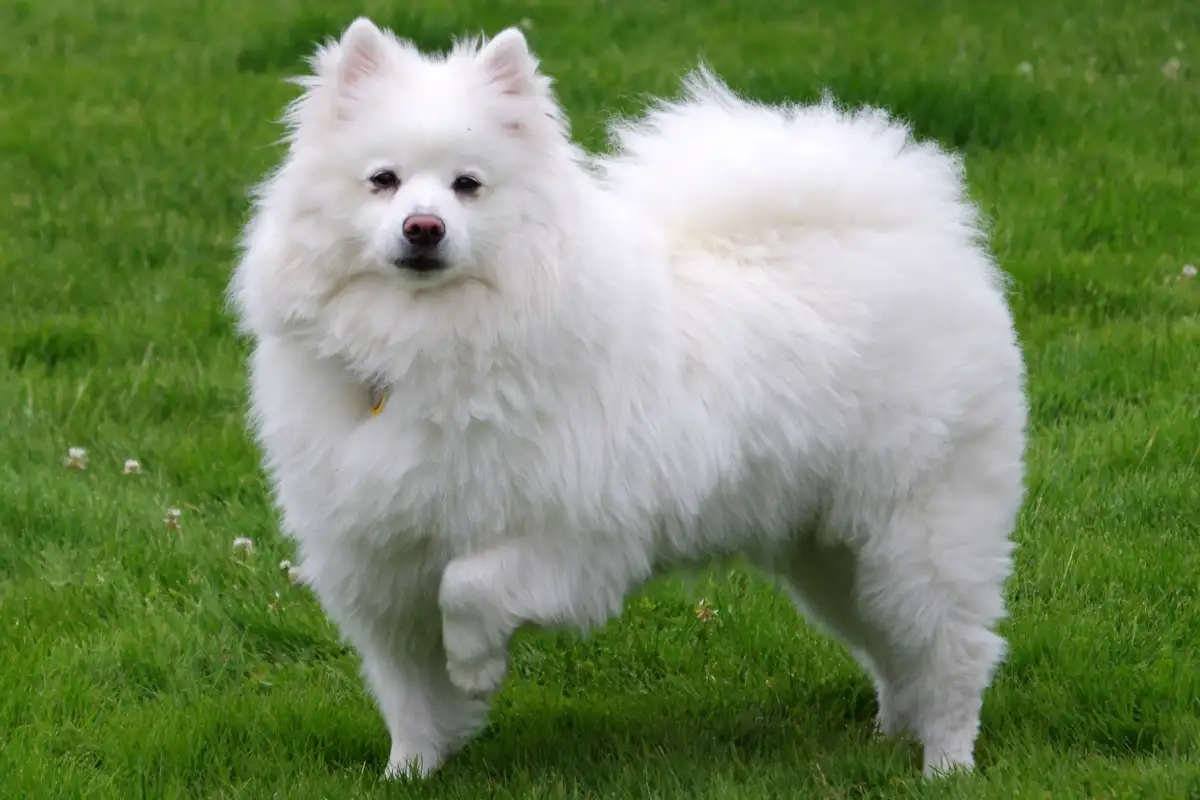
The perception and integration of dogs into human life have evolved. Although traditional working roles have waned, the demand for specific breeds for companionship and niche modern tasks continues. This ongoing adaptation suggests a dynamic, rather than static, relationship between humans and dogs, highlighting the animal's remarkable capacity to integrate into evolving societal needs.
Read More: New Atheism movement splits on April 7 2026 over political views


:strip_icc()/GettyImages-688951857-586d7be13df78c17b6e3a3cb.jpg)