

A humpback whale has etched its name into the annals of oceanic travel, completing a journey spanning an astonishing 9,300 miles from Australia to Brazil. This unprecedented crossing marks the longest recorded ocean migration for any whale species. The individual's epic voyage underscores the vast, often-unseen movements dictating marine mammal life.

The sheer distance covered by this solitary humpback challenges previous understandings of migratory capabilities within the species and potentially across the broader cetacean family. The event prompts a re-evaluation of migration routes and the ecological factors driving such extreme undertakings.
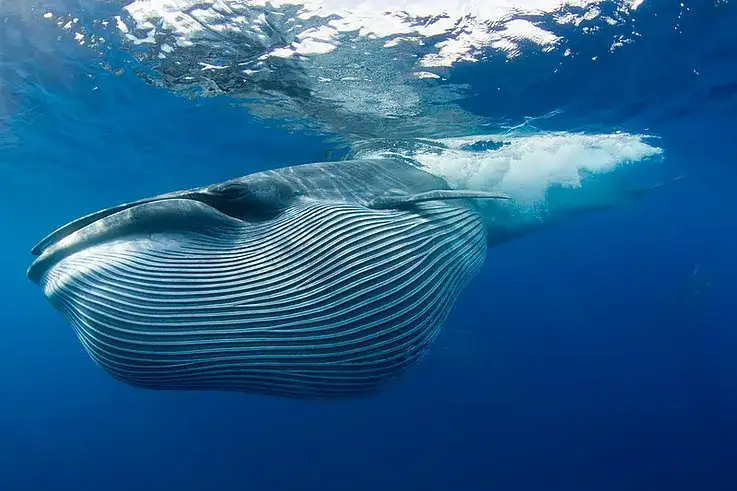
Baleen Giants of the Deep
Humpback whales belong to the suborder Mysticeti, commonly known as baleen whales. These magnificent creatures, unlike their toothed counterparts, possess baleen plates instead of teeth. This filtering apparatus is crucial for their feeding strategy, allowing them to strain vast quantities of small organisms, such as krill and small fish, from the water.
Read More: Orangutan Mothers Plan Playdates for Babies in Borneo
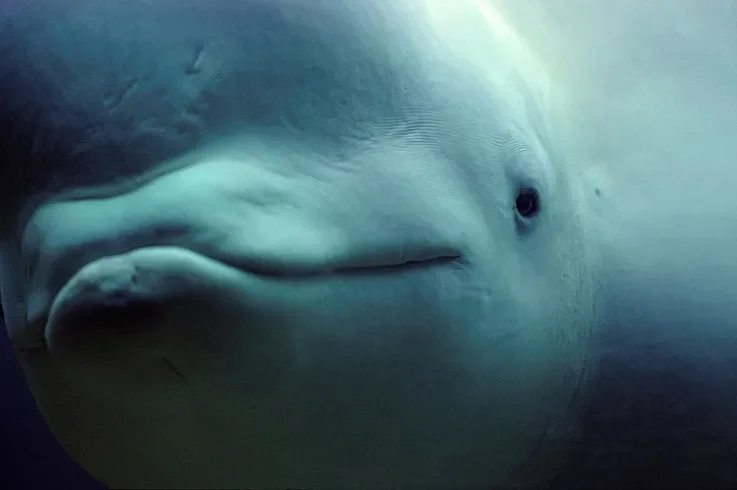
Filter Feeders: Baleen whales, including humpbacks, rely on these specialized plates for sustenance.
Vocalisors: Humpbacks are particularly renowned for their complex and melodic vocalizations, often referred to as "whale song," which can travel for miles beneath the ocean's surface.
Global Distribution: While many baleen whales prefer cooler, polar waters, species like the humpback undertake extensive migrations, connecting disparate ocean environments.
A World of Whales
The whale kingdom is broadly divided into two main groups: the aforementioned baleen whales (Mysticeti) and toothed whales (Odontoceti). This latter group encompasses a diverse array of species, including the colossal sperm whale – the largest toothed predator on Earth – as well as dolphins, porpoises, and orcas. Toothed whales possess a distinct method of perceiving their environment through active echolocation, using sound reflections to navigate and hunt.
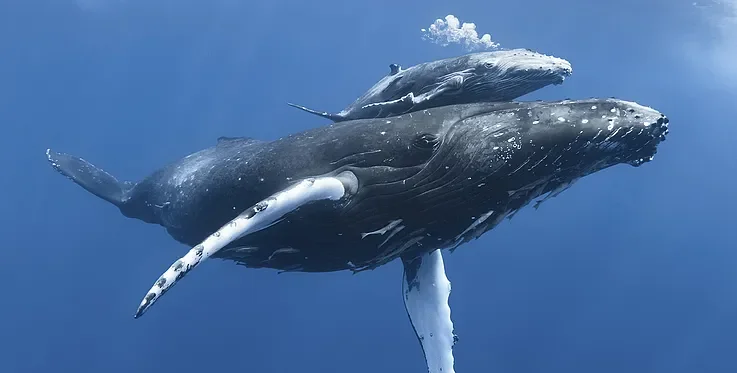
Whales, in general, are warm-blooded mammals that breathe air and nurse their young. Their presence is felt in every ocean globally, with sizes ranging dramatically from a few feet to over 90 feet, and weights reaching up to 200 tons. Their migratory patterns are often dictated by breeding needs and feeding opportunities, connecting polar feeding grounds with tropical breeding sanctuaries.
Whales represent some of the largest animals to grace the planet, a testament to the ocean's capacity to sustain immense life forms. Their continued journeys, like this record-breaking humpback's, serve as potent reminders of the dynamic and interconnected nature of our planet's marine ecosystems.
Read More: Margaret River Named World's Best Wine Place


:strip_icc()/GettyImages-688951857-586d7be13df78c17b6e3a3cb.jpg)


