Perplexity, the conversational AI search engine, is signaling a significant shift, hinting at a future where user devices, specifically laptops, could shoulder the computational load of complex AI models. This potential move towards a more distributed, hybrid AI infrastructure stands apart from the prevailing cloud-centric approach.
The core proposition involves transforming personal computing devices into local data processing hubs for AI, reducing reliance on centralized servers. This pivot, though still in nascent stages of discussion, suggests an ambitious undertaking to reconfigure how AI services are delivered and accessed.
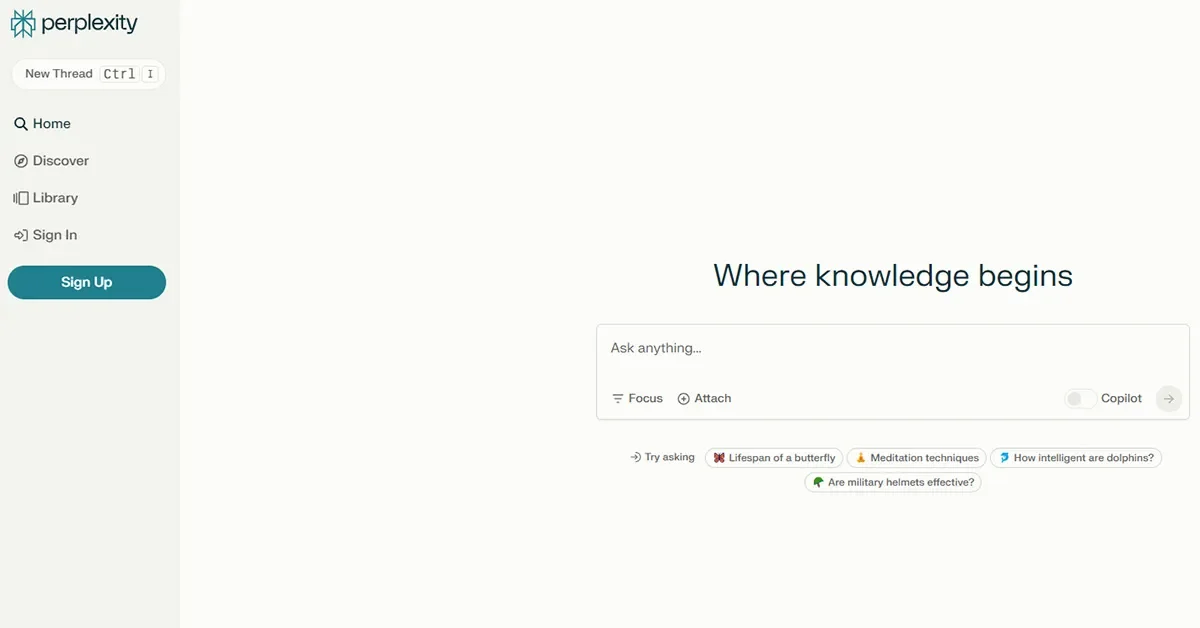
Perplexity offers a tiered service model, with a free tier providing basic conversational search capabilities. Upgraded versions, designated as 'Pro', unlock advanced features. These enhancements include access to premium AI models like GPT-4 and Claude, expanded file upload limits, and API integrations, alongside increased daily 'Pro searches'.
Read More: Chrome mimeHandler API lets extensions handle file types
The company's platform allows users to customize their experience. This includes altering profile details, switching interface themes (light/dark), and managing account types. For free users, there's a cap of five 'Pro' searches daily, three file uploads, and the ability to create and save 'Threads' and 'Collections'. The 'Discover' and 'Focus' thematic orientation features are also available to all users.
While Perplexity functions as a conversational AI search engine, akin to competitors like ChatGPT and Bard, its architectural ambitions appear to diverge. The stated goal of Perplexity is to deliver "reliable facts in seconds."
The expansion of features, particularly the enhanced file upload capabilities and access to advanced models like GPT-4, positions Perplexity as a contender in the burgeoning AI chatbot landscape. This strategic direction, detailed across various user interfaces and application portals, indicates a push to broaden user engagement and functionality.
Read More: New AI Method Maps API Logic for Safety by April 7, 2026
The move towards incorporating more sophisticated AI models is a clear attempt to remain competitive. Options listed for user selection include models from OpenAI, Google AI, and Meta AI, alongside Perplexity's own proprietary offerings. This includes a range of NVIDIA and Mistral models, highlighting a commitment to leveraging diverse AI architectures.
The introduction of features that allow users to define the AI's profile also suggests a move towards greater user control and personalization within the AI interaction. The availability of Perplexity AI across multiple platforms – web, Android, iOS, and Windows – further solidifies its reach.
Background: The AI sector has largely gravitated towards cloud-based infrastructure, concentrating processing power and data in large data centers. This centralized model offers scalability and consistent performance but raises concerns about data privacy, security, and reliance on a few major providers. Perplexity's exploration of a hybrid, decentralized model could represent a significant architectural departure, aiming to distribute computational burdens and potentially offer enhanced privacy and resilience by processing data closer to the user. The implications of such a shift, if realized, could reshape user expectations and the underlying economics of AI service delivery.
Read More: BEREC Asks for Mobile Network API Ideas from Developers