


WASHINGTON D.C. – The Pentagon has redesignated its press office as a 'Sensitive Compartmented Information Facility' (SCIF), effectively barring journalists from accessing the area. Officials cite the presence of speechwriters who handle classified material as the reason for this shift, which curtails direct interaction with public affairs officers. This move, confirmed by acting Pentagon press secretary Joel Valdez, represents a further tightening of media access at the Defense Department.
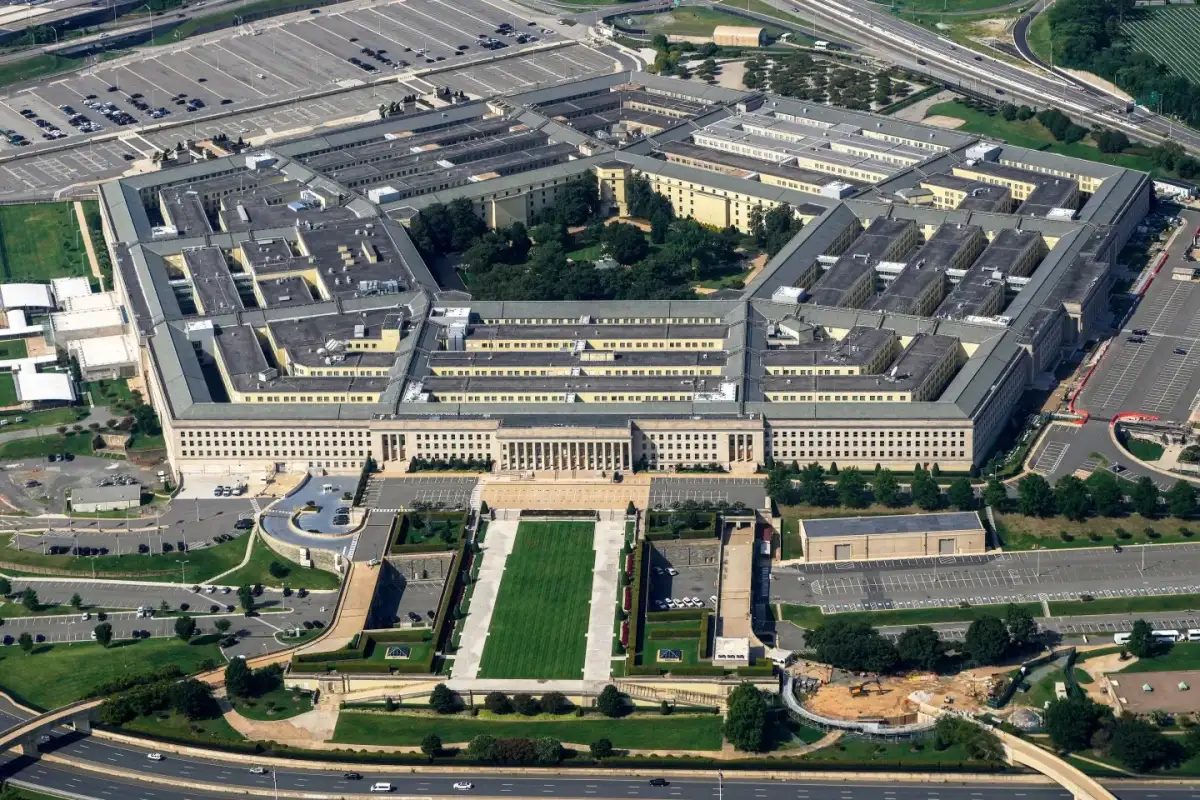
The redesignation of the press office to a SCIF means journalists can no longer enter the space to interact with officials. This follows a pattern of restricted media access initiated by Defense Secretary Pete Hegseth, who has sought to "sharply curtail access for the media."

The Pentagon's assertion that this change is "nothing controversial" stands in stark contrast to concerns raised by press freedom advocates. For years, reporters held credentials granting them broader access within the building. However, these privileges were largely rescinded last October when numerous news organizations surrendered their access badges in protest of government-imposed restrictions on their reporting.
Read More: Acting DNI Pulte Fires Dozens of Intelligence Officials Starting Thursday
This latest development comes amidst ongoing tension between the Defense Department and the press. Reporters now face increased difficulty in connecting with Pentagon spokespeople, as the previously accessible room for press interactions is no longer open without a scheduled appointment. Some reports indicate that this restriction aims to prevent the leaking of sensitive information and bolster security.
This policy is not without its challenges and legal scrutiny. The 'New York Times' initiated a lawsuit against the Defense Department in late 2025 concerning these evolving access policies. A federal judge has reportedly rejected the Pentagon's press guidelines on two separate occasions, finding them to be in violation of the First Amendment. This recent closure of the press office is seen by a broad range of journalism and press freedom organizations as a move that diminishes transparency and impedes independent newsgathering.
Read More: New York City Mamdani Administration Fights for 9/11 Records


