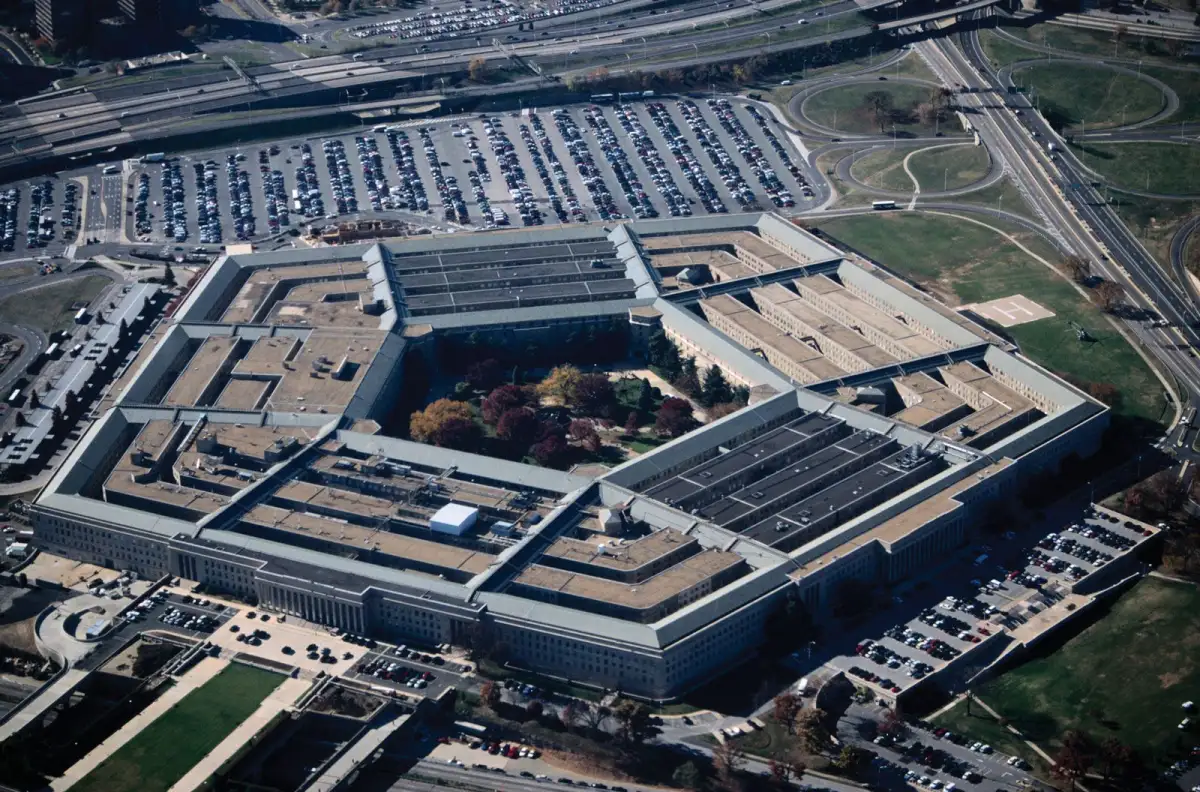
A former participant in the January 6th Capitol events, who had previously expressed remorse for his "foolish" conduct, has recently secured employment within the Pentagon. This development, surfacing this week, has drawn scrutiny and sparked discussion about vetting processes for individuals working in sensitive government capacities.
The individual's new role involves him being in a position that grants him access to government systems, a detail that has become a focal point of concern for those following the case and the broader implications of his employment. His past public statements, where he described his actions on January 6th as regrettable and ill-considered, stand in stark contrast to his current government affiliation.
The exact nature of his duties and the duration of his employment at the Pentagon remain subjects of inquiry. Reports indicate that his work is not classified but involves handling sensitive information. The Pentagon has not released a detailed statement regarding the specific circumstances of his hiring, citing standard protocols around personnel matters.
Read More: Acting DNI Pulte Fires Dozens of Intelligence Officials Starting Thursday
The individual was not among those charged with violent offenses related to January 6th. His case was resolved through other legal avenues, and his sentence reflected the specifics of his involvement. This outcome, however, has not diminished the public’s interest in his subsequent career trajectory, particularly given the venue.
The broader conversation ignited by this news touches upon the complexities of rehabilitation, the enduring impact of political events, and the procedures by which individuals with a documented history of participation in such events are integrated into federal service. The juxtaposition of his past admissions of regret with his present government role serves as a point of contemplation for observers.