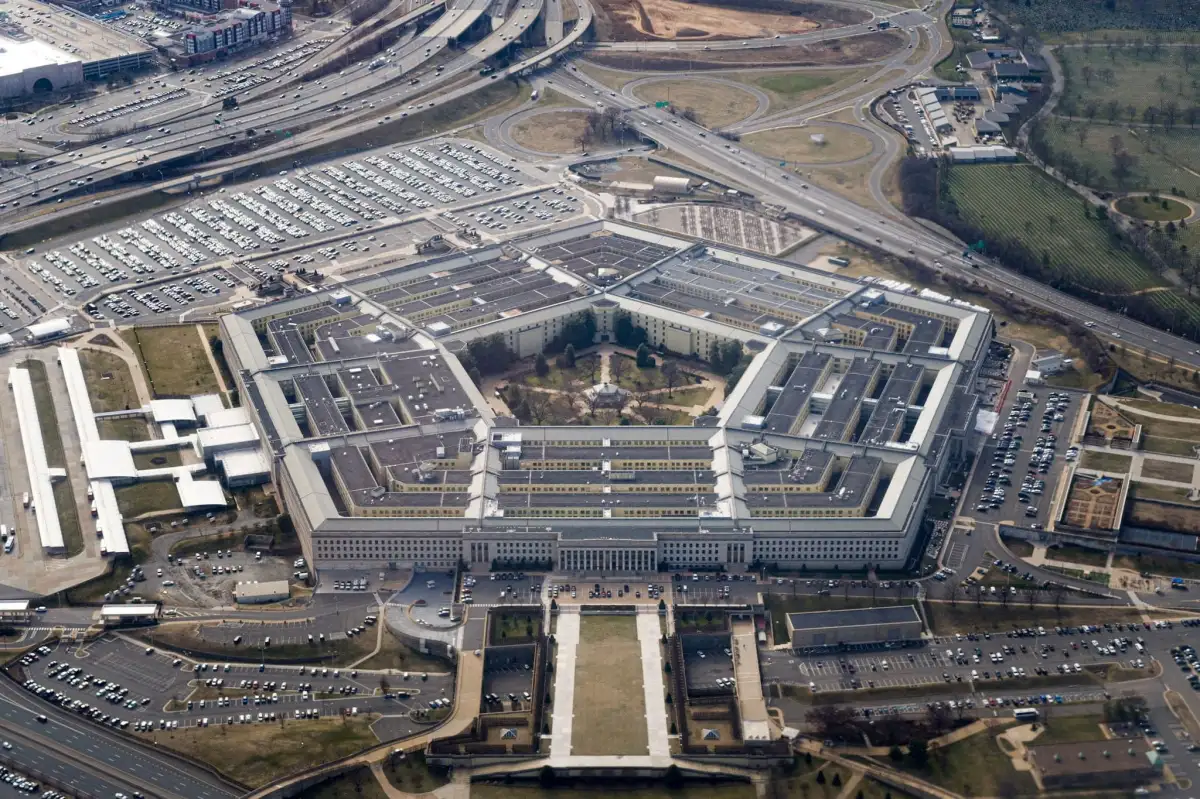
The U.S. Department of Defense has summoned Anthropic CEO Dario Amodei to the Pentagon, signaling a significant disagreement over the use of artificial intelligence in military operations. At the core of the issue are the restrictions Anthropic places on its Claude AI system, particularly concerning applications like mass surveillance and the deployment of autonomous weapons. This meeting highlights a growing tension between technology developers and government agencies regarding the ethical boundaries and national security implications of advanced AI.
The Pentagon is pushing Anthropic to lift restrictions on its Claude AI, particularly for military uses such as mass surveillance and autonomous weapons. Anthropic has reportedly resisted these demands, leading to a potential rupture in their relationship, including the possibility of a supply chain risk designation that could void contracts.

Context of the Disagreement
The U.S. Department of Defense has sought to integrate Anthropic's Claude AI into classified networks. Reports suggest that Claude is currently the only AI model available for such use. However, Anthropic has maintained certain safeguards that limit how its technology can be employed.
Read More: Chrome mimeHandler API lets extensions handle file types
The Pentagon, led by Defense Secretary Pete Hegseth, is reportedly pushing for broader access and fewer restrictions on Claude.
This push is framed as a critical need for national security, especially in areas involving unmanned systems and intelligence gathering.
Anthropic's stance on maintaining restrictions stems from concerns about the ethical implications of its AI being used for sensitive or potentially harmful military applications.
The situation has escalated to the point where the Pentagon is reportedly considering designating Anthropic as a supply chain risk. Such a designation could have significant repercussions, potentially leading to the voiding of existing contracts and compelling other defense partners to cease using Anthropic's technology.
Anthropic has a substantial existing contract with the Department of Defense, reportedly worth $200 million.
There are reports that Claude has already been used in operational contexts, including the U.S. military's operation involving former Venezuelan President Nicolas Maduro, facilitated through a partnership with Palantir.
Escalation and Potential Consequences
The meeting between Secretary Hegseth and CEO Amodei is described as a critical juncture, with one report characterizing it as an "ultimatum." The stakes appear high for both parties involved.

The Pentagon's position is that restrictions must be lifted, or business may be taken elsewhere. This threat is particularly potent given Anthropic's established presence within the Department of Defense.
If the Pentagon proceeds with a supply chain risk designation, it could effectively sever ties with Anthropic and discourage other defense contractors from utilizing Claude.
This dispute is not isolated to Anthropic; the Pentagon has reportedly engaged other major AI companies, including OpenAI, Google, and xAI, regarding similar issues of unrestricted access to their AI tools on classified networks.
Anthropic's Stance and Corporate Communication
While official statements from Anthropic are limited, the company's spokesperson has indicated that specific operational uses of Claude with the Pentagon have not been discussed. This suggests a disconnect between the Pentagon's purported demands and Anthropic's reported understanding of their engagement.
Anthropic's general policy is to apply standard restrictions to users of its AI models, a practice that appears to be a point of contention with the Pentagon.
The company's commitment to ethical AI development likely informs its reluctance to permit unrestricted use in high-stakes military scenarios.
Expert Perspectives on Military AI Ethics
The clash between the Pentagon and Anthropic underscores a broader debate within the artificial intelligence community and among policymakers regarding the responsible deployment of AI in defense.
Discussions around national security priorities often encounter ethical considerations related to the autonomy and application of AI systems.
The potential for AI to be used in mass surveillance or lethal autonomous weapons raises significant concerns about accountability, human oversight, and the potential for unintended consequences.
The involvement of private companies in developing and deploying military AI also introduces questions about corporate responsibility and the balance between profit motives and ethical imperatives.
Evidence and Reporting
The reporting on this dispute is based on information attributed to administration officials and reports from various news outlets, including Axios and Reuters.
Read More: Ukraine gets 100 Patriot missiles with $1 billion EU loan for defense
The New Republic cited sources indicating Secretary Hegseth summoned CEO Amodei for a meeting described as an ultimatum regarding restrictions on Claude AI for military use.
The AI Insider reported on the Pentagon's consideration of a supply chain risk designation for Anthropic due to its refusal to support certain military applications.
CNBC referenced reports from Axios and Reuters about the Pentagon's broader push for AI companies to remove restrictions on classified networks and the potential threat of ending relationships.
The Wall Street Journal provided a specific instance of Claude's alleged use in a military operation, linking it to Palantir's partnership.
The core of the dispute centers on the Pentagon's desire for unrestricted use of Anthropic's Claude AI, particularly for sensitive military applications, and Anthropic's insistence on maintaining ethical safeguards. This has led to serious consideration by the Pentagon of measures that could terminate their business relationship.
Sources Used
The New Republic: https://newrepublic.com/post/206925/hegseth-anthropic-ai-militarySummary Context: Reports on Secretary Hegseth summoning Anthropic CEO Dario Amodei and the perceived ultimatum regarding AI restrictions for military use.
The AI Insider: https://theaiinsider.tech/2026/02/23/pentagon-summons-anthropic-ceo-amid-dispute-over-military-use-of-claude-ai/Summary Context: Details the Pentagon's discussions with Anthropic CEO and the potential supply chain risk designation due to ethical limits on AI use.
CNBC: https://www.cnbc.com/2026/02/16/pentagon-threatens-anthropic-ai-safeguards-dispute.htmlSummary Context: Covers the Pentagon's reported threat to end its relationship with Anthropic over AI safeguards and its broader pressure on AI companies.
The Wall Street Journal: Mentioned within the CNBC article, detailing the use of Claude in a military operation. (No direct link provided or summary available in input.)
Moneycontrol: https://www.moneycontrol.com/world/why-the-pentagon-and-anthropic-are-clashing-over-military-use-of-ai-article-13835568.htmlSummary Context: The provided summary was a promotional blurb for Moneycontrol Pro and did not contain information relevant to the dispute between the Pentagon and Anthropic. Therefore, it is not included in the evidence list.