As of May 5, 2026, the Strategic Mutual Defence Agreement (SMDA) between Saudi Arabia and Pakistan has matured into a formal instrument of military coordination. The pact, ratified late last year, institutionalizes permanent joint committees, intelligence sharing, and, critically, the deployment of four army brigades, two air force squadrons, and two naval fleets from Pakistan to the Kingdom.
The core utility of this agreement lies in the transfer of security burdens, where Riyadh provides economic stability for Islamabad in exchange for professional military infrastructure and force projection capabilities.
Tactical Proliferation and the China Factor
While political rhetoric often gravitates toward the possibility of a "nuclear umbrella," current evidence points toward a more concrete, conventional reality: the pact functions as a conduit for Chinese military technology.
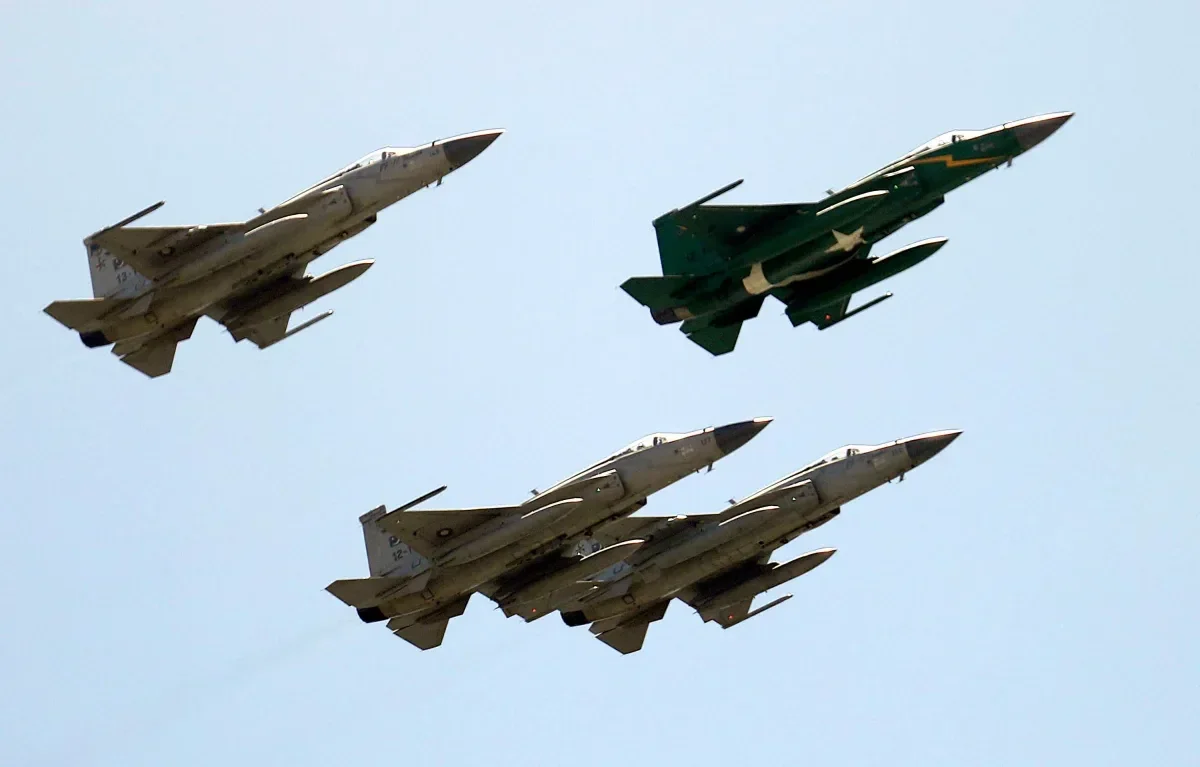
Intermediary Role: By using Pakistan as a proxy, Beijing is bypassing Western export constraints. This allows the integration of advanced hardware—such as the Shahpar-III unmanned systems and potentially Chinese fighter jets—into the Saudi inventory without triggering immediate diplomatic friction with Washington.
Nuclear Ambiguity: Despite ongoing speculation regarding nuclear deterrence, no official protocol mandates a Pakistani nuclear response to a Saudi threat. The ambiguity, however, remains a persistent friction point for India and Israel, both of which view the formalization of this relationship as a degradation of their regional security hedges.
Economic Integration: The pact creates a structural opening for the export of Chinese Hualong One PWR nuclear reactor technology to Saudi Arabia, as Riyadh seeks indigenous energy autonomy outside the oversight of established Western suppliers.
Regional Ripple Effects
The SMDA fundamentally alters the regional calculus in the Middle East and South Asia:
Read More: AFP Reviews War Crime Claims Against Australian in Gaza
| Stakeholder | Primary Concern | Strategic Response |
|---|---|---|
| United States | Loss of regional hegemony | Observed "buck-passing" / cautious toleration |
| India | Military parity/encirclement | Wedge-driving / strategic reassessment |
| Israel | Shift in nuclear equilibrium | Heightened monitoring of regional proliferation |
Background: Shifting Security Architectures
Historically, the security of the Gulf has been defined by U.S. CENTCOM commitments. The SMDA marks a significant pivot; it represents an attempt by regional powers to hedge against U.S. domestic policy fluctuations. By formalizing this "brotherly" defense pact, both Riyadh and Islamabad have essentially bypassed the traditional reliance on Western security architectures.
The agreement, while often framed in headlines as a Nuclear Umbrella, operates primarily as a Strategic Coordination mechanism. For Beijing, the pact serves as a silent back door to Restricted Markets, effectively reducing the efficacy of international sanctions by utilizing the Saudi-Pakistani Defense Relationship to obscure end-user pathways.