Paul Wanner, the twenty-year-old attacking midfielder currently employed by PSV Eindhoven, has formally ended his period of international indecision. He has filed paperwork to switch his sporting allegiance from Germany to Austria. The move concludes a two-year sequence of administrative stalling and follows a clear signal that he is not part of Julian Nagelsmann’s senior plans for the German national collective.
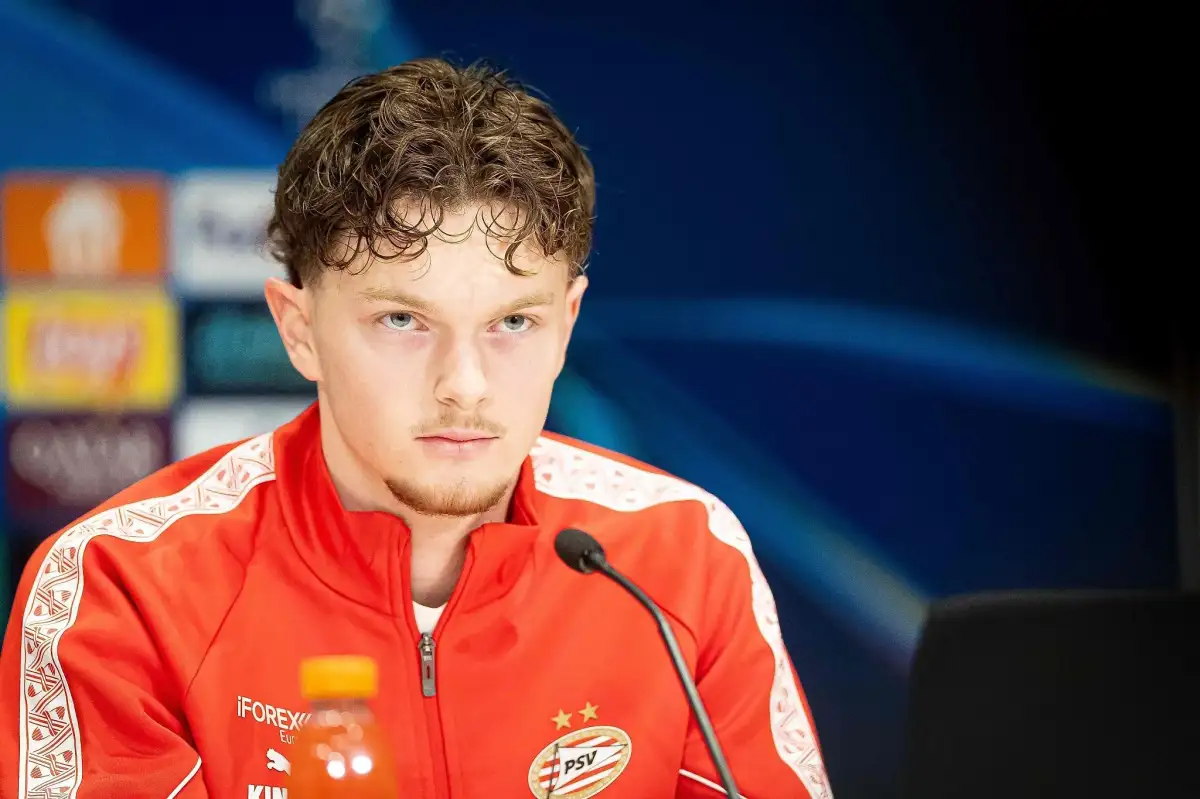
Wanner aims to participate in the 2026 World Cup with the ÖFB, opting for immediate utility over the high-friction competition of the German squad.
He accumulated 27 caps for German youth teams (U21 and below) before this pivot.
The player moved from Bayern Munich to PSV Eindhoven for €15 million last summer after a loan period at Heidenheim.
His current statistical output in the Dutch league sits at 3 goals in 17 appearances, a trajectory described by local observers as a struggle to maintain early-season momentum.
The Transactional Nature of the Pitch
The choice appears less about cultural soul-searching and more about the logistics of the 2026 World Cup. Austrian head coach Ralf Rangnick has maintained an open line of communication with Wanner, offering a direct path to the senior roster that the DFB (German Football Association) would not guarantee.
Read More: Man Utd Stalls Lewis Hall Transfer to Prioritize Midfield Signings
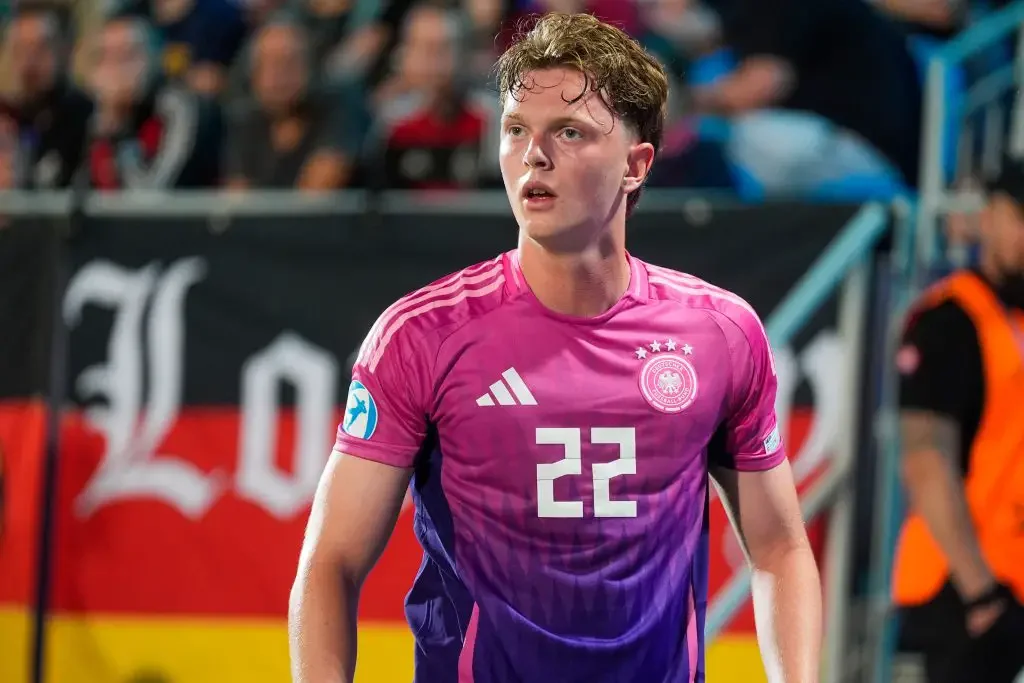
"I feel incredibly honored that two associations tried to convince me," Wanner stated, framing the national identity as a competitive recruitment process.
| Metric | Detail |
|---|---|
| Current Club | PSV Eindhoven |
| Market Value (Last Transfer) | €15,000,000 |
| National Team Switch | Germany (Youth) → Austria (Senior) |
| Caps for Germany U21 | Final appearance in October 2025 |
| Stated Objective | World Cup 2026 participation |
Career Friction and Market Movements
Wanner’s departure from Bayern Munich was not a clean break. He reportedly lodged a transfer request at the start of the season, a move that drew public friction from the Munich hierarchy. This administrative "giving up" on the German club system preceded his "giving up" on the German national system.
Critics suggest the switch is a survival mechanism. After a stint at Heidenheim where he failed to fully solidify his "potential" (a word often used to mask inconsistent production), the move to the Eredivisie was meant to reset his value.
Rangnick’s Timeline: The Austrian coach is expected to formally name Wanner to the squad on March 16.
Performance Gap: While labeled a "phenom" by promotional outlets, his recent form in Holland suggests a player still searching for a fixed identity on the grass.
German Response: The lack of a senior call-up from Nagelsmann served as the catalyst for this paperwork.
Background: The Stalling of a Prodigy Narrative
For nearly two years, the German and Austrian federations engaged in a low-level tug-of-war for the midfielder’s allegiance. Wanner, born in Austria but raised within the German football apparatus, used this dual status as leverage while his club career fluctuated. The "prodigy" tag, applied during his early days at Bayern, has become a heavy garment. By choosing Austria, Wanner moves from being a fringe prospect in a deep German pool to a central pillar in a smaller, rising Austrian project. This is a move toward guaranteed minutes in a marketplace where "potential" is a devaluing currency.
Read More: Sony stops making PS5 game discs in Austria by January 2028