


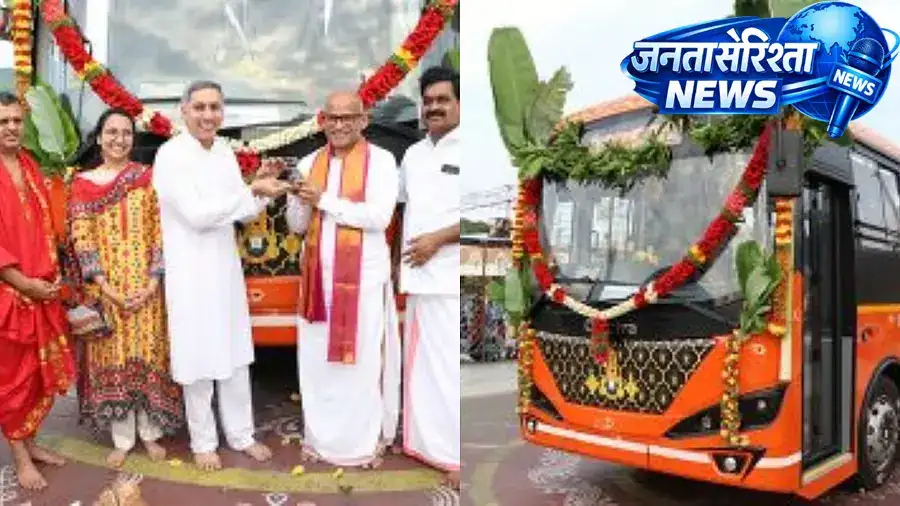
On May 16, 2026, Vardhaman Jain, chairman of Chennai-based Vara Future LLP, transferred ownership of an electric bus to the Tirumala Tirupati Devasthanams (TTD). The vehicle, valued at approximately ₹1.3 crore, was handed over to TTD Additional Executive Officer Ch. Venkaiah Chowdary at the Sri Venkateswara Temple in Tirumala.
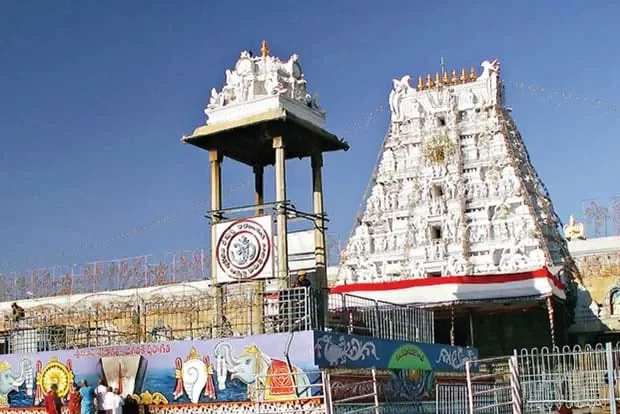
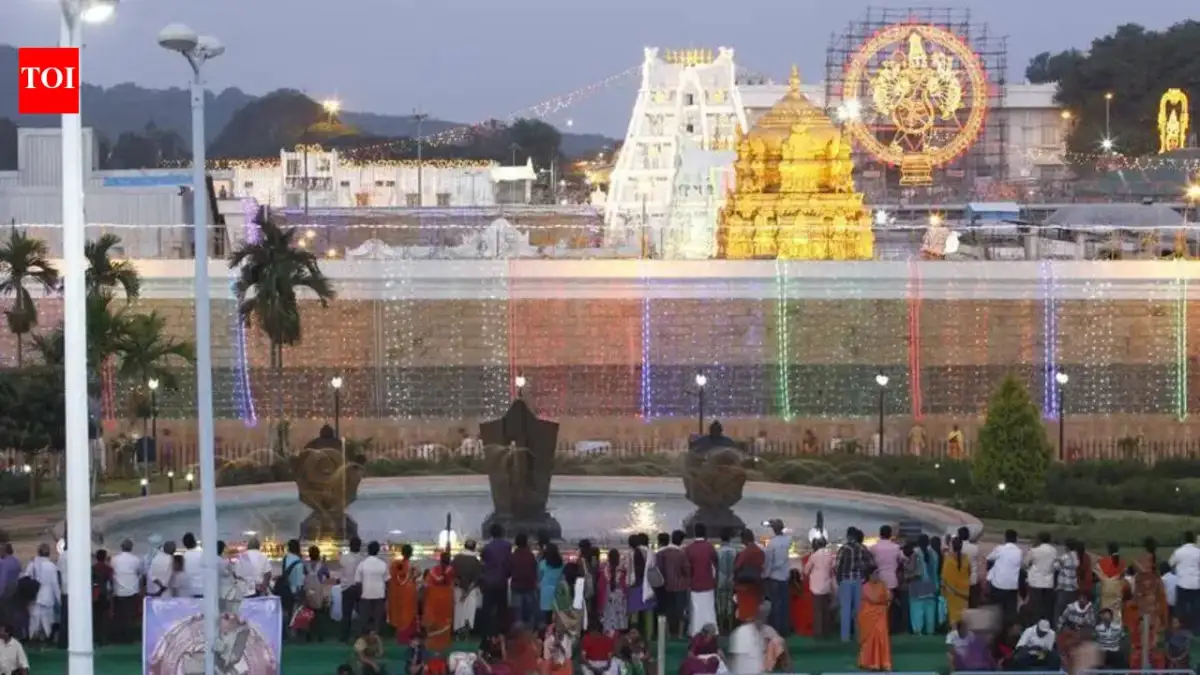
The donation functions as an integration of private corporate assets into the state-managed temple transport fleet, officially intended to facilitate free transit for a portion of the nearly 40,000 pilgrims visiting the shrine daily.
Operational Nuance and Contradictions
The integration of this electric vehicle into the TTD infrastructure has sparked conflicting reports regarding its service model.
While the TTD official press release and several local accounts explicitly label the service as "free," other reports suggest a "nominal fare" structure may apply, mirroring existing shuttle operations.
The deployment of the vehicle is being framed by temple administration as an effort to reduce the carbon footprint within the sacred Tirumala hill range, positioning the act as "environmentally conscious devotion."
The Political Economy of Donations
The TTD, as the custodian of the world’s wealthiest Hindu shrine, maintains significant financial reserves—including over 11,000 kilograms of gold and fixed deposits exceeding ₹18,000 crore.
| Entity | Contribution Type | Market Estimation |
|---|---|---|
| Vardhaman Jain (Vara Future LLP) | Electric Bus | ₹1.3 Crore |
| Sudarshan Enterprises (Historical) | Gold Shankha & Chakra | ₹2.4 Crore |
The reliance on corporate and individual philanthropy for operational assets—such as shuttles and infrastructure—occurs alongside active internal tensions within the board, including recent allegations of a ₹48 crore irregularity involving darshan ticket sales. The acceptance of such high-value donations by the temple trust serves to reinforce a symbiotic loop: corporations gain public visibility and "devotional" legitimacy, while the TTD offsets its logistical capital expenditures through external private influx.
Read More: MacKenzie Scott Gives $70 Million to Help Seniors Eat and Not Be Lonely
Investigative note: The pattern of private entities donating high-capital assets to the TTD remains a recurring phenomenon. Whether these contributions act as pure altruism or strategic brand alignment within a high-traffic religious ecosystem remains an open question for institutional scrutiny.

:max_bytes(150000):strip_icc():focal(666x0:668x2)/mackenzie-scott-jeff-bezos-met-gala-062325-11ef2998a6f2480180f5b08aeee78f25.jpg)

