The ongoing Parliament budget session has been marked by significant debate, particularly concerning India's trade agreements and national security. Opposition leader Rahul Gandhi has raised concerns about the implications of the India-US trade deal, specifically regarding energy security and the handling of national data. These assertions have been met with strong rebuttals from the government, led by Finance Minister Nirmala Sitharaman, who has defended the trade policies and accused the opposition of misrepresenting facts. The proceedings have also seen disruptions and walkouts, prompting discussions on parliamentary conduct and the efficient use of legislative time.

Parliamentary Disruptions and Key Issues
The budget session has experienced several days of disruption, with opposition members staging protests and walkouts. A central point of contention has been the stance taken by Rahul Gandhi on the India-US trade deal. He has argued that the agreement poses risks to India's energy security and suggests that Indian data is being compromised.
Read More: Ex-Counterterrorism Chief Says US Agencies Found Iran Not Building Nukes Before War

Rahul Gandhi's Arguments:
Stated that "people and data, food supply, and energy" are critical in turbulent times.
Claimed that India's energy security has been "handed over to US under trade deal," calling it a "wholesale surrender."
Referred to his "Jiu Jitsu, Grip, Choke" analogy, linking it to fear seen in eyes.
Emphasized the importance of Indian data in the country's equation with the US.
Raised concerns about China and the Galwan clash.
Government's Response:
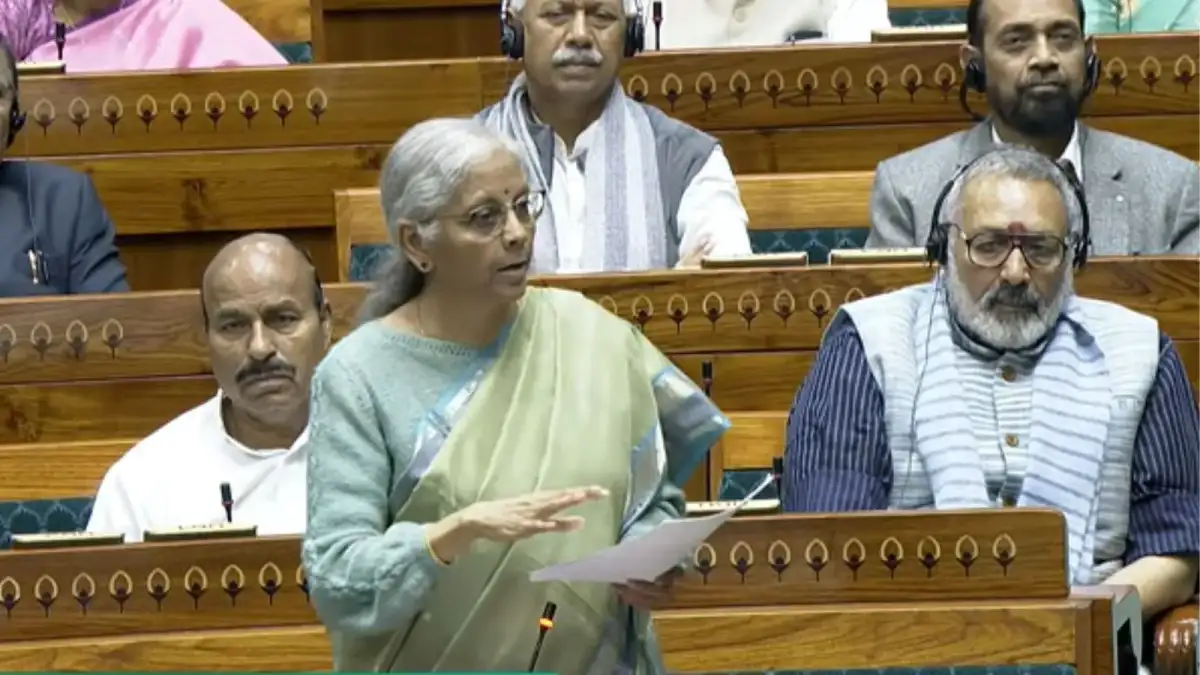
Finance Minister Nirmala Sitharaman countered by stating that the Congress "surrendered before WTO" and "sold farmers."
She highlighted the effective capital expenditure for FY 2026-27, amounting to Rs 17.1 lakh crore, representing 4.4% of GDP, intended to boost the "Viksit Bharat" goal.
Government officials, like Kiren Rijiju, have attributed house stalling to "Rahul Gandhi's stubbornness."
Debates on Trade and Data Security
The India-US trade deal has emerged as a focal point, with accusations and counter-accusations dominating discussions.
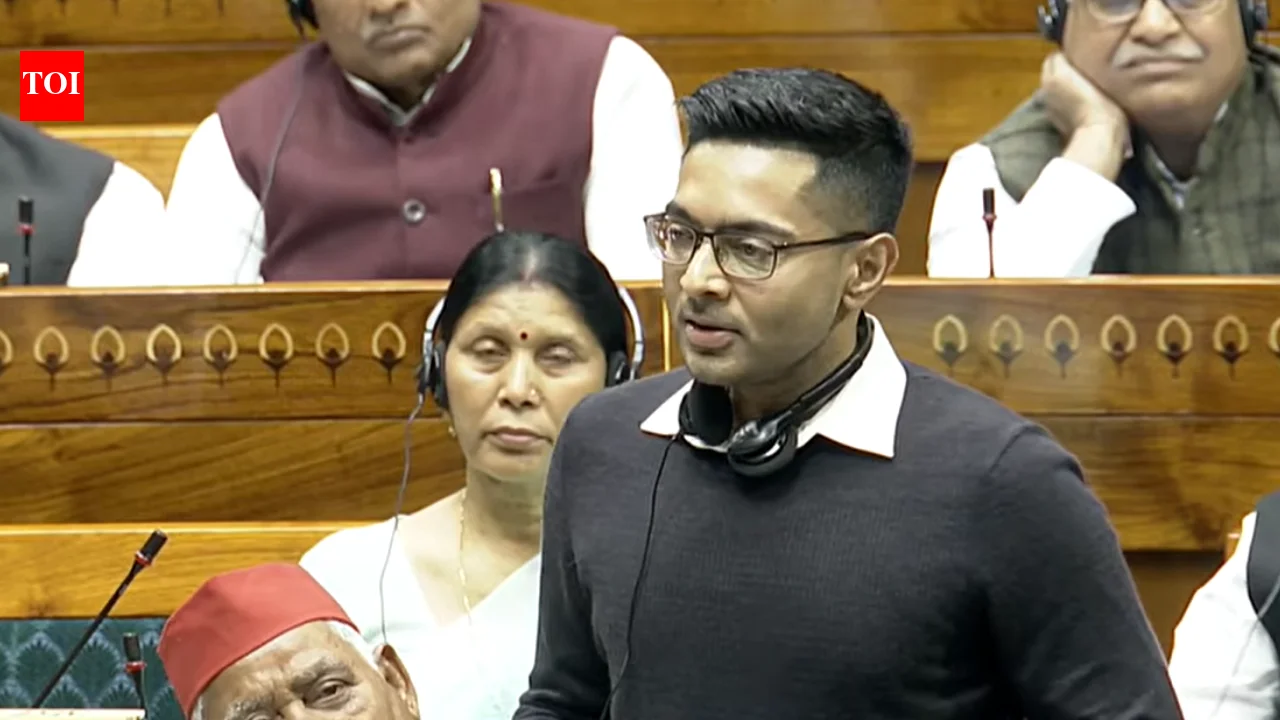
Rahul Gandhi: "Our energy security has been handed over to US under trade deal; this is a wholesale surrender."
Rahul Gandhi: "I said when you choke, you see fear in eyes."
Nirmala Sitharaman: "Cong surrendered before WTO, sold farmers."
The debate over the use and protection of national data in international agreements also featured prominently. Gandhi articulated that "Indian data is the most important in the country's equation with the US."
Financial Policy and Development Goals
Beyond the immediate political sparring, the session has also seen discussions on economic policy.
Finance Minister Nirmala Sitharaman detailed the government's financial strategy.
The effective capital expenditure for the Financial Year 2026-27 is Rs 17.1 lakh crore, including provisions for states and union territories.
This figure is stated to be 4.4% of the Gross Domestic Product (GDP).
The government has emphasized its thrust on Artificial Intelligence (AI) education, recognizing its potential.
Parliamentary Conduct and Time Management
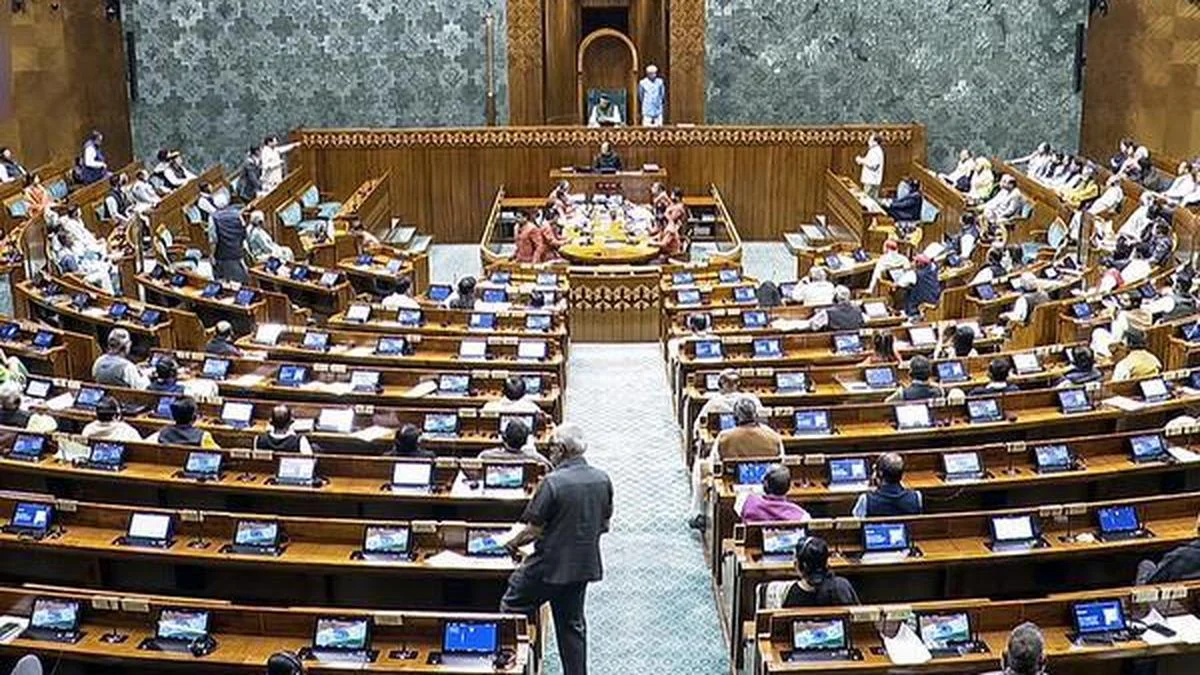
The repeated disruptions have led to concerns about the efficient functioning of Parliament.
Lok Sabha Speaker Om Birla noted that "19 hours of House time wasted."
Opposition MPs staged a walkout from the Lok Sabha during Question Hour, raising slogans.
There were discussions and plans for a no-confidence motion against Lok Sabha Speaker Om Birla due to repeated disruptions.
Opposition MPs also staged a walkout from the Rajya Sabha, alleging that Rahul Gandhi was prevented from speaking.
A dedicated discussion window from 5 pm to 8 pm daily was established to ensure members could voice opinions beyond standard house time.
Expert Analysis
While direct expert quotes are not available in the provided data, the exchanges reflect a pattern of sharp political opposition typical during budget sessions. The focus on national security, data, and trade deals suggests these are perceived as high-stakes issues with significant public resonance.
Conclusion and Implications
The budget session has been characterized by intense debate, with the India-US trade deal and national data security serving as primary points of contention between the government and the opposition, particularly led by Rahul Gandhi. While the government has defended its policies and highlighted economic progress, the opposition has raised critical questions regarding national interests. The disruptions and walkouts underscore the challenges in maintaining parliamentary decorum and ensuring productive legislative work. The session highlights the deep divisions on key policy matters and the strategic use of parliamentary platforms for political discourse.
Read More: Vadakara Election Results 2026: Anti-CPI(M) Votes Expected to Influence Outcome
Sources:
NDTV: https://www.ndtv.com/india-news/parliament-budget-session-live-updates-day-11-rahul-gandhi-to-address-lok-sabha-10986058 (Summary available, relevant to parliamentary proceedings and Rahul Gandhi's statements.)
The Times of India (Article 2): https://timesofindia.indiatimes.com/india/parliament-budget-session-2026-live-updates-pm-modi-bjp-congress-parliament-lok-sabha-rajya-sabha-naravane-memoir-february/liveblog/128187019.cms (Summary available, details Sitharaman's remarks and opposition walkout.)
The Indian Express: https://indianexpress.com/article/india/parliament-budget-session-2026-live-updates-lok-sabha-rajya-sabha-rahul-gandhi-narendra-modi-10525795/ (Summary available, focuses on Rahul Gandhi's statements regarding data and energy security.)
News18: https://www.news18.com/india/parliament-budget-session-2026-live-lok-sabha-adjourned-after-rahul-gandhi-rakes-up-china-again-9888806.html (Summary available, details adjournments, no-confidence motion, and Rahul Gandhi's statements on China.)
Deccan Herald: https://www.deccanherald.com/india/parliament-budget-session-live-updates-lok-sabha-rajya-sabha-to-discuss-union-budget-2026-bjp-congress-narendra-modi-rahul-gandhi-nirmala-sitharaman-3888485 (Summary available, discusses opposition allegations about not being allowed to speak and the passing of the Motion of Thanks.)
The Times of India (Article 6): https://timesofindia.indiatimes.com/india/parliament-budget-session-2026-live-updates-pm-modi-bjp-congress-parliament-lok-sabha-india-us-trade-deal-february/liveblog/128096796.cms (Summary available, mentions dedicated discussion windows and opposition strategy meetings.)