A prominent political debate is unfolding in Puducherry regarding the Union Territory's status and its impact on governance. Key political actors, including the Chief Minister and opposition parties, are expressing concerns that the current administrative structure, where an elected government operates with limited powers, raises questions about the true value of contesting elections. This sentiment suggests a potential disconnect between democratic participation and effective governance, prompting a deeper look into the ongoing demand for full statehood.

Historical Context of Puducherry's Status and Statehood Demand
Puducherry, a former French colony, has been a Union Territory of India since 1962. This administrative status means it is directly governed by the Central government, with an elected legislative assembly and a council of ministers that handle local affairs. However, the Lieutenant Governor, appointed by the President of India, holds significant executive powers, often leading to friction with the elected government.
Read More: Senate Republicans Vote on SAVE America Act for Election Rules on Saturday

The demand for statehood for Puducherry is not new, with the Assembly passing 16 resolutions urging for full statehood over the years.
Major political parties, including the DMK and the AINRC (All India NR Congress) led by Chief Minister N. Rangasamy, have consistently voiced this demand.
During election campaigns, national and regional parties often pledge to grant statehood if they come to power, as seen with the INDIA bloc's promise.
Political Discourse on Limited Powers and Election Meaning
Recent statements highlight a growing sentiment that Puducherry's current status hinders effective governance, making the act of contesting elections seem less impactful.
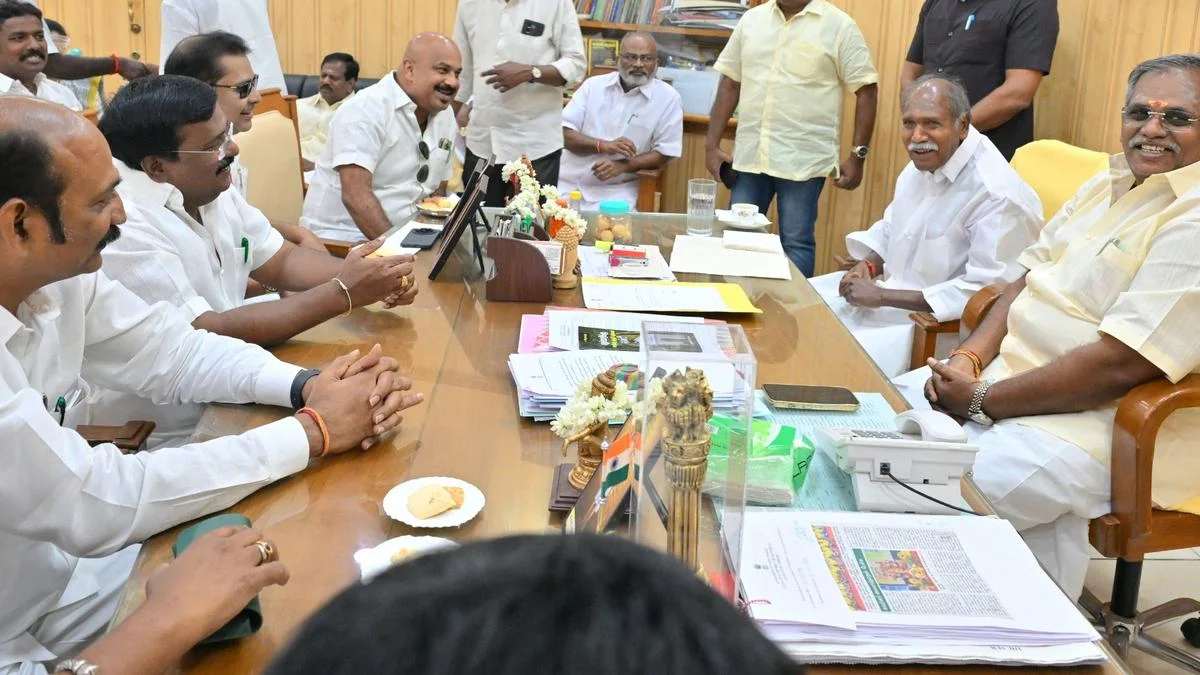
Chief Minister N. Rangasamy has repeatedly stated that an "elected government has limited powers" under the current Union Territory status. He contends that administrative hurdles and bureaucratic delays impede development, particularly in attracting investment and industrial growth.
"Only when we have Statehood will Puducherry progress. The Chief Minister pointed out that M.K. Stalin, the Chief Minister of the neighbouring State of Tamil Nadu, was able to meet investors, invite them, and give speedy clearance for setting up industrial units." (Article 17)
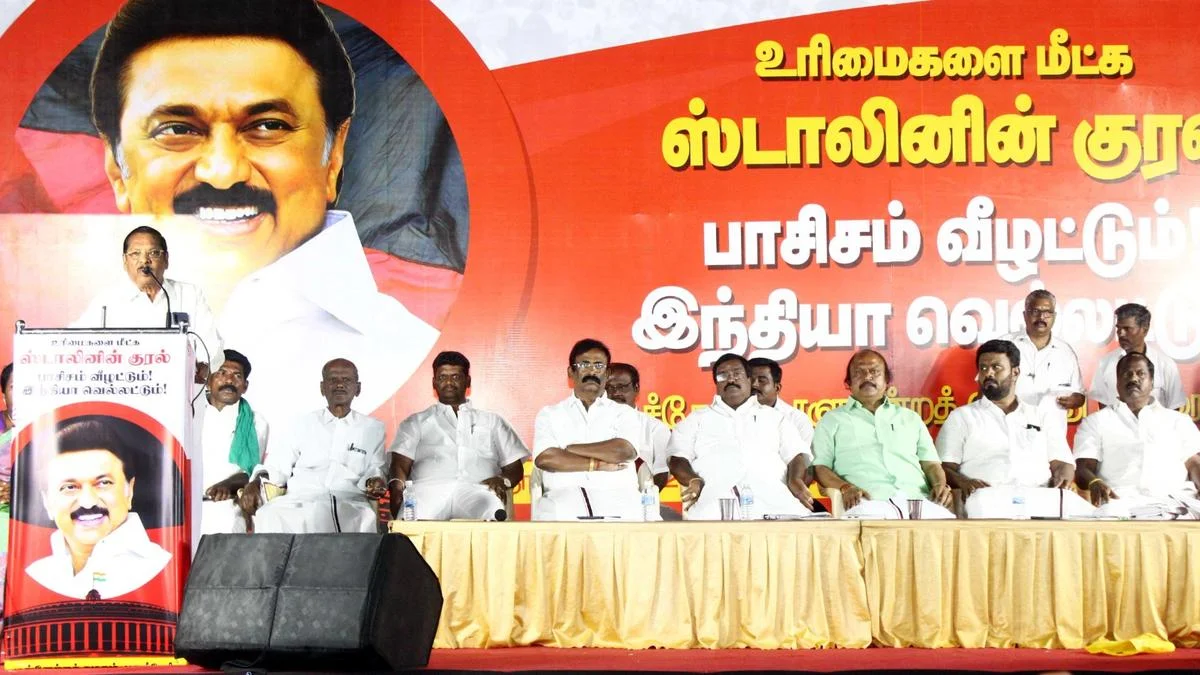
The DMK has echoed these sentiments, with party leaders suggesting there is "no point in contesting a poll if the government is powerless." This viewpoint implies that without full state powers, elected representatives are unable to enact meaningful change for the populace.
"DMK chief MK Stalin said that the INDIA bloc, if voted to power after Lok Sabha polls, will provide statehood to Puducherry." (Article 3)"DMK legislator Senthil Kumar said there was no logic behind the move to keep Puducherry a Union Territory." (Article 9)
The AIADMK, however, has accused Chief Minister Rangasamy of "cheating" people on the statehood issue, suggesting that his actions or inactions have not translated into progress.
"He is cheating the people of Puducherry. But he did nothing." (Article 8)
Actor-politician Vijay has also spoken on the issue, criticizing the central government for ignoring Puducherry's demand for statehood while also cautioning voters against the DMK. He has pledged his party's commitment to Puducherry's development.
"He also criticized the Centre for ignoring Puducherry's long-standing demand for statehood, highlighting 16 Assembly resolutions passed over the years." (Article 3)
Administrative Hurdles and Their Impact on Governance
The core of the statehood demand stems from the administrative challenges faced by the elected government in Puducherry.
Bureaucratic Delays: CM Rangasamy has cited bureaucratic delays as a significant impediment to investment and industrial growth, directly impacting Puducherry's economic development.
Limited Executive Authority: The powers vested in the Lieutenant Governor often overshadow those of the elected Chief Minister and council of ministers, leading to potential governance gridlock.
"The post of the Lt. Governor in Puducherry was vested with enormous administrative powers." (Article 10)
Comparison with Neighboring States: The Chief Minister has drawn parallels with states like Tamil Nadu, highlighting how their Chief Ministers can expedite investor approvals and development projects due to their full state status.
Political Promises and Electoral Landscape
The promise of statehood is often a recurring theme in Puducherry's political discourse, particularly during election periods.
The INDIA bloc, a coalition including the DMK, has pledged to grant statehood if elected.
Chief Minister N. Rangasamy's AINRC has been a consistent advocate for statehood, with the demand forming a key part of their political platform.
The DMK, as the principal opposition, has been vocal in its criticism of the current administrative structure and has sought to position itself as a champion of statehood.
Conclusion and Future Implications
The persistent demand for statehood in Puducherry highlights a fundamental governance challenge: the perceived imbalance of power between the elected government and the Union Territory's administrative structure. The recent statements from Chief Minister Rangasamy and the DMK underscore a growing disillusionment with the current system, questioning the efficacy of democratic processes when decision-making authority remains concentrated at the Centre.
The discourse suggests a potential shift in political strategy, where the viability of elections is being tied directly to the powers available to the elected government.
This situation could lead to increased pressure on the central government to address Puducherry's statehood aspirations.
The upcoming 2026 Assembly elections may see statehood becoming an even more central campaign issue, potentially influencing voter choices based on which party or alliance demonstrates a stronger commitment to granting greater autonomy.
The effectiveness of any future government in Puducherry, regardless of electoral success, will likely hinge on the resolution of this long-standing demand for full statehood.
Key Sources
The Hindu: Primary source for recent statements by CM Rangasamy and the DMK regarding statehood and election viability. (https://www.thehindu.com/news/cities/puducherry/puducherry-statehood-no-point-in-contesting-poll-if-government-has-no-power-says-dmk-cm-rangasamy-concurs/article70623258.ece)
The Economic Times: Provides context on political promises, including the INDIA bloc's pledge for statehood, and mentions the historical context of statehood demand. (https://economictimes.indiatimes.com/topic/statehood-for-puducherry)
New Indian Express: Details CM Rangasamy's reiteration of the statehood demand, citing administrative hurdles. (https://www.newindianexpress.com/states/tamil-nadu/2025/Mar/26/puducherry-cm-rangasamy-reiterates-demand-for-statehood-cites-administrative-hurdles)
The Hindu (March 25, 2025): Reports on CM Rangasamy reiterating the demand for statehood in the Assembly, emphasizing its necessity for progress. (https://www.thehindu.com/news/cities/puducherry/cm-rangasamy-reiterates-demand-for-statehood-for-puducherry-in-assembly/article69372149.ece)
The Hindu (March 27, 2025): Covers the Puducherry Assembly adopting a resolution demanding statehood for the 16th time, with DMK support. (https://www.thehindu.com/news/cities/puducherry/puducherry-assembly-adopts-resolution-demanding-statehood-for-16th-time/article69380681.ece)