Parents are increasingly leaning on a raft of technological aids to manage infant and toddler sleep, with smart shades and sophisticated monitors becoming central to creating what is termed a "sleep-friendly" environment. This reliance is particularly pronounced in attempts to darken rooms and observe children, with a notable focus on 'smart shades' that promise drastic improvements in sleep quality.
The integration of technology into childcare, particularly concerning sleep, is marked by devices like SmartWings Smart Shades, highlighted for their effectiveness in maintaining darkness. Complementing this, baby monitors are presented not just for visual surveillance but also for their audio capabilities, allowing parents to stay attuned to their child's needs without constant screen vigilance.
Monitoring the Young Ones
Baby monitors have evolved beyond simple audio devices. Models like the Babymoov YOO Go Plus 5” Video Monitor offer large screens and the capacity to connect multiple cameras, an advantage for households with more than one child or for monitoring different areas. Portability is also a consideration, with manufacturers offering lightweight options for travel.
Read More: Chrome mimeHandler API lets extensions handle file types
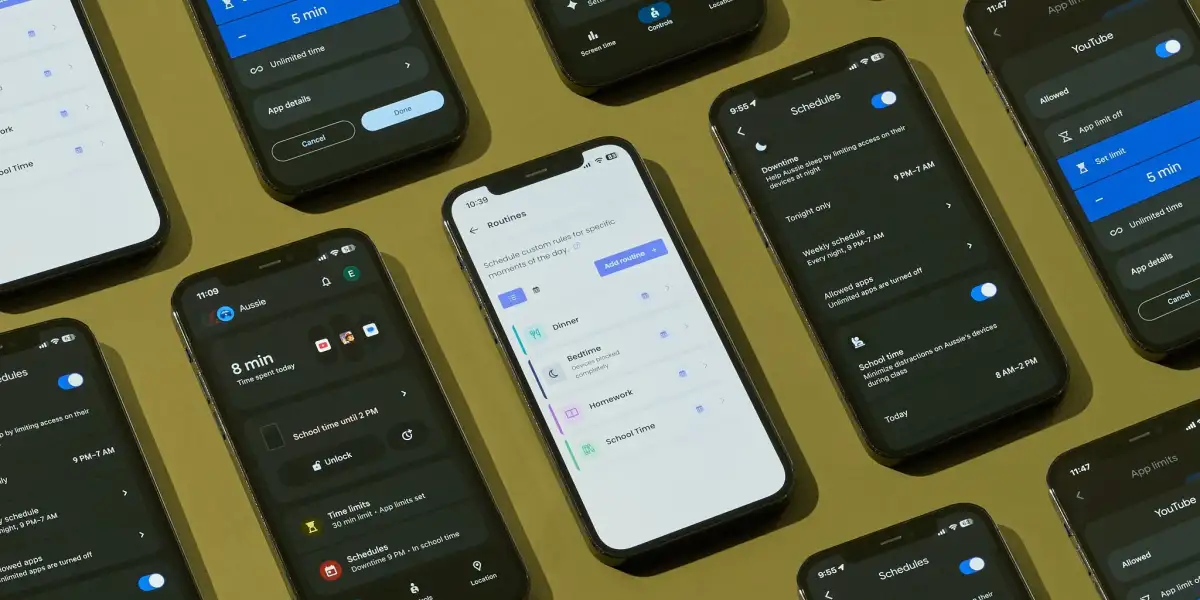
Beyond mere observation, smart home devices are being adopted for broader child safety, extending to monitoring activities from afar. This encompasses smart cameras and smart locks, which offer parents a degree of oversight and control, regardless of their physical location.
Data and Digital Intervention
The landscape of sleep assistance is also being shaped by data-driven tools. Sensors are available to detect motion, breathing, and sleep patterns, with some systems offering detailed sleep analysis. The concept of 'AI integration' suggests cribs that can learn and adapt to a baby's sleep rhythms, providing real-time tracking of vital signs and room conditions.
Read More: Summer reading prep helps kids start school better
Digital platforms are emerging to support parents with infant sleep and mental well-being. These tools aim to provide information, offer targeted night-time care support, and assist in managing infant sleep patterns. The discourse around these digital health tools intersects with discussions on internet safety, as evidenced by the proliferation of parental control apps and the use of artificial intelligence as a "parenting assistant."
Background Observations
The increasing entanglement of technology with parental routines reflects a broader trend, with discussions about digital health tools and parenting evolving. While some sources focus on practical applications like 'blackout smart shades' and audio-visual monitors, others delve into the more abstract possibilities of AI-powered parenting assistants and sleep pattern analysis. This integration, however, also raises implicit questions about the role of technology in fostering healthy parent-child dynamics and managing screen time, as indicated by the existence of resources on building healthy tech habits for youth.
Read More: BEREC Asks for Mobile Network API Ideas from Developers