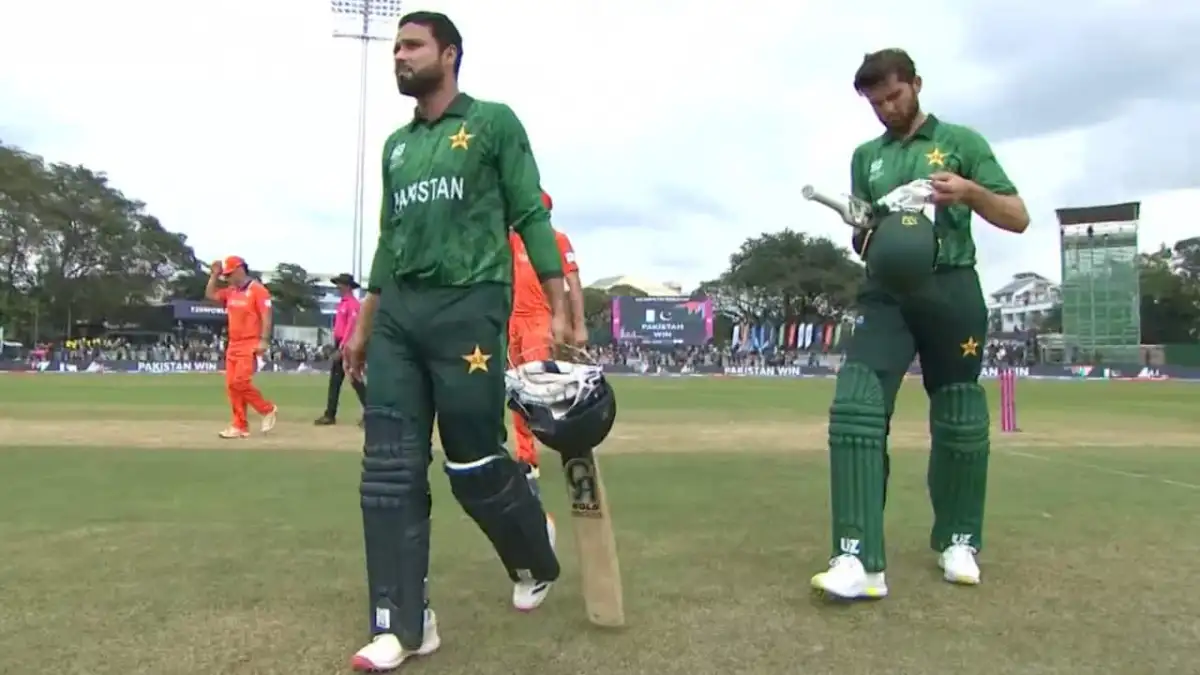
The roar of the crowd, the tension in the air, the sheer unpredictability of cricket – it all coalesced in Colombo as Pakistan, a team burdened with high expectations, narrowly escaped a monumental upset against the Netherlands in their T20 World Cup 2026 opener. What should have been a straightforward victory for a cricketing giant turned into a nail-biting affair, a stark reminder that in this format, minnows can indeed bite, and reputations offer no guarantees. This wasn't just a win; it was a survival, one that leaves more questions than answers for the Pakistani camp.
A Script Rife with Drama: From Expected Cruise to Hectic Chase
The narrative of this match was anything but linear. Pakistan, a perennial contender in T20 cricket, was expected to assert dominance from the outset against the Netherlands, a team often seen as an underdog. Yet, the match unfolded as a dramatic saga, showcasing both flashes of brilliance and alarming fragility from the Pakistani side.
Read More: Australia T20 Cricket Team Success Ignored by Media
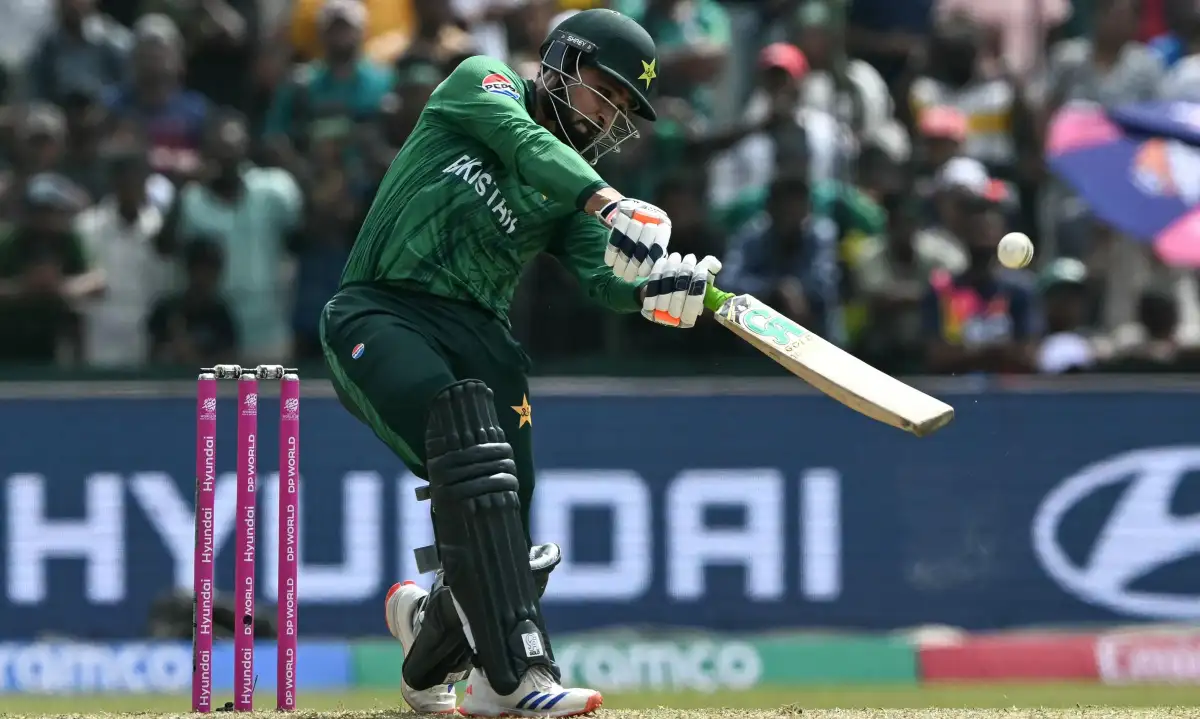
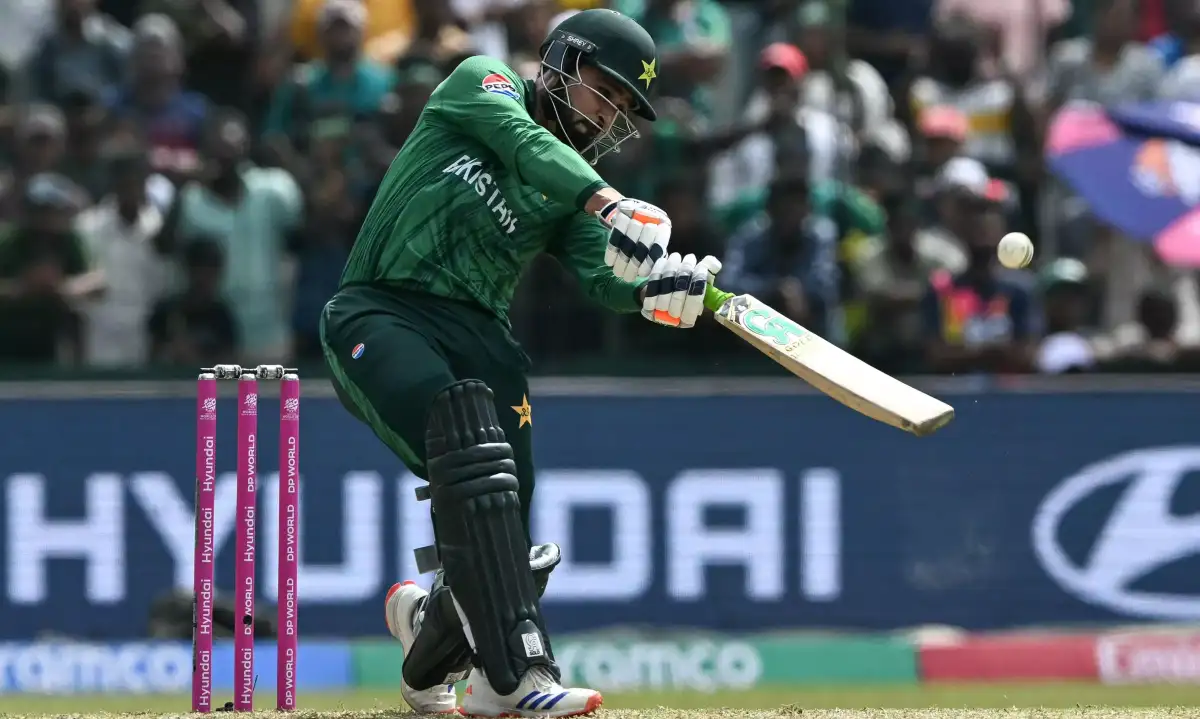
"Pakistan made an explosive start, with Saim Ayub hitting three boundaries off three balls." (SportsView)
This early burst from Saim Ayub suggested a smooth sailing for Pakistan. However, the tide quickly turned, revealing a familiar script of middle-order instability.
The Netherlands' Resilience: Despite a wobbly start for Pakistan, the Netherlands showed remarkable grit. They posted a competitive total of 147 runs, a score that, given Pakistan's chasing history, was far from insurmountable but certainly presented a challenge. Key performances included:
Scott Edwards: Top-scored with 37 runs off 29 balls. (Deccan Chronicle)
Bas de Leede: Contributed 30 runs. (New Kerala)
The Dutch bowlers managed to put Pakistan under immense pressure, exploiting their middle-order collapses.
Pakistan's Familiar Woes: The chase, which began with promise, soon devolved into a concerning pattern.
Pakistan's top order showed glimpses of form, but crucial wickets fell, pushing the team into a precarious position.
At one stage, the match was described as a "tense situation" (Deccan Chronicle), with Pakistan losing wickets in clusters.
A sensational upset seemed on the cards, a scenario that would have sent shockwaves through the tournament.
The Hero of the Hour: Just when defeat loomed, Faheem Ashraf emerged as the unlikely savior. His late-innings fireworks, particularly in the 19th over, proved decisive.
Ashraf's late hitting "helped Pakistan survive the scare and secure the win." (Deccan Chronicle, Moneycontrol)
He unleashed a flurry of boundaries, including multiple sixes, to steer Pakistan past the target. (News18)
Political Shadow Looms Over Pakistan's Campaign
Beyond the on-field drama, a significant off-field development casts a peculiar shadow over Pakistan's T20 World Cup journey. The team has already declared they will not play their arch-rivals, India, on February 15th, citing "government instructions." This decision, made before the tournament even commenced, injects an immediate element of pressure and complicates Pakistan's group stage equation.
"Pakistan have no margin for error in the group stages after saying they will not play arch-rivals India on February 15 on government instructions." (SportsView)
This statement is particularly noteworthy:
Group A Dynamics: Pakistan finds itself in Group A alongside India, the USA, and Namibia. (Firstpost) The absence of a fixture against a major opponent like India, especially if it affects potential points or net run rate calculations, raises significant questions about the tournament's fairness and Pakistan's path forward.
Pre-Tournament Stance: The early declaration of this stance suggests a complex geopolitical situation influencing sporting events. How this impacts team morale, strategic planning, and potential future engagements remains to be seen.
Implications for the Tournament: Does this set a precedent? What are the broader implications for international sporting bodies when political decisions directly impact scheduled fixtures?
The Bowling Brigade: A Mixed Bag of Performances
While the batting order stumbled and then recovered, Pakistan's bowlers had a mixed outing. The collective effort managed to restrict the Netherlands to a chaseable total, but the ease with which the Dutch scored at certain junctures warrants closer examination.
Key Wicket-Takers for Pakistan:
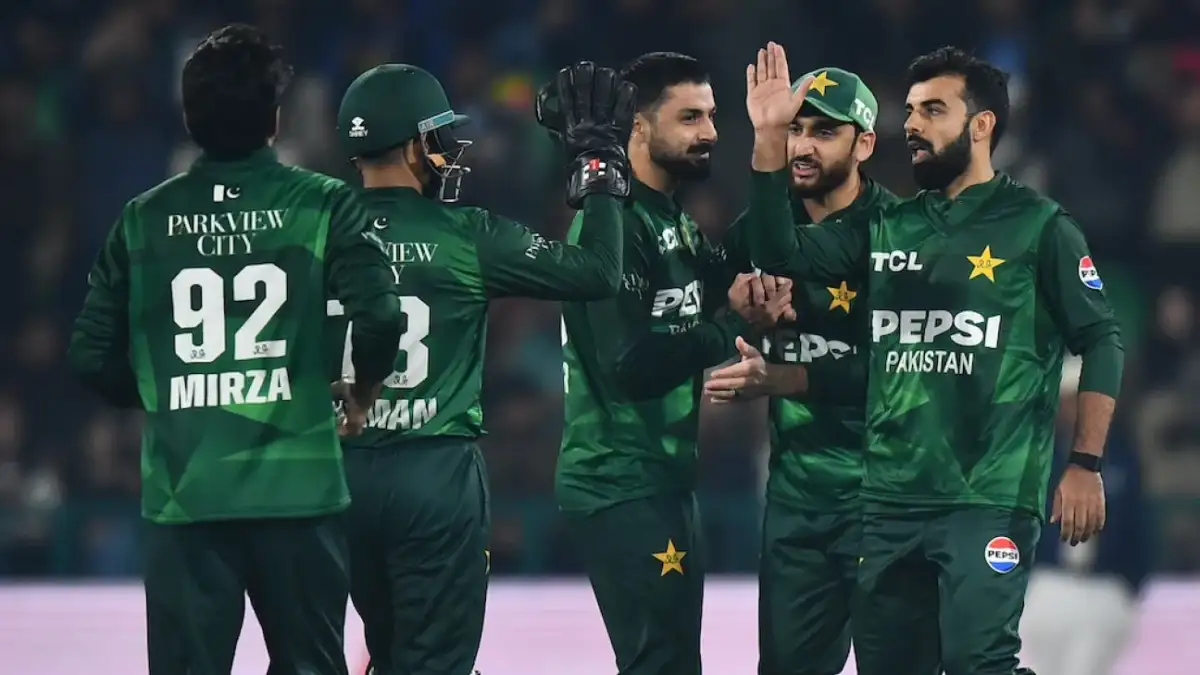
Salman Mirza: A standout performer, taking three wickets for 24 runs. (Deccan Chronicle, New Kerala) His spell was crucial in stemming the Dutch momentum.
Abrar Ahmed: Contributed two wickets for 23 runs. (New Kerala)
Mohammad Nawaz and Saim Ayub also chipped in with two scalps each. (SportsView)
Netherlands' Early Promise: The Dutch openers, Michael Levitt and Max O'Dowd, provided a brisk start, scoring 28 runs in the first three overs. (New Kerala) This early aggression suggests Pakistan's bowlers were under pressure and perhaps struggled to find their rhythm initially.
Bowling Specifics:
The Netherlands were at one point 98/3 before collapsing to 114/7, indicating periods of strong bowling pressure followed by lapses. (Deccan Chronicle)
Were the bowlers consistently hitting their lines and lengths?
How effectively did the spinners contain the Dutch middle order?
| Bowler (Pakistan) | Wickets | Runs Conceded | Economy Rate (Approx.) | Key Contribution |
|---|---|---|---|---|
| Salman Mirza | 3 | 24 | 7.20 | Crucial breakthroughs |
| Abrar Ahmed | 2 | 23 | 7.00 | Support bowling |
| Mohammad Nawaz | 2 | N/A | N/A | Middle overs |
| Saim Ayub | 2 | N/A | N/A | Early wickets |
(Note: Exact runs conceded and economy rates for Nawaz and Ayub were not explicitly detailed in the provided summaries, but their wicket count is noted.)
Read More: Kolkata Rain Could Stop India's T20 World Cup 2026 Semi-Final Dream vs West Indies
Critical Questions for Pakistan's Campaign
This opening victory, while secured, has opened a Pandora's Box of concerns for the Pakistani team and its followers. The performance against the Netherlands, a team not typically considered a top-tier rival, has amplified existing anxieties.
Middle-Order Vulnerability: The recurring pattern of a middle-order collapse is Pakistan's Achilles' heel. Why does the team repeatedly falter under pressure after a strong start or a solid platform? Are the players adequately prepared for different game situations?
Reliance on Late Heroics: While Faheem Ashraf's innings was spectacular, is it sustainable for Pakistan to rely on such last-ditch efforts for victories? A truly dominant team should be able to close out matches with greater control.
Impact of Political Stance: How will the decision not to play India affect the team's psychology and focus? Does this create an unnecessary distraction or a "us against the world" mentality? Will it impact their qualification path in any tangible way beyond the immediate fixture?
Bowling Consistency: Were the bowling lapses against the Netherlands a one-off, or indicative of a deeper issue? Against stronger batting lineups, such inconsistencies could prove fatal.
Player Roles and Execution: Were the batting and bowling strategies effectively executed? For instance, the Dutch went from 98/3 to 114/7; what specific tactics did Pakistan employ to induce this collapse, and were they consistently applied?
A Narrow Escape, A Lingering Uncertainty
Pakistan's three-wicket victory over the Netherlands in the T20 World Cup 2026 opener was less a statement of intent and more a grim reminder of their persistent frailties. The team flirted with disaster, saved only by the belated brilliance of Faheem Ashraf. This win, tainted by a near-upset and overshadowed by political imbroglio, offers little comfort.

The squad's composition, with players like Fakhar Zaman, Babar Azam, and Shaheen Afridi, suggests a team capable of far greater consistency. However, the evidence from this match points to a deep-seated issue with middle-order batting and a potential lack of control in high-pressure moments.
Read More: England Cricket Captaincy: Harry Brook Leads Race After Stokes Quits
The absence of a match against India on February 15th, mandated by government instructions, adds another layer of complexity. This decision places immediate pressure on Pakistan to perform in every other fixture, leaving no room for error in the group stages. It begs the question: how will this absence of a marquee fixture impact the team's overall campaign narrative and competitive spirit?
Moving forward, Pakistan must address its batting fragility and bowling consistency with an urgency that matches the stakes of a World Cup. Can they transform these near-misses into commanding performances, or will this opening scare be a harbinger of further struggles in the tournament? The path ahead for Pakistan is fraught with challenges, both on and off the pitch.
Sources:
SportsView: https://sportsview.co.uk/2026/02/t20-world-cup-2026-pakistan-beat-netherlands-by-three-wickets-in-colombo-thriller
The Financial Express: https://www.financialexpress.com/sports/cricket/pakistan-vs-netherlands-live-score-updates-scorecard-t20-world-cup-2026-colombo-weather/4134359/
Firstpost: https://www.firstpost.com/firstcricket/pakistan-vs-netherlands-live-score-t20-world-cup-2026-pak-vs-ned-scorecard-colombo-weather-liveblog-13977169.html
News18: https://www.news18.com/cricket/pak-vs-ned-t20-world-cup-2026-live-cricket-score-updates-pakistan-vs-netherlands-scorecard-timeline-liveblog-9885900.html
Moneycontrol: https://www.moneycontrol.com/sports/cricket/t20-world-cup-2026-pakistan-survive-a-scare-beat-netherlands-by-3-wickets-in-thriller-at-colombo-article-13816739.html
Deccan Chronicle: https://www.deccanchronicle.com/sports/t20-world-cup-pakistan-beat-netherlands-by-3-wickets-in-opener-1935608
CricketCountry: https://www.cricketcountry.com/series/icc-men-s-t20-world-cup-2026-209953/live-scores/pakistan-vs-netherlands-live-cricket-score-match-1-268054-commentary-innings-1.html
New Kerala: https://www.newkerala.com/news/a/t20-wc-salman-mirza-shines-as-pakistan-hold-189.html
ESPNCricinfo: https://www.espncricinfo.com/series/icc-men-s-t20-world-cup-2025-26-1502138/netherlands-vs-pakistan-1st-match-group-a-1512719/live-match-blog
Indian Express: https://www.indianexpress.com/article/sports/cricket/pak-vs-ned-t20-world-cup-2026-live-cricket-score-updates-pakistan-vs-netherlands-sinhalese-sports-club-10518158/

)