)
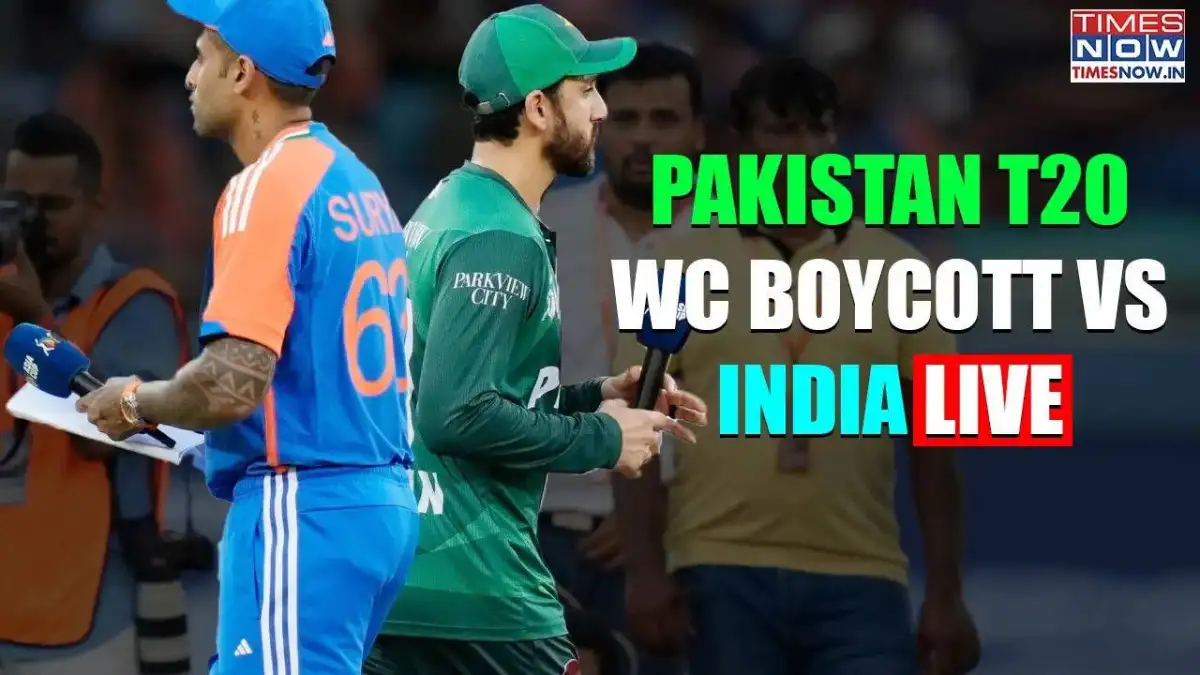
Cricket's biggest rivalry, India vs. Pakistan, has been thrown into turmoil. Pakistan's unexpected decision to boycott their group-stage match against India in the ICC Men's T20 World Cup 2026 has sent shockwaves through the cricketing world. While Pakistan claims this is a principled stand against perceived injustices, the BCCI and ICC are decrying it as a blow to sportsmanship, with whispers of sanctions and far-reaching consequences already circulating.
The tension is palpable. This isn't just about a single match; it's about the integrity of a global tournament, the financial might of cricket's governing bodies, and the deeply entrenched geopolitical rivalries that have long cast a shadow over sporting encounters between these two nations. Will this boycott become a rallying cry for Pakistan, or will it be seen as a reckless gamble that alienates fans and inflicts lasting damage on their own cricketing future? The ICC's response, and the subsequent actions of the Pakistan Cricket Board (PCB), will be crucial in shaping the narrative.
Read More: Australia T20 Cricket Team Success Ignored by Media
A History of Frosty Encounters and Political Play
The India-Pakistan cricket rivalry is legendary, marked by breathtaking contests and an intensity unmatched in the sport. However, the on-field battles have frequently been overshadowed by political tensions and off-field drama.
Past Boycotts and Standoffs: This isn't the first time cricket has been entangled with politics. In 2016, there were discussions and concerns regarding Pakistan's participation in the T20 World Cup hosted in India due to security concerns.
The Asia Cup Shadow: The seeds of this current controversy might have been sown earlier. Reports suggest Pakistan's discontent might stem from past issues, possibly related to the Asia Cup, where perceptions of unfair treatment or exclusion could have festered. The "Asia Cup handshake incident" is alluded to, suggesting a history of strained relations even in neutral venues.
Geopolitical Undercurrents: The decision to boycott has been framed by Pakistan as a "stand against Bangladesh's exclusion." This statement, made by the Pakistan Prime Minister, adds a layer of complexity, suggesting a broader regional political angle influencing cricket decisions. This move could be a strategic political statement, leveraging the cricket match to highlight other grievances.
The IOC's Watchful Eye: The International Olympic Committee (IOC) is reportedly keeping a close watch. Cricket's inclusion in the 2036 Olympics could be jeopardized if international sporting bodies are perceived to be engaging in politically motivated boycotts. The IOC's charter emphasizes good relations between nations, making Pakistan and Bangladesh's tensions a potential hurdle for India's Olympic bid.
BCCI and ICC Condemn the Boycott: A "Very Wrong Decision"
The Board of Control for Cricket in India (BCCI) has been swift and unequivocal in its condemnation of Pakistan's decision, branding it "very wrong" and "against the sportsmanship of any sport."
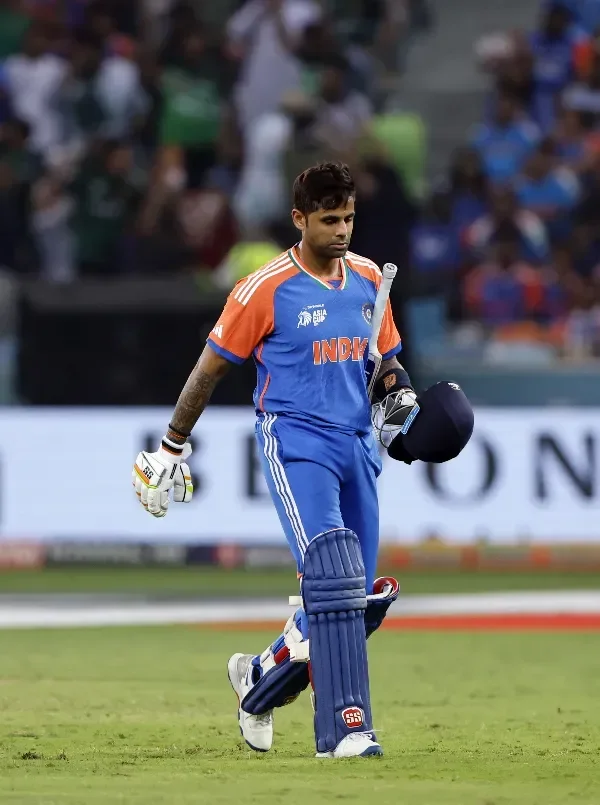
"BCCI on Thursday strongly criticised Pakistan’s decision to boycott their scheduled group-stage match against India at the ICC Men’s T20 World Cup 2026, calling the move 'against the sportsmanship of any sport.'" (Zee News)
The International Cricket Council (ICC) has also weighed in, issuing a stern warning to the Pakistan Cricket Board (PCB) about potential repercussions.
BCCI's Stance: The Indian cricket board is firmly aligned with the ICC. Joint Secretary of BCCI, Prabhtej Singh Bhatia, stated, "We can't discuss [punitive measures] here, but ICC is going to take decisive action for sure." (New Kerala)
ICC's Warning: BCCI Vice-President Rajeev Shukla explicitly endorsed the ICC's stance, saying, "We completely agree with the ICC." He added that the ICC has "issued a big statement" and that the BCCI "completely agrees" with the emphasis on sportsmanship. (Hindustan Times, Cricket Country)
The Walkover Scenario: Should Pakistan refuse to play, the match referee would likely award a walkover to India, granting them two points. However, this is not the end of the story. (NDTV)
What's at Stake: Beyond the 22 Yards
This boycott transcends a mere sporting fixture. The financial and reputational implications for both Pakistan and the global cricket ecosystem are significant.
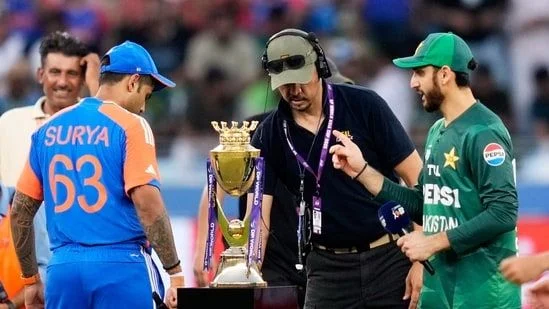
Financial Blow to PCB and ICC: The India-Pakistan match is a revenue-generating behemoth, drawing peak global viewership, attracting top-tier sponsorships, and contributing substantially to broadcast revenues. A boycott directly impacts these earnings. (Khaleej Times)
Sanctions and Future Bilateral Ties: Pakistan is risking "major sanctions" from the ICC. These could include financial penalties and potentially affect their future bilateral cricket engagements. (Hindustan Times)
Impact on the Tournament: The boycott injects an unwelcome layer of controversy into a major global event, potentially overshadowing the cricketing action itself.
Player Reactions: Despite the off-field turmoil, Indian players like Suryakumar Yadav insist their focus remains on cricket and that the team is fully prepared for any encounter. (Zee News, New Kerala)
The "Leverage" Gamble: Pakistan's Bold Move?
Former Pakistan cricketer Rashid Latif has openly supported the government's decision, framing it as a strategic use of "leverage" to send a message to the ICC.
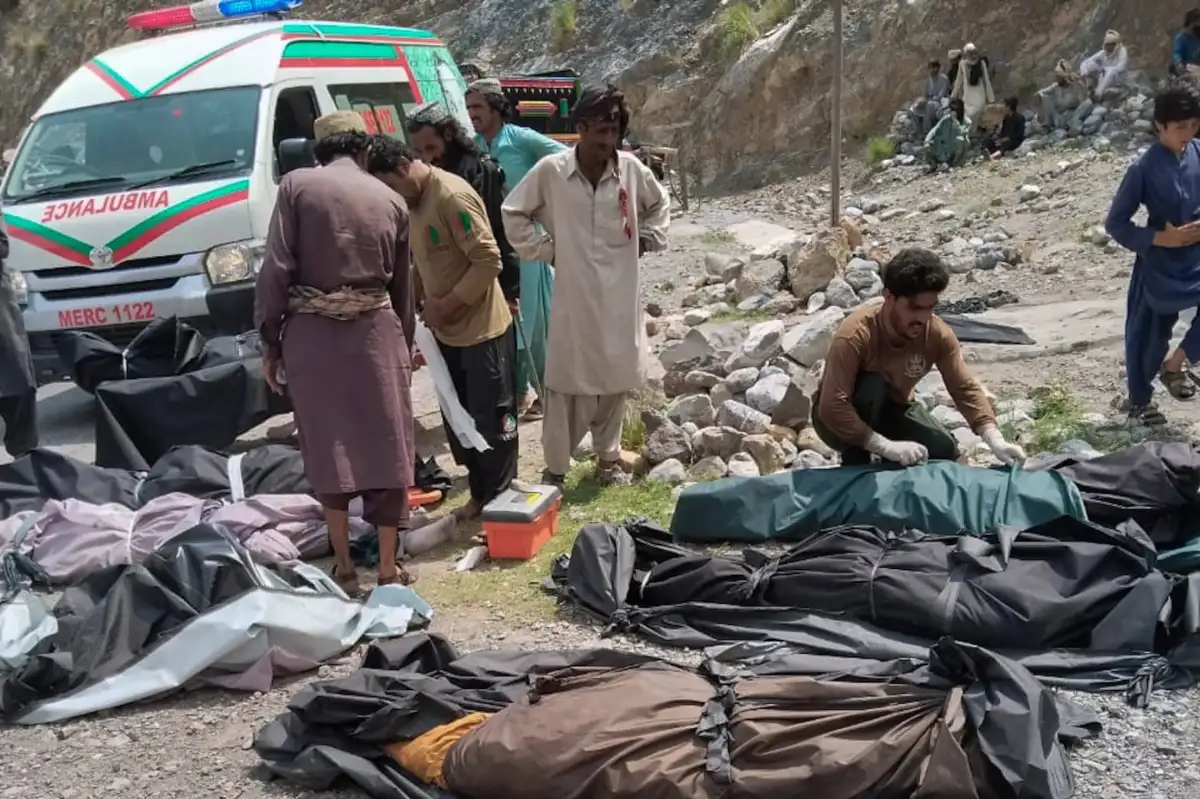
Read More: 40 Die in Quetta to Peshawar Bus Crash in Balochistan on April 3 2026
"Former Pakistan wicketkeeper Rashid Latif has backed his government’s bold move to send a message to the ICC… That was Pakistan’s leverage, and this time they used it.” (Khaleej Times)
This perspective suggests that Pakistan views this boycott not as a defeat, but as a calculated act of protest. However, the question remains: what message are they truly sending, and to whom?

Questioning Pakistan's Logic: Is this boycott truly about principles, or is it a politically motivated maneuver designed to gain concessions on other fronts? Why did the Pakistan Prime Minister speak out, linking the boycott to Bangladesh's exclusion? (Timesnownews)
The "Minnows" Taunt: One analyst, Sanjay Manjrekar, reportedly called Pakistan "minnows" in the context of the boycott controversy, suggesting a perceived decline in their cricketing stature or perhaps a provocative comment in response to the boycott. (Timesnownews)
"Political Posturing at Play?": The mention of "Political Posturing At Play" in live updates hints at the deep entanglement of national politics with this cricketing decision. (Timesnownews)
The Knockout Conundrum: What happens if the two teams are scheduled to meet in a crucial knockout stage later in the tournament? Will Pakistan maintain their boycott, or will the stakes force a change of heart? (Khaleej Times)
Unanswered Questions and Future Ramifications
The situation is fluid, and several critical questions remain unanswered, leaving the future of this India-Pakistan encounter and the broader cricketing landscape in a state of uncertainty.
ICC's Decisive Action: What specific "decisive action" will the ICC take? Will it be a slap on the wrist, a hefty fine, or something more severe that impacts Pakistan's participation or standing in future tournaments?
Pakistan's U-Turn Potential: Will Pakistan reconsider its stance? Some reports suggest R Ashwin is confident Pakistan will make a U-turn, but the current statements from Pakistan's leadership suggest otherwise. (Timesnownews)
The Bangladesh Factor: How will Bangladesh officially react to Pakistan framing their boycott partly on Bangladesh's behalf? Will this create further diplomatic ripples in the cricketing world?
Long-Term Impact on Cricket Diplomacy: Will this boycott set a precedent for other nations to use cricket as a political tool? And what does this mean for the future of bilateral cricket relations between India and Pakistan, which have already been strained for years?
The Economic Fallout: Beyond the immediate tournament, what is the long-term economic impact on the PCB and the wider cricketing economy that thrives on the India-Pakistan rivalry?
The ICC's leadership, including its Chairman and CEO, are reportedly in Milan, possibly discussing these critical developments. (Timesnownews) Their pronouncements and the subsequent actions of the PCB will be pivotal. This saga is far from over, and its resolution will undoubtedly leave an indelible mark on the history of cricket.
Sources:
BCCI calls Pakistan’s India match boycott ‘Very Wrong’, expects ICC action - https://zeenews.india.com/cricket/bcci-calls-pakistan-s-india-match-boycott-very-wrong-expects-icc-action-3014257.html (Published: 40 minutes ago)
India vs Pakistan T20 World Cup Boycott Controversy Live Updates: Sri Lanka Cricket Write To PCB; Urge Pakistan To Play India - https://www.timesnownews.com/sports/cricket/india-pakistan-t20-world-cup-2026-boycott-controversy-live-updates-icc-bcci-pcb-reaction-match-impact-liveblog-153547164 (Published: 13 hours ago)
Pakistan Boycotts India T20 WC Match, BCCI Seeks ICC Action - https://www.newkerala.com/news/a/icc-going-take-decisive-action-sure-bcci-joint-479.htm (Published: 8 hours ago)
BCCI's 1st Official Statement On Pakistan Boycotting T20 World Cup Match vs India - https://sports.ndtv.com/t20-world-cup-2026/bccis-1st-official-statement-on-pakistan-boycotting-t20-world-cup-match-vs-india-10931704 (Published: 3 days ago)
Exclusive: Why Pakistan's India boycott hits ICC and BCCI where it hurts - https://www.khaleejtimes.com/sports/cricket/exclusive-why-pakistans-india-boycott-hits-icc-and-bcci-where-it-hurts (Published: 4 days ago)
BCCI on the same page as ICC regarding Pakistan's T20 World Cup India match boycott: ‘We completely agree’ - https://www.hindustantimes.com/cricket/bcci-on-the-same-page-as-icc-regarding-pakistans-t20-world-cup-india-match-boycott-we-completely-agree-101770024665059.html (Published: 3 days ago)
BCCI fully endorses ICC's stern warning as Pakistan boycotts India clash in T20 World Cup 2026 - https://www.cricketcountry.com/news/rajeev-shukla-fully-endorses-icc-s-stern-warning-as-pakistan-boycotts-india-clash-in-t20-world-cup-2026-1324063/ (Published: 4 days ago)
BCCI keeps mum as Pakistan boycotts India clash at T20 World Cup 2026, awaits ICC talks - https://www.firstpost.com/firstcricket/bcci-keeps-mum-as-pakistan-boycotts-india-clash-at-t20-world-cup-2026-awaits-icc-talks-13975125.html (Published: 4 days ago)
ICC responds to Pakistan pulling out of T20 World Cup match against India - https://www.independent.co.uk/sport/cricket/india-pakistan-match-boycott-t20-world-cup-icc-b2911935.html (Published: 4 days ago)