

Sharpening Border Disputes and Accusations
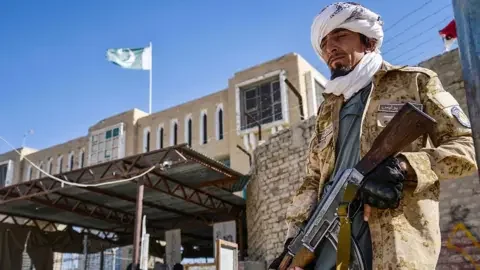
Recent weeks have seen a renewed intensity in border skirmishes between Pakistan and Afghanistan. Both nations are locked in a cycle of recrimination, each accusing the other of shattering a precarious peace. These aren't isolated incidents; sporadic fighting has become a grim rhythm, punctuated by Afghanistan's Taliban government alleging Pakistani airstrikes within its territory. Islamabad, meanwhile, continues its long-standing assertion that the ruling Taliban in Kabul offers sanctuary to armed groups orchestrating attacks on Pakistani soil. The Pakistan Taliban, also known as the Tehrik-e-Taliban Pakistan (TTP), have been implicated in a staggering 600 attacks against Pakistani forces over the past year, according to data compiled by the Armed Conflict Location & Event Data Project. The human toll is visible in the displacement of residents from Afghan border towns like Spin Boldak, situated along the sprawling 1,600-mile border.
Read More: Trump College Sports Meeting on NIL Rules and Future Changes in March 2024

The belligerence has escalated, with Pakistan's defense minister characterizing the latest clashes as indicative of 'open war'. Pakistan claims a significant toll on Afghan Taliban fighters, reporting 274 killed and 400 injured. Their information minister pointed to thwarted drone attacks launched from within Afghanistan, intercepted by Pakistani anti-drone systems. In stark contrast, the Taliban government claims to have inflicted substantial damage on Pakistani forces, reporting 55 Pakistani soldiers killed and others captured, along with the destruction of 19 Pakistani military posts.

Rivalry with India Simmers
Beyond the western frontier, the longstanding animosity with India remains a volatile undercurrent. A militant attack in Indian-administered Kashmir in early 2026 acted as a catalyst, triggering a sharp escalation. This led to exchanges of gunfire across the Line of Control (LoC) and a downgrading of diplomatic ties. India has pointed fingers at Pakistan, holding it responsible for harboring the militant group responsible for the attack and detaining individuals identified as suspects. The LoC has since become a daily theater of conflict. India’s military chief has publicly warned Pakistan to curtail alleged drone incursions, citing the discovery of weapons and ammunition purportedly dropped from such craft. Pakistan, in turn, has accused India of weaponizing water. The ongoing tensions have seen formal charges filed by India against Pakistan-based militant groups, linking them to an April attack in Kashmir that resulted in significant casualties and exacerbated regional instability. While there were moments where both nuclear-armed nations seemed to step back from the brink of war in 2025, with reports of Pakistan firing missiles at Indian positions and India launching attack drones, the underlying friction persists.
Read More: India criticizes Pakistan for Ramadan air strikes in Afghanistan

Navigating a Complex Geopolitical Landscape
Adding another layer of complexity to Pakistan's precarious position is its role in the escalating West Asia conflict, particularly its relationship with Iran and Saudi Arabia. The two Middle Eastern powers are locked in a regional rivalry, and Pakistan finds itself attempting to navigate this sensitive dynamic. The signing of a mutual defense agreement with Saudi Arabia in the previous year further complicates any notion of neutrality.
Read More: Trump and Adams Discuss National Guard for NYC Public Safety on February 1st
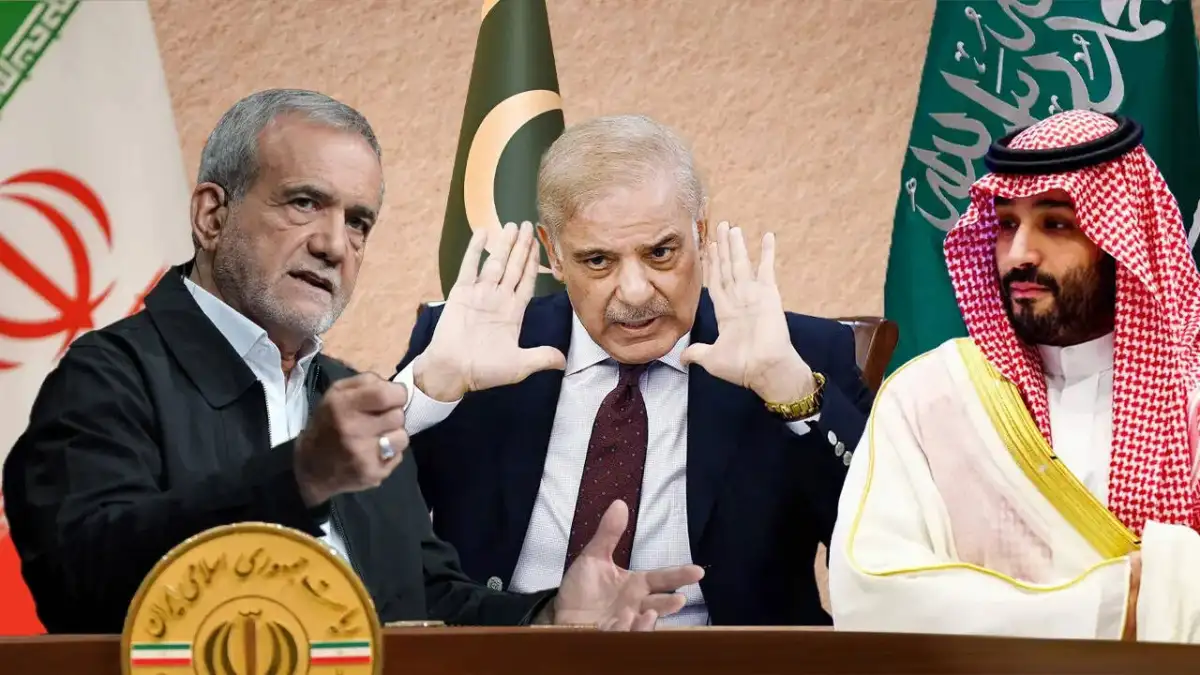
This regional entanglement is occurring against a backdrop of shifting global alliances. Pakistan's relationship with the United States has reportedly strengthened since Donald Trump's return to the White House. High-level interactions, such as Pakistani Army Chief Asim Munir's visit to Saudi Arabia for meetings with Defense Minister Prince Khalid bin Salman, underscore the diplomatic maneuvering underway. Pakistan shares a porous border with Iran, and significant trade ties exist between the two nations, adding a further dimension to the delicate balance Pakistan is attempting to maintain.
Background and Context
The conflict along the Afghanistan-Pakistan border is deeply rooted, with historical disputes over borders, particularly the significance of the Durand Line, a persistent source of friction. Pakistan's assertion of needing to secure its borders against militants it claims are harbored by Afghanistan has been a consistent theme. The situation is further complicated by the broader regional security environment, including the involvement of various militant groups and the evolving political landscape in Afghanistan following the Taliban's return to power.
Read More: Andhra Pradesh Hotels Face LPG Shortages Due to Geopolitical Tensions Affecting Iran Shipments
The exchange of fire and accusations between India and Pakistan is a recurring feature of their relationship, often stemming from incidents in Kashmir, a disputed territory that remains the core of their bilateral conflict. The involvement of militant groups and allegations of state-sponsored cross-border activities have frequently pushed the two nuclear powers to the edge.
Pakistan's position between Iran and Saudi Arabia reflects a broader regional struggle for influence in West Asia. The dynamics of this rivalry, coupled with shifts in major power relations, present a challenging diplomatic puzzle for Islamabad, forcing it to make difficult choices about alliances and neutrality. The mention of President Trump's potential influence suggests a foreign policy realignment, possibly impacting regional security dynamics.