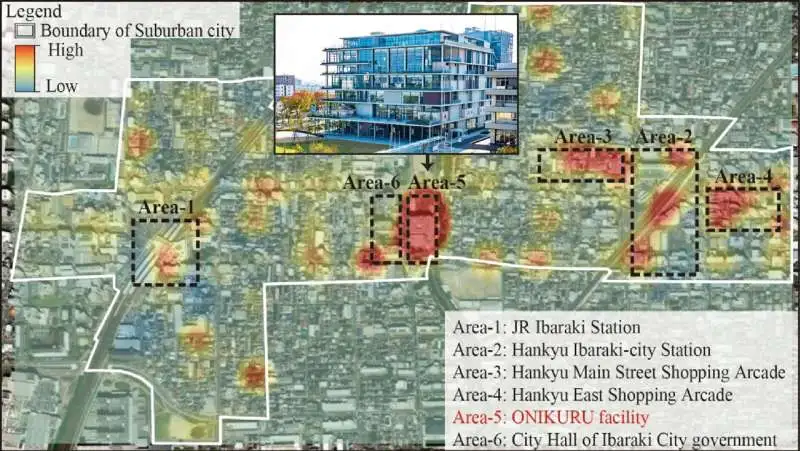
Osaka Metropolitan University researchers have put forth findings suggesting a multifunctional facility named ONIKURU in a Japanese suburban city center might be nudging people to spend more time locally. The study, leveraging high-resolution GPS data, indicates that individuals visiting ONIKURU stayed in the suburban city center about 0.471 more times per week compared to a control group, in the six weeks following the facility's debut.
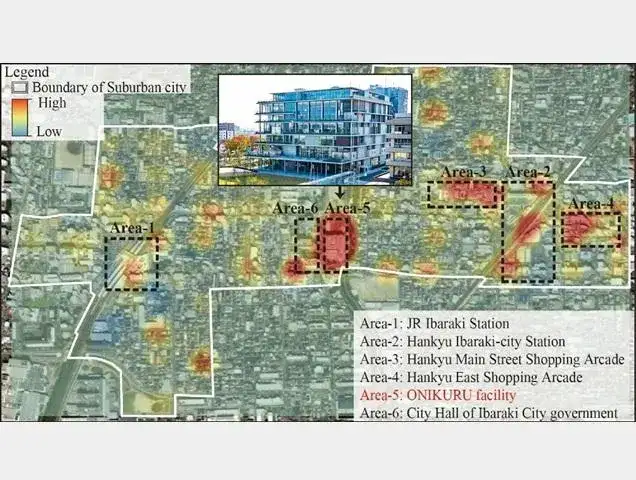
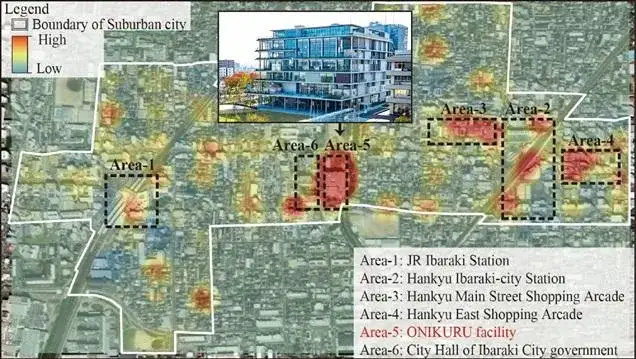
This observed shift, if sustained, offers a counter-narrative to the entrenched trend of residents migrating to outlying, car-centric shopping malls, a phenomenon chipping away at Japan's traditional urban cores. The researchers also noted a spatially selective effect: stay density appeared to increase near ONIKURU and adjacent commercial zones, while simultaneously dipping near another established station area.
THE PROMISE AND THE PRACTICE
Urban planners have long grappled with the decline of suburban city centers. The concept of "urban catalytic projects"—facilities designed to spark wider regeneration—has been a recurring strategy. ONIKURU, described as an "Ibaraki City Cultural and Childcare Complex," fits this mold. Its opening was intended to influence daily activity patterns.
Read More: Fleet Street Redevelopment Changes London Area for Residents

However, the empirical validation of such projects, particularly their capacity to reshape "stay behavior" beyond the immediate vicinity of the facility, has historically been elusive. This latest investigation, published recently, attempts to fill that void by mapping spatial changes in where people linger.
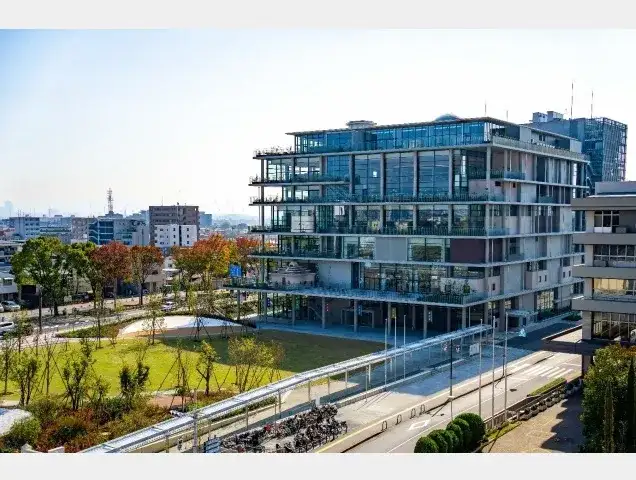
The research, with contributions from Haruka Kato of the Graduate School of Human Life and Ecology at Osaka Metropolitan University, draws on quasi-experimental methods. The findings were disseminated across various outlets in early July 2026, with initial reports surfacing approximately 23 hours prior to this compilation. Funding for related work was provided by the Japan Society for the Promotion of Science.