Canberra, ACT – Pauline Hanson's One Nation party has secured its first federal lower house seat, a seismic win in the regional electorate of Farrer. The victory, achieved in a by-election held this month, signals a significant shift in Australian politics, with established parties expressing concern and recalibrating their strategies.
The breakthrough in Farrer, a seat previously held by conservative parties for over 75 years, marks a critical moment for One Nation, demonstrating its growing national reach beyond state-level contests. This follows a notable performance at the South Australian state election, underscoring a nationwide surge in support for the party. Hanson herself has readily attributed policy shifts by major parties, such as the abandonment of a net-zero emissions target, to One Nation's influence.

Major Parties Re-evaluate Amidst Populist Tide
The implications of this win are already reverberating through the corridors of power. Liberal Party figures, like Shadow Treasurer Tim Wilson, have cautiously acknowledged the possibility of future engagement with One Nation, though this stance is not universally held within the party, with some, such as Senator Andrew Bragg, rejecting the idea of governing alongside them.
Read More: Albanese Government Faces Criticism Over Broken Promises
"There is a frustration, there is a malaise [in the community]."
This sentiment, often voiced by Hanson and echoed by observers, points to a broader disquiet fueling the populist movement. The party's leader, the 71-year-old Hanson, has for three decades been a controversial figure, often characterised by her strong views on immigration and provocative public actions. Yet, her current ascendancy coincides with a global trend of rightwing populism.

International Comparisons and Domestic Strategy
Hanson's rise has drawn international attention, with comparisons drawn to figures like Nigel Farage in the UK. Overseas media have highlighted Hanson's admiration for former US President Donald Trump, noting a shared populist rhetoric. Her candidate in Farrer, David Farley, successfully wrested the seat from Coalition control, a feat previously unthinkable for One Nation in a federal lower house election.
Read More: Sydney Homes Get Holiday Feel With New Decor
While Farage's approach is described as fostering a strategic movement, Hanson's style is seen as more reactive, often venting public sentiment. Nevertheless, her leadership, a mix of passion and protest, remains a central, albeit divisive, aspect of her political brand. Hanson has vowed to leverage this momentum to push for specific policies, including action on a "gas tax" and reduced immigration levels.
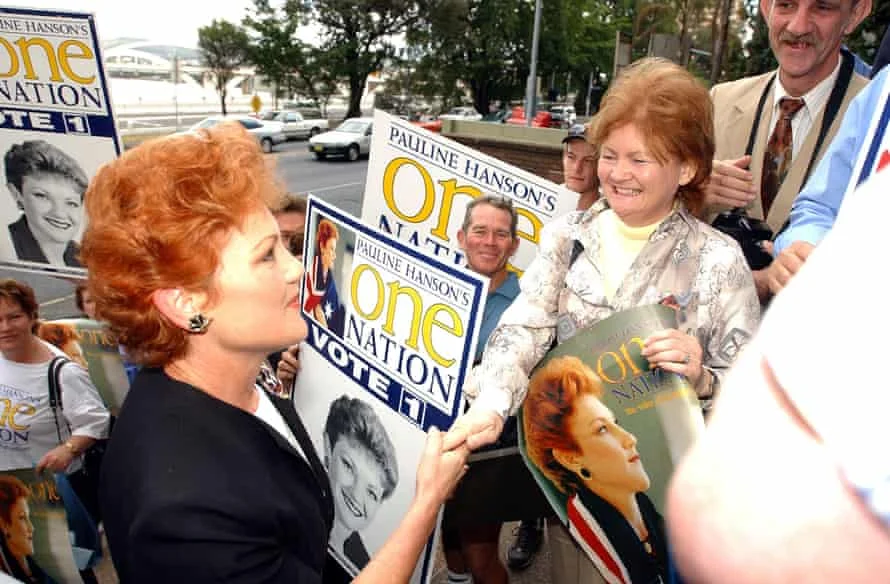
A Resurgent Force in a Shifting Climate
Hanson's political journey, spanning nearly thirty years, has been marked by periods of significant electoral success, internal party struggles, and even a temporary conviction for electoral fraud that was later overturned. Her current resurgence appears to be capitalizing on a complex mix of factors.
Economic anxieties plaguing the community.
Growing concerns surrounding immigration policies.
A widespread dissatisfaction with mainstream political parties and their perceived lack of vision for the nation's future.
This confluence of issues has created fertile ground for One Nation, placing pressure on both the governing Labor Party and the opposition Liberal-National Coalition. Both major blocs are reportedly adjusting their policy positions in an attempt to appeal to a segment of the electorate increasingly drawn to Hanson's message, aiming to reclaim conservative voters who have drifted towards her party.
Read More: Manipur Cabinet Expansion Delayed by BJP Central Leadership Approval