


Speaker Defends Actions Amidst Accusations of Muzzling Voices
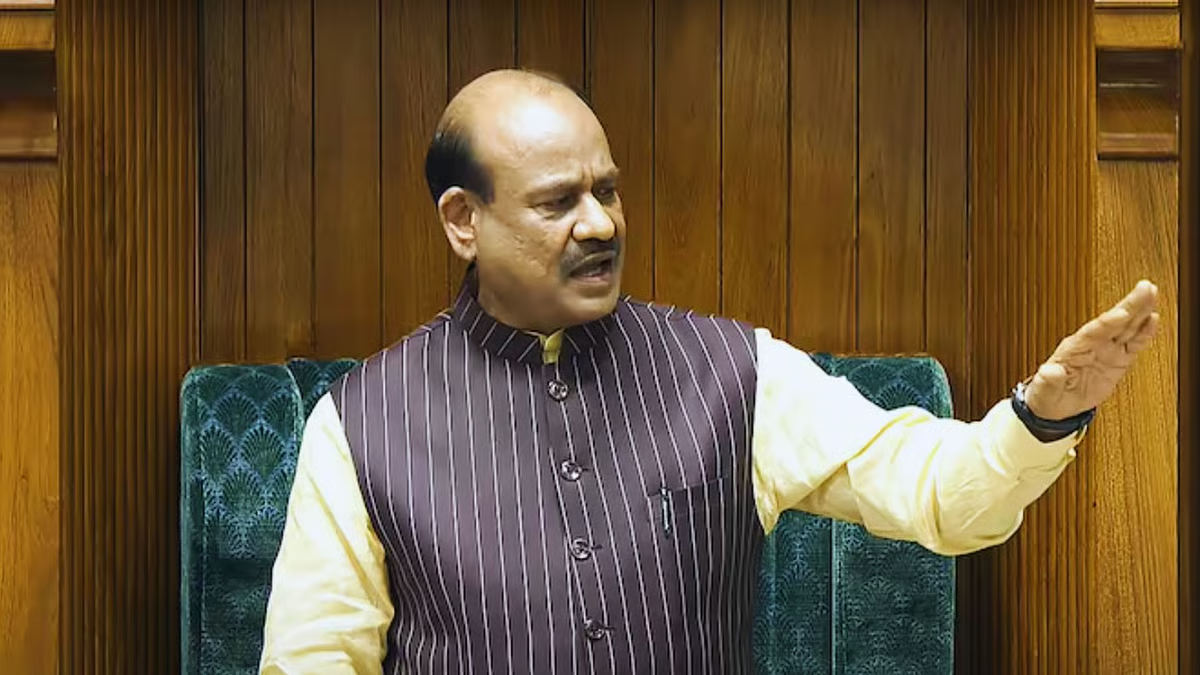
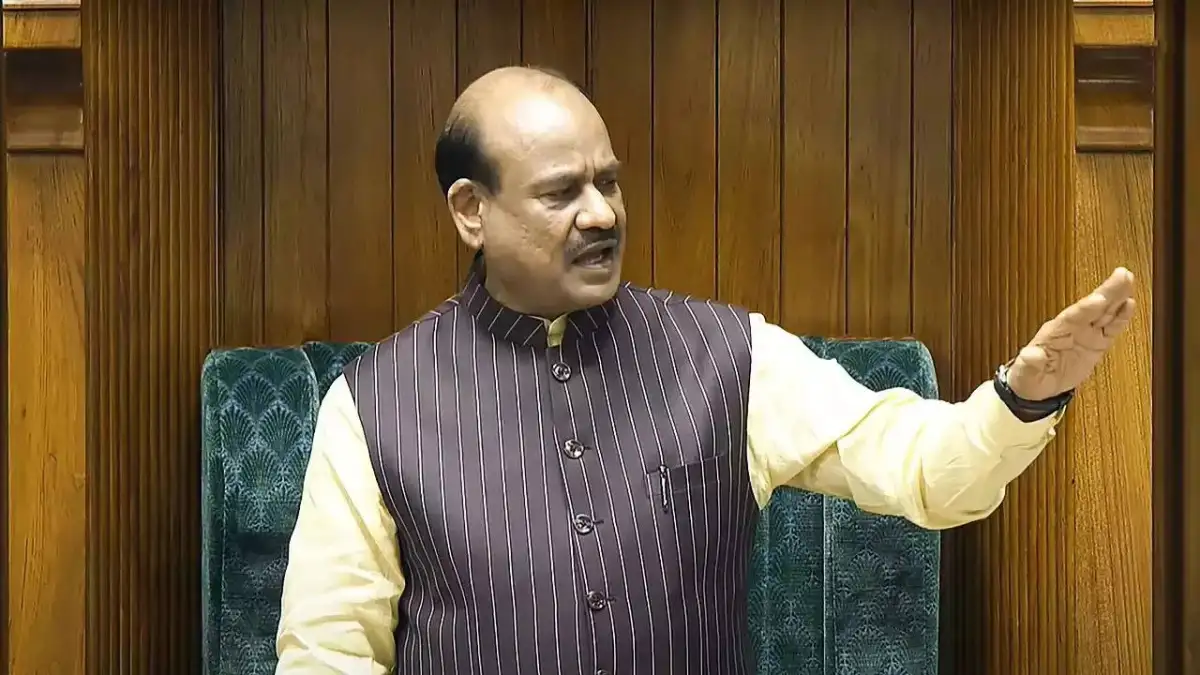
Lok Sabha Speaker Om Birla stated on Thursday that while every Member of Parliament possesses the right to speak, this prerogative is intrinsically bound by established rules. Birla's comments come in the wake of a no-confidence motion against him being defeated, and amid accusations from opposition figures, notably Congress MP Rahul Gandhi, that he was denied the opportunity to speak.

The Speaker asserted that over 12 hours of discussion transpired in the House recently, during which diverse viewpoints were articulated. He referenced Article 105 of the Constitution, which pertains to the freedom of speech within Parliament, emphasizing that this freedom operates within the confines of parliamentary regulations. "This is the essence of democracy: every voice is heard and every viewpoint holds value," Birla remarked, framing his position within democratic principles.
Rahul Gandhi, however, countered these assertions, alleging outside Parliament that the Speaker had "ran away and did not let me speak." Gandhi claimed that after remarks were made concerning him, the House was adjourned without affording him the chance to present his case. This exchange highlights a fundamental tension regarding procedural adherence and the perceived suppression of opposition arguments.
Read More: YSRCP 16th Formation Day: Jagan Reddy Says Party Built on Values and Credibility
Historical Context and Partisan Allegations
Previous instances suggest a pattern of friction. In June 2024, a resolution proposed by Birla to condemn the Emergency was characterized by some as a "shocking display of partisanship," with allegations that his decisions were influenced by his political affiliation. This period also saw the expulsion of MP Mahua Moitra. Critics argued that such actions signaled an intent to manage the Lok Sabha in a manner consistent with past partisan practices, irrespective of the ruling party's majority status.

Further complicating the parliamentary atmosphere, in March 2025, Birla adjourned the Lok Sabha proceedings due to MPs wearing T-shirts bearing slogans. He deemed this attire "not acceptable and against parliamentary rules and decorum," instructing the MPs to return in appropriate dress. This incident, while ostensibly about adherence to dress code, was interpreted by some as another instance of the Speaker enforcing rules in a manner that stifled protest.
Read More: President Murmu West Bengal Visit: Mayawati Cites Protocol Lapses
During his debut as Leader of the Opposition, Rahul Gandhi had previously expressed a willingness for cooperation, contingent on trust. He, along with allies like Akhilesh Yadav, had voiced expectations that the opposition's voices would not be silenced, referencing past mass suspensions of MPs. The underlying sentiment from the opposition appears to be a desire for a more inclusive and less strictly controlled parliamentary environment.
Background
The recent parliamentary session has been marked by significant debate and procedural challenges. Speaker Om Birla, serving in his capacity since 2019, has been central to managing the legislative agenda and maintaining order. The dynamics between the Speaker's office, the ruling establishment, and the opposition parties remain a crucial element in the functioning of India's parliamentary democracy. The debates surrounding rules, speech, and decorum reflect broader discussions about the nature and purpose of legislative discourse.
Read More: Bihar CM Nitish Kumar launches ₹781 crore projects during Samriddhi Yatra