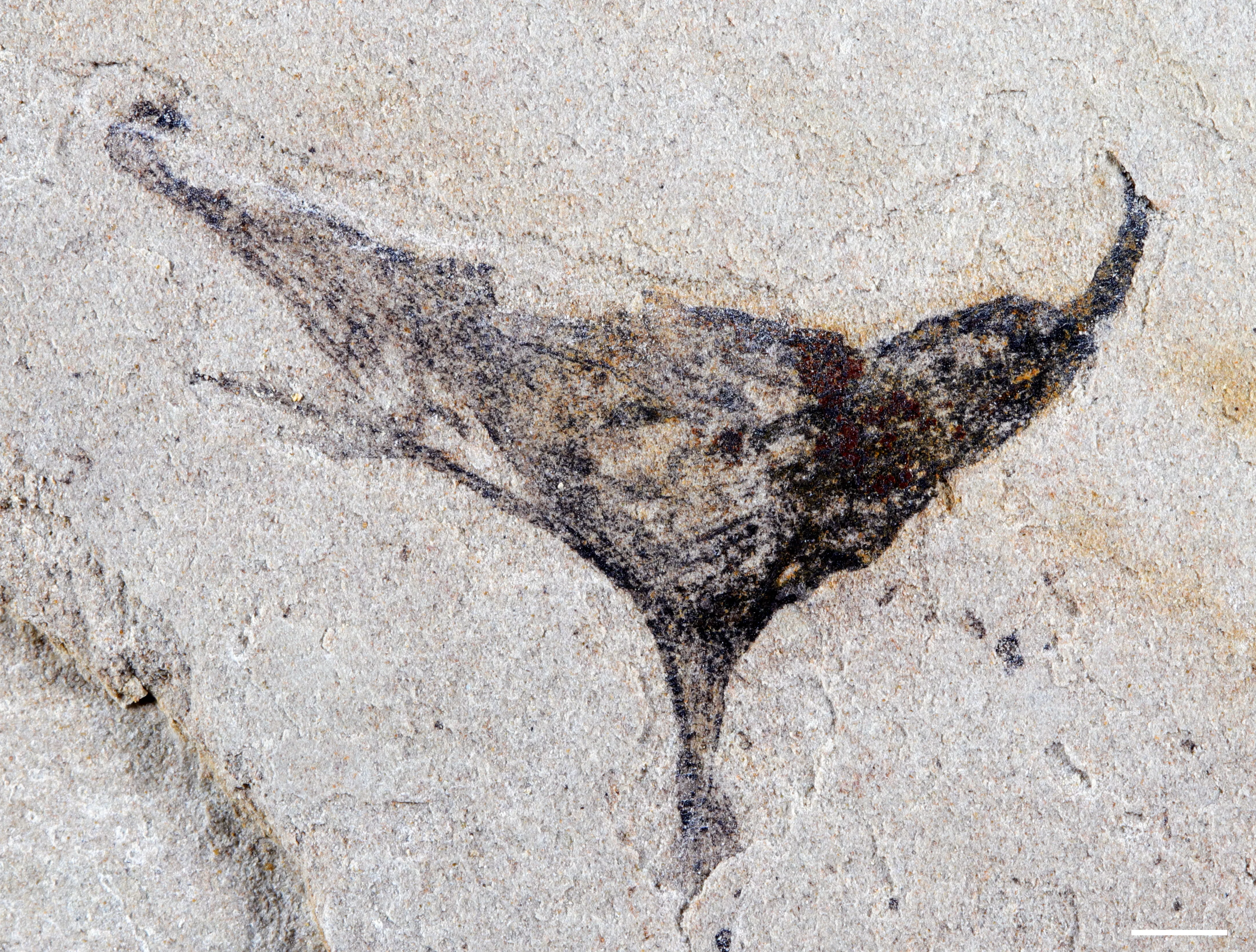
A microbe, frozen for 5,000 years, has been revived and exhibits resistance to numerous modern medicines, raising concerns about the enduring nature of antibiotic resistance and its potential future impact. This discovery comes as scientists work to understand and combat the growing global threat of bacteria that no longer respond to drugs designed to kill them. The resilience of this ancient organism, found in a remote icy environment, highlights a long-standing evolutionary battle between microbes and treatments meant to control them.
The presence of antibiotic resistance in such an old sample suggests that this is not solely a modern problem. Bacteria have developed ways to withstand these drugs for a very long time.
Discovery Location: The ancient superbug was found preserved in ice.
Age: The sample is approximately 5,000 years old.
Key Finding: The revived microbe is resistant to 10 different modern antibiotics.
Implication: This resistance is not a new development, but a trait that has persisted over millennia.
Ancient Organisms Revived from Ice
Scientists have a history of bringing long-dormant life forms back from icy environments. These efforts often aim to study past ecosystems and the biological characteristics of ancient organisms.
Read More: New Research Explains Paper Stiffness for Better Recycling in 2024
Permafrost Thaw: In one instance, a roundworm, frozen for 46,000 years in permafrost, was revived and began to reproduce.
Ancient Viruses: Researchers have also identified and revived viruses dating back up to 15,000 years from ice cores.
Siberian Discovery: More recently, in March, strains of viruses estimated to be 48,000 years old were found in the Siberian permafrost.
These discoveries demonstrate that life, even in microbial forms, can survive for vast periods when preserved in extreme cold.
The Long History of Antibiotic Resistance
While the widespread use of antibiotics in modern medicine is a primary driver of current resistance, the findings suggest that bacteria possessed such capabilities long before these drugs were invented.
Prehistoric Threat: Some research indicates that antibiotic-resistant bacteria, or superbugs, may date back hundreds of millions of years, to a time preceding the dinosaurs.
Evolutionary Advantage: The ability to resist antimicrobial compounds could have provided a survival advantage to bacteria throughout Earth's history.
Modern Challenge: The current issue is exacerbated by the overuse and misuse of antibiotics, which accelerates the evolution and spread of these resistant strains among human populations.
The discovery of a 5,000-year-old resistant microbe is a stark reminder of the deep evolutionary roots of this challenge.
Studying Ancient Microbes for Future Solutions
The revival of ancient bacteria from ice offers a unique window into the past and potential strategies for the future. By studying the genetic makeup and survival mechanisms of these organisms, scientists may gain insights into new ways to combat modern infections.
Understanding Mechanisms: Researchers can investigate how these ancient microbes developed and maintained resistance over thousands of years.
Identifying New Targets: The study of these pathogens might reveal novel pathways or weaknesses that current antibiotics do not exploit.
Developing New Treatments: Understanding the evolutionary history of resistance could inform the development of next-generation antimicrobial drugs or therapies.
This field of study is crucial for developing proactive measures against the ever-evolving threat of superbugs.
Expert Perspectives
Discussions surrounding ancient microbes and antibiotic resistance often involve experts in microbiology, paleontology, and infectious diseases.
Read More: New Cicada Covid Variant BA.3.2 Has 75 Mutations, May Evade Vaccines
"The fact that we're finding bacteria with pre-existing resistance genes in samples that are thousands of years old is significant," noted one researcher. "It suggests that antibiotic resistance is a natural evolutionary phenomenon that predates human intervention with antibiotics, though human actions have drastically amplified the problem."
Another commentator highlighted the dual nature of such discoveries: "While it's fascinating from a scientific standpoint, it also underscores the need for continued vigilance. These ancient microbes carry a genetic legacy that we need to understand, especially as the climate changes and permafrost thaws, potentially releasing more of these dormant organisms."
These insights emphasize that the challenge of antibiotic resistance is deeply embedded in the history of life on Earth.
Conclusion and Implications
The finding of a 5,000-year-old superbug resistant to 10 modern antibiotics provides compelling evidence that antibiotic resistance is a long-standing biological trait. This discovery shifts the understanding of superbugs from a purely modern crisis to an ancient evolutionary challenge.
Historical Context: It contextualizes current antibiotic resistance as an amplification of a natural phenomenon.
Future Preparedness: It highlights the importance of studying ancient microbes to understand the evolutionary pathways of resistance.
Urgent Need for Action: The resilience of this ancient organism reinforces the critical necessity for developing new antimicrobial strategies and implementing stricter controls on antibiotic use globally.
The implications extend to public health, suggesting that the battle against resistant bacteria is a marathon, not a sprint, and one that requires understanding its deep historical roots.
Sources:
Brave (World Economic Forum): Discusses the ancient history of superbugs dating back hundreds of millions of years and the threat of overuse of antibiotics.
https://www.weforum.org/stories/2017/05/450-million-years-old-and-still-going-strong-the-prehistoric-bacteria-that-just-won-t-die/
Business Insider: Reports on scientists reviving "zombie" bugs and viruses from ancient ice, including a roundworm from 46,000-year-old permafrost and viruses up to 15,000 years old.
https://www.businessinsider.com/scientists-revived-zombie-animals-bugs-viruses-ancient-ice-before-2023-7