


Global Markets Jitter as Strait of Hormuz Threatens Supply Lines
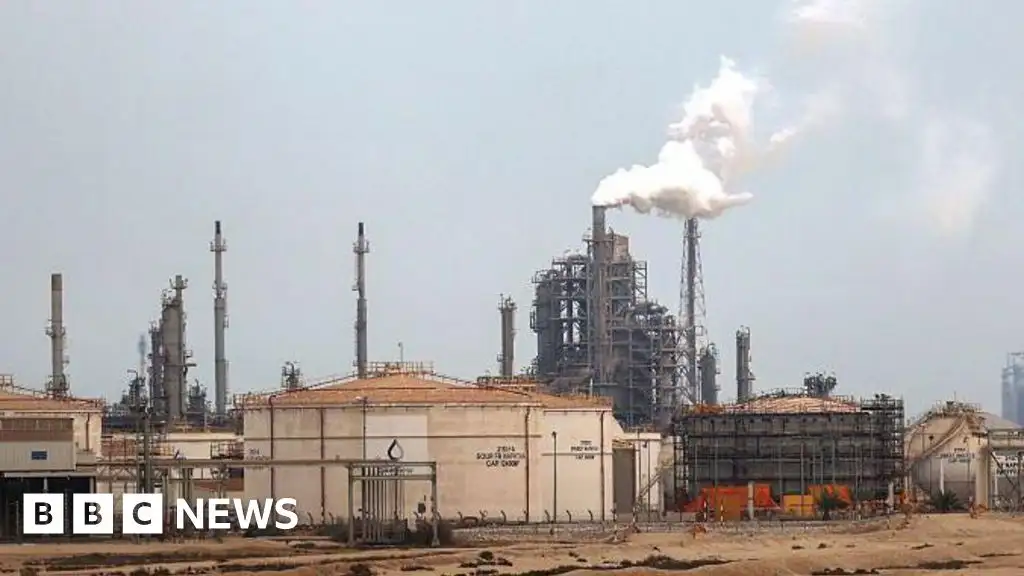
Global oil prices have escalated sharply, nearing a two-year high, as the ongoing conflict involving Iran casts a long shadow over vital energy supply routes. Warnings from Qatar's energy minister suggest that all Gulf oil and gas production could halt within days, a move that would significantly impact the global market. This precarious situation is amplified by the fact that approximately one-fifth of the world's daily oil supply is typically transported through the Strait of Hormuz.

Recent reports indicate that crude oil prices nearly touched $120 per barrel. President Donald Trump has stated that the U.S. is considering "seizing control" of the Strait of Hormuz. Energy Secretary Chris Wright has asserted that tanker traffic will only resume after the U.S. has neutralized Iran's ability to threaten vessels. The G7 finance ministers convened a virtual meeting to discuss the Iran conflict, with any potential release of strategic oil reserves contingent on a subsequent meeting of energy ministers.
Read More: Meghan Markle's As Ever Brand Leaves Netflix Partnership in London
Market Volatility and Strategic Responses
The immediate market reaction to these escalating tensions has been a price jump. Leon from Rystad Energy commented that if Gulf nations cannot export oil, they will be forced to store it, and when storage capacity is exhausted, production will cease. This scenario could leave these countries with only "days to a few weeks" before reaching that point, depending on their existing storage levels. The broader economic implications are considerable, affecting not just fuel costs for vehicles but also the price of heating, food, and imported goods.
While discussions about releasing strategic reserves are underway among G7 nations, any such action would follow an assessment by energy ministers. The ongoing uncertainty surrounding the Strait of Hormuz, a critical chokepoint for global oil transit, continues to fuel market speculation and price increases.
Read More: Middle East Tensions Raise Oil Prices Over $100, Affecting Global Economy

Background: A Volatile Energy Landscape
The Brent Crude Oil Spot Price, a key international benchmark, stood at $77.24 as of February 27, 2026. This represents an increase from $71.32 the previous market day and is higher than the $74.76 recorded a year ago. Historical data available from February 2026 and prior months illustrate the fluctuating nature of this price point, alongside related indicators such as the Average Crude Oil Spot Price, OPEC Crude Oil Production, and World Oil Consumption. The ongoing geopolitical situation in the Middle East directly intersects with these established market dynamics, creating a complex and unpredictable energy future.