

:max_bytes(150000):strip_icc()/GettyImages-2219597127-4f834c954b2c4e909a15170fbf10cef8.jpg)
OIL PRICES SOAR, THREATENING ECONOMIC STABILITY
Disruptions in the Middle East, specifically strikes impacting oil shipments through the Strait of Hormuz, have sent global oil prices surging. This escalation places considerable strain on household budgets worldwide, contributing to heightened inflation. Central banks are now presented with a difficult decision: either tolerate elevated energy-driven inflation or maintain higher interest rates, potentially further impeding economic growth. Analysts suggest that a swift resolution to the conflict, allowing for the resumption of exports, could help moderate energy prices.
"Global oil prices have spiked as the strikes on Iran disrupt shipments of the commodity through a key waterway."
ECONOMIC FALLOUT AND HOUSEHOLD IMPACT
The ramifications extend beyond energy markets. Rising crude prices directly translate to increased fuel costs, a significant driver of headline inflation. Economists warn that this situation amounts to "a tax on households," forcing consumers to curtail spending in other economic sectors. This presents a delicate moment for the global economy, with analysts highlighting the risk to overall global growth posed by these transit disruptions.
Read More: NetEase Stops Funding for 'Gang of Dragon' Game in May, Studio Seeks New Money
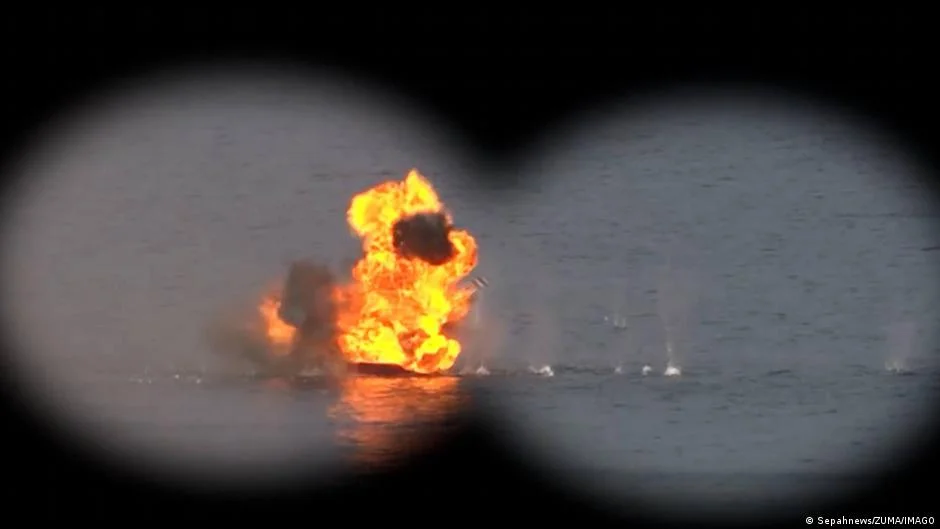
WHAT'S NEXT FOR OIL PRICES?
While the exact trajectory of oil prices remains uncertain, concerns are mounting that prices could exceed US$100 a barrel. The nature and duration of the regional conflict are key factors. A prolonged or expanded conflict would likely sustain upward pressure on prices, while a contained incident could see prices ease. Some analysts, however, note that even a significant price jump may not have a "profound impact" on inflation or central bank interest rate decisions, particularly if it signals a desire to avoid wider conflict.
"Analysts say disruptions to the passage of oil through the Strait of Hormuz pose a risk to global growth."
BACKGROUND TO THE UPHEAVAL
Recent events, including US attacks on Iranian facilities and retaliatory measures, have heightened geopolitical risks in the Middle East. The Strait of Hormuz, a critical chokepoint for global oil trade, is particularly vulnerable to these tensions. The situation is unfolding against a backdrop of an already fragile global economy, making any significant commodity price shock a cause for considerable concern. Efforts are underway to support communities dependent on fossil fuels, but the immediate focus remains on navigating the current price volatility and its economic consequences.
Read More: British Columbia Adopts Permanent Daylight Saving Time March 2026, US Debates