


Crude prices are soaring past the triple-digit mark, a significant escalation driven by persistent conflict in the Middle East. The price surge directly correlates with disruptions in production and shipping routes, particularly affecting key players like Iraq, Kuwait, and the UAE, who have reportedly scaled back output due to export difficulties. This marks the first time crude oil has breached this psychological threshold in nearly four years, echoing a period of similar price hikes in mid-2022.
The immediate consequence is a palpable shockwave across financial markets, with stock futures experiencing a significant downturn. This isn't merely a blip; analysts suggest continued upward pressure on oil prices could portend further trouble for equities. Consumers are already feeling the pinch at the pump, with gas prices climbing in tandem with crude oil costs. The situation is exacerbated by the closure of the Strait of Hormuz, a critical artery for global oil transport, currently impassable due to threats emanating from the ongoing conflict involving Iran, Israel, and the United States.

Global Efforts Underway to Stabilize Markets
International bodies are grappling with the fallout. Ministers from the G7 group convened to deliberate on a potential coordinated release of emergency oil reserves. While discussions are ongoing, a definitive decision has not yet been announced. The International Energy Agency is also reportedly part of these talks. Meanwhile, the White House is apparently focused on restocking munitions, indicating a sustained engagement in the conflict. The situation remains fluid, with traders closely monitoring the conflict's potential impact on production and exports from major Gulf producers.
Read More: Middle East Tensions Cause Gas Price Rises in South Korea and Japan
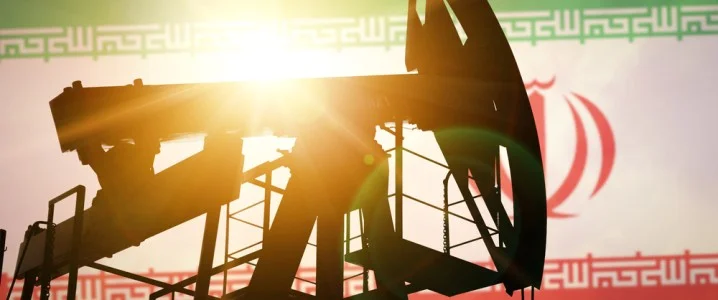
Production Woes and Storage Concerns
The ongoing conflict has crippled the ability of oil-producing nations in the region to store their output. Reports indicate that some of the world's top oil producers are facing storage limitations, leading them to cut production. This bottleneck, coupled with the closure of the Strait of Hormuz, creates a scenario where oil is abundant but cannot be effectively moved. The future trajectory of oil prices remains tied to the conflict's duration and intensity, with some analysts forecasting further increases in futures markets if the current standstill persists.
Read More: Iran Conflict Escalates, Stock Markets Drop 13% in South Korea

Escalation of Hostilities
The current price spike follows a weekend of dramatic escalation between Iran, Israel, and the United States. Reports detail attacks on energy infrastructure and military targets across the region, heightening fears of prolonged disruptions to oil flows from the Middle East. Specifically, Israel reportedly struck major fuel storage facilities near Tehran, while Iran has continued regional drone and missile launches. The conflict has also coincided with Iran's Assembly of Experts naming Ayatollah Mojtaba Khamenei as the country's new supreme leader.

Background:
The current oil price surge is inextricably linked to the escalating geopolitical tensions and military actions in the Middle East. The conflict, involving Iran, Israel, and the United States, has directly impacted crucial oil production and shipping infrastructure. The closure of the Strait of Hormuz, a vital chokepoint for global energy supplies, has compounded the problem, leading to a significant disruption in the flow of crude oil. This situation has not only sent shockwaves through financial markets, causing stock markets to tumble, but has also translated into higher prices for consumers at the gasoline pump. The market is keenly observing the actions of major oil-producing nations in the region, such as Iraq, Kuwait, and the UAE, as their production and export capabilities are directly affected by the ongoing conflict and the blockade of key shipping lanes. International responses, including potential coordinated releases of strategic oil reserves by the G7, are being considered to mitigate the immediate impact on global energy markets. The situation underscores the delicate balance between geopolitical stability and the world's reliance on consistent energy supplies.
Read More: Cooking Gas Delays Expected For Homes And Businesses In India From October 2024