


Prices for crude oil are spiking, rattling global financial markets and reviving concerns about inflation that could push it to three-year highs. This surge, linked to escalating conflict in the Middle East and potential disruptions to vital supply routes like the Strait of Hormuz, presents a difficult balancing act for central banks. They face a choice between tolerating higher energy-driven inflation or tightening monetary policy further, a move that risks stifling an already weakened economy.

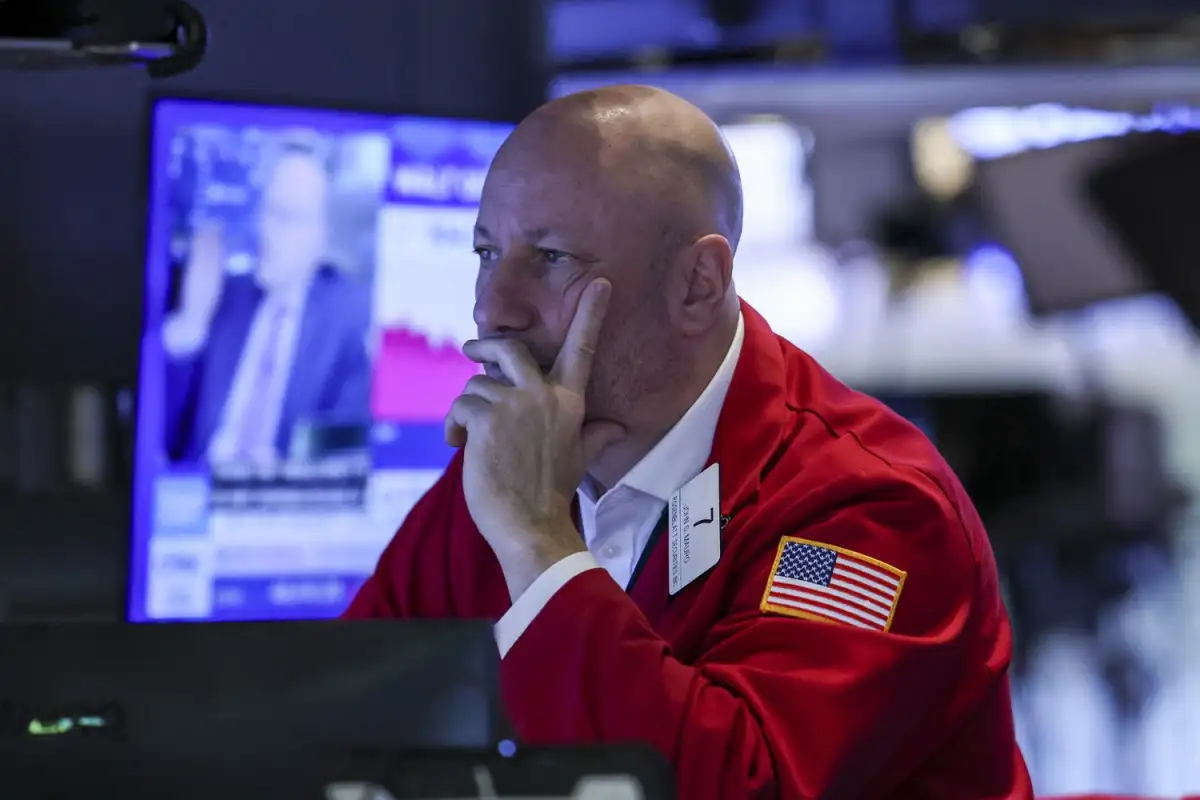
The immediate impact is visible in rising petrol prices for consumers and a palpable anxiety across stock markets. Major indexes, including the Dow Jones Industrial Average, have seen significant drops as investors react to the volatile oil market and the prospect of renewed price pressures. The jump in energy costs historically precedes broader inflation increases, fueling fears of a return to higher price levels seen a few years ago, even as some indicators suggest underlying inflation was already showing signs of firming.
Read More: Telangana Chief Minister Gives 2047 Vision Plan to Delaware Governor to Boost State Growth

Economic Crosscurrents
"While Oliver does not expect the bank to lift interest rates immediately, he said it would be worried that households and businesses would come to expect higher inflation."
Economists are divided on the long-term outlook. Some warn of 'stagflation' – a particularly troubling scenario where high inflation coexists with sluggish economic growth. Others, however, suggest that the oil price shock might ultimately curb consumer demand, leading to a swift decline in inflation. This latter view posits that the economy has seen similar situations before, where soaring oil prices paradoxically resulted in plummeting inflation.

The wholesale fuel market is also under scrutiny, with suggestions it may not be functioning optimally. This disruption, coupled with a slowdown in the US economy that carries higher inflation, is a significant concern for central banks worldwide, including the Reserve Bank.
Market Tremors and Household Squeeze
"Financial markets are again taking their cue from oil prices."
The renewed inflation fears are evident in market movements. Bonds are down, while inflation worries are up. Gold, often seen as a safe haven, has also seen a decline, a situation seemingly attributable to the volatile oil prices. This situation puts pressure on household budgets, as higher fuel costs directly impact consumer spending power.
Read More: Guardian's 20-Picture Gallery Format Continues into 2026
Background
The current unease stems from a confluence of geopolitical events in the Middle East, which have sent oil prices climbing sharply. The conflict's impact on the global economy is most immediately felt through these rising energy costs. The scale of disruption to traffic through crucial supply routes, such as the Strait of Hormuz, and the potential for direct attacks on energy infrastructure are key factors determining how high energy prices might go and how long this trend will persist.