Global stock markets are experiencing significant downturns, with indices across the US, Europe, and Asia plummeting. This widespread decline is directly correlated with a sharp surge in oil and gas prices, marking the largest weekly gain for oil since 2020. The conflict in the Middle East, particularly the US-Israel strikes on Iran, is identified as the primary driver, raising concerns about sustained energy supply disruptions and their inflationary impact.

US stocks saw substantial drops, with the Dow Jones Industrial Average enduring its worst week since April and October, respectively, and shedding nearly 800 points at one point. The S&P 500 also experienced its worst week since October. European markets mirrored this trend, with London’s FTSE 100 Index, Germany’s Dax, and France’s Cac 40 all recording significant losses.

The escalating oil prices are directly linked to fears of renewed inflation. This potential for increased inflation is causing apprehension among market participants and potentially influencing central bank policy. Specifically, the Federal Reserve might maintain high interest rates to counter inflationary pressures. UK government borrowing costs have also climbed due to these inflation anxieties.
Read More: FIFA World Cup 2026 Revenue Reaches $15 Billion With New Ticket Prices

Further compounding market jitters are weaker-than-expected jobs data from the US. This economic signal, combined with the energy price shock, is creating a climate of anxiety and volatility across financial landscapes.
Comments from US President Donald Trump, stating there would be no end to the conflict until an "unconditional surrender" of the Iranian regime, have further diminished hopes for a swift de-escalation.
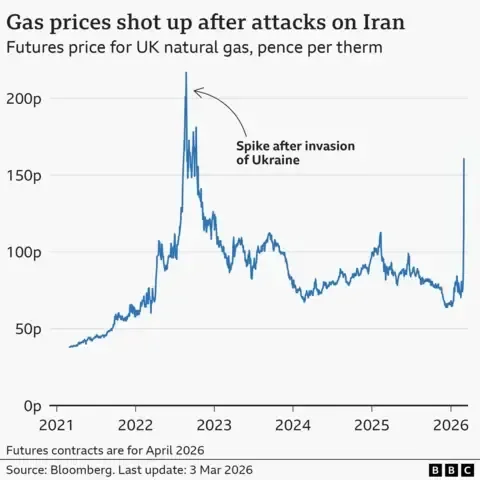
Oil prices have reached historic highs, with US crude oil seeing its largest weekly price jump on record. UK gas prices have doubled since the initial strikes and have risen above levels last seen a year after the start of the Ukraine war. These increases in energy costs extend beyond crude oil, impacting gasoline prices for consumers and raising transportation costs for oil.
The situation in Venezuela has also been cited in relation to energy prices, with administration officials suggesting that capturing its president and opening its economy would lower gas prices. However, oil companies have reportedly shown skepticism regarding investments in Venezuela.
Read More: Summer Solstice Approaches: Northern Hemisphere Gets Longer Days
The trajectory of global energy prices is now a significant determinant of market sentiment, with financial markets closely observing oil price movements. The ultimate impact on inflation and economic growth remains contingent on the duration and extent of the conflict.